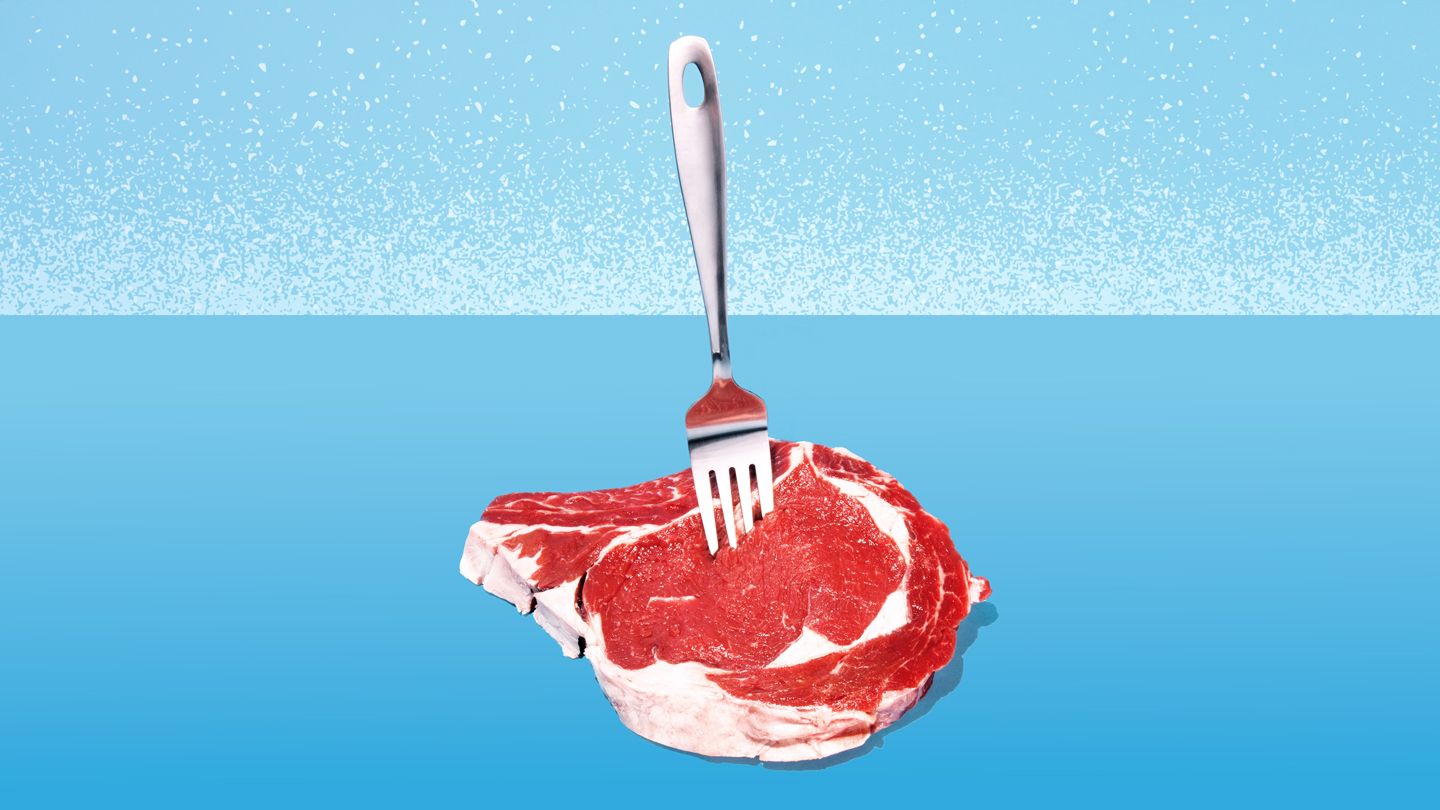
Look at the new U.S. food pyramid — the visual representation of the 2025–2030 Dietary Guidelines for Americans, released by Health Secretary Robert F. Kennedy Jr. and Agriculture Secretary Brooke Rollins — and you may be surprised to see a slab of steak and a pack of ground beef at the top.
[1]
For years, we’ve been hearing health authorities urging us to cut back on red meat. But the new guidelines say that, instead, we should prioritize red meat (along with other sources of animal protein such as poultry and eggs) as a “high-quality, nutrient-dense protein food” that belongs in a “healthy dietary pattern.”
[1]
[2]
So is red meat healthy or not?
“In nutrition, there is no one-size-fits-all answer,” says Samantha Coogan, RDN, director of the Didactic Program in Dietetics at the University of Nevada in Las Vegas. But she and other experts have some general thoughts on the benefits and drawbacks of red meat.
What Nutrients Are in Red Meat?Red meat includes beef, veal, pork, lamb, or goat. It is a good source of protein, registered dietitians say, because it is “complete,” meaning it contains all nine essential amino acids that the body requires to make protein.
[3]
Other nutrients in red meat vary by meat type, but most contain a variety, says Whitney Linsenmeyer, PhD, RD, a spokesperson for the Academy of Nutrition and Dietetics based in St. Louis.
These nutrients include:
[3]
Potential Health Benefits of Red Meat
As a complete protein source, red meat provides several benefits:
Supporting Muscles The protein in red meat can support muscle protein synthesis — that means it can help muscles grow, boost strength, and repair damaged muscle tissue following intense workouts.
[4]
Managing Hunger The high protein count is “hunger-crushing,” meaning it helps you feel full for longer, says Sarah McDougal, RD, an adjunct professor at the University of New Haven School of Health Sciences in West Haven, Connecticut.
Preventing Anemia Red meat contains heme iron, which is the type that your body most readily absorbs. “Iron is essential for heart and blood health [preventing anemia] and energy,” Coogan says.
Promoting Neurological Health Vitamin B12, which is predominantly found in animal products, is necessary for nerve function and red blood cell production, Coogan says. Vitamin B6 also supports nerve and red blood cell health and regulates blood sugar. B vitamins play a key role in brain health and help improve mood.
[5]
[6]
Additional Benefits The zinc in red meat supports immune health and cognitive function, Coogan says. As an antioxidant, selenium helps neutralize molecules called free radicals that can increase cancer risk.
“Red meat can benefit those with no underlying health conditions who are at low to no risk for developing heart disease, high cholesterol, and diabetes,” Coogan concludes.
Red Meat Risks and Drawbacks
Red meat has benefits, but it also poses risks.
Raising Heart Disease Risk The main downside of red meat is its high saturated fat content, McDougal says. Eating too much saturated fat can increase blood pressure, cholesterol, and blood sugar.
[2]
Research has linked saturated fat to increased cardiovascular disease risk. The Academy of Nutrition and Dietetics recommends reducing your intake of red and processed meat to lower this risk.
[7]
While the new guidelines list meat as a “healthy fat,” they recommend limiting saturated fat to 10 percent of one’s total daily calories — a number carried over from the previous guidelines.
[1]
A 4-ounce (oz) sirloin steak — a relatively lean cut and a modest serving about the size of a deck of playing cards — has about 7 grams of saturated fat, Dr. Linsenmeyer notes. This would provide about 3 percent of someone’s daily calories if they were eating 2,000 calories a day.
“Keep in mind that various foods, such as dairy, eggs, fried foods, and butter also contribute to saturated fat intake throughout the day,” she says.
The American Heart Association said in a recent statement that it’s “concerned” about the new guidelines, specifically that they could “inadvertently lead consumers to exceed recommended limits for sodium and saturated fats, which are primarily drivers of cardiovascular disease.”
[2]
Cancer Link The American Cancer Society lists red meat as a “probable carcinogen” and processed red meats (like bacon and deli meat) as a “known carcinogen,” and says these foods may increase the risk of breast, pancreatic, prostate, and stomach cancer.
[8]
Diets high in saturated fat have also been linked to an increased risk of colorectal cancer, McDougal says.
People with an increased risk (or a family history) of heart disease, high cholesterol, or colorectal cancer should pay close attention to their overall saturated fat intake, she adds.
Climate Harms The production of red meat has a significant environmental impact. Research has shown that livestock, particularly cattle, are a major driver of greenhouse gas emissions and contribute to climate change, which can threaten our collective health and the health of future generations.
[9]
Does the Kind of Red Meat or the Cooking Method Matter?
Certain forms of red meat and cooking methods can make eating meat riskier for your health:
Types of Red Meat Highest in Saturated Fat The red meat category includes lots of variety, and some types contain more saturated fat than others. For instance, pork belly, used to make bacon, is especially high in saturated fat, while beef tenderloin is lean, Linsenmeyer says.
Red meat cuts with more marbling have more saturated fat, Coogan adds, adding that processed meats, such as bacon, ham, sausages, hot dogs, and deli meat, are also high in saturated fat as well as sodium.
Riskier Cooking Methods Deep-frying and sauteing can add to the saturated fat content of red meat. Some high-heat methods, including grilling and broiling, may increase the risk of the compounds heterocyclic amines (HCAs) and polycyclic aromatic hydrocarbons (PAHs) forming, which may increase cancer risk, McDougal says.
[10]
How to Incorporate Red Meat Healthily
If you’re committed to eating red meat, here are some tips for making it a healthier part of your diet:
Limit portion size to 4 oz per serving.Strive to eat less than 18 oz of red meat per week total.Choose lean cuts, like tenderloin, sirloin, round, or flank, and ground beef that is 90 percent lean.Cook via braising or roasting.Trim any extra fat.Pair red meat with nutrient- and fiber-rich plant foods.
[10]
Your diet should incorporate a variety of lean protein sources, including poultry, fish, pork, eggs, and low-fat dairy products, as well as plant-based foods such as soy, quinoa, beans, nuts, and seeds, Coogan says.
Beyond protein, pay attention to foods that provide fiber and other nutrients, such as fruits, vegetables, and whole grains, McDougal says.
“But as a general rule, I believe it is important for all people to consider the overall quality of their diet and not get hung up on specific foods as being ‘good’ or ‘bad.’ All foods can fit,” she says.