Now more than ever, people are putting an emphasis on sleep and how crucial it is to get enough sleep at night for the sake of their health.
Sleep is something that can end up having a significant impact on your overall health and can contribute to health issues if you’re not getting enough of it. Struggling to lose weight? Perhaps you’re not getting enough sleep. Dealing with brain fog? Your brain might need more hours of rest at night. Because there are a lot of people out there who struggle to get a decent night’s sleep, they rely on supplements to help make it happen. However, not all supplements marketed towards sleep are effective. Using information from health experts, read more about three sleep supplements that are practically a waste of money below.

Struggling With Sleep? This Rechargeable Sound Machine Is A Total Game-Changer
Shutterstock
1. Melatonin Gummies
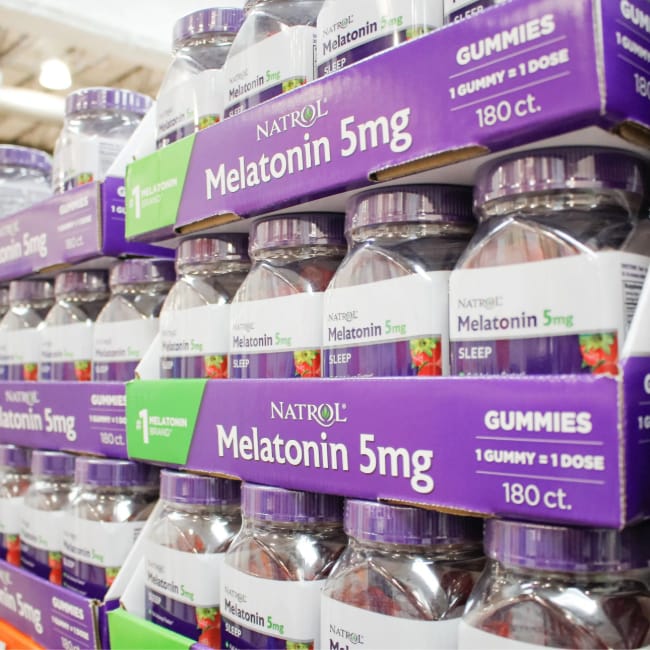
Melatonin is perhaps one of the most well-known supplements associated with sleep out there, and is used frequently by many people. There are a lot of brands that have created gummy versions of melatonin, but as it turns out, those versions can sometimes be quite ineffective.
“The dosages of melatonin gummies can vary significantly between different brands and products,” explains registered dietitian Trista Best, MPH, RD, LD. “Some gummies may contain higher or lower doses than what is actually needed to improve sleep, making it challenging to achieve a precise and effective dosage.”
Additionally, Best notes that some melatonin gummies can take a lot longer to set in than other versions of the supplement, like tablets or liquid drops.
“Melatonin gummies often take longer to take effect compared to other forms of melatonin, like sublingual tablets or liquid drops. This delayed onset may not align with the desired timing of sleep, leading to suboptimal results,” she adds. “The gummy form requires digestion, which can affect the absorption and bioavailability of melatonin, potentially reducing its effectiveness.”

Shutterstock
2. Chamomile Supplements
Chamomile tea is another super-popular product associated with sleep. It’s been known as a type of herbal tea that can naturally relax many people and help their bodies prepare for a deeper, more effective sleep at night. Still, be on the lookout for any chamomile supplements, as those aren’t always the most impactful and might not be worth buying from your local store or online ads.
“Chamomile supplements might not always be effective as a sleep aid because the potency and quality of chamomile extracts can vary between products, leading to inconsistent results,” says nutritionist Lisa Richards, CNC. “Individual responses to chamomile may differ due to factors such as metabolism, genetics, and overall health. Unlike chamomile tea, which delivers a warm and soothing experience, the concentrated form in supplements may not have the same calming effect.”
Shutterstock
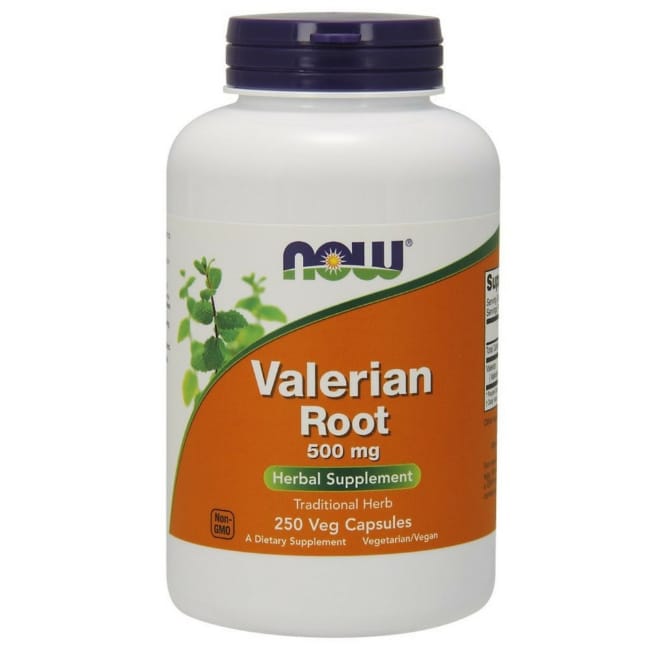
3. Valerian Root
If you’ve ever looked up supplements that work as an alternative to melatonin, valerian root has likely come up. Many people praise it for being a more ‘natural,’ herbal supplement, yet at the end of the day, numerous health experts have discovered it might not give you the deep sleep your body needs.
“Studies have not shown much benefit for sleep, and in fact, it may cause paradoxical stimulation rather than relaxation,” explains Dr. Wesley Buckle, ND. “This is the last thing that someone wants if they are having trouble sleeping.”