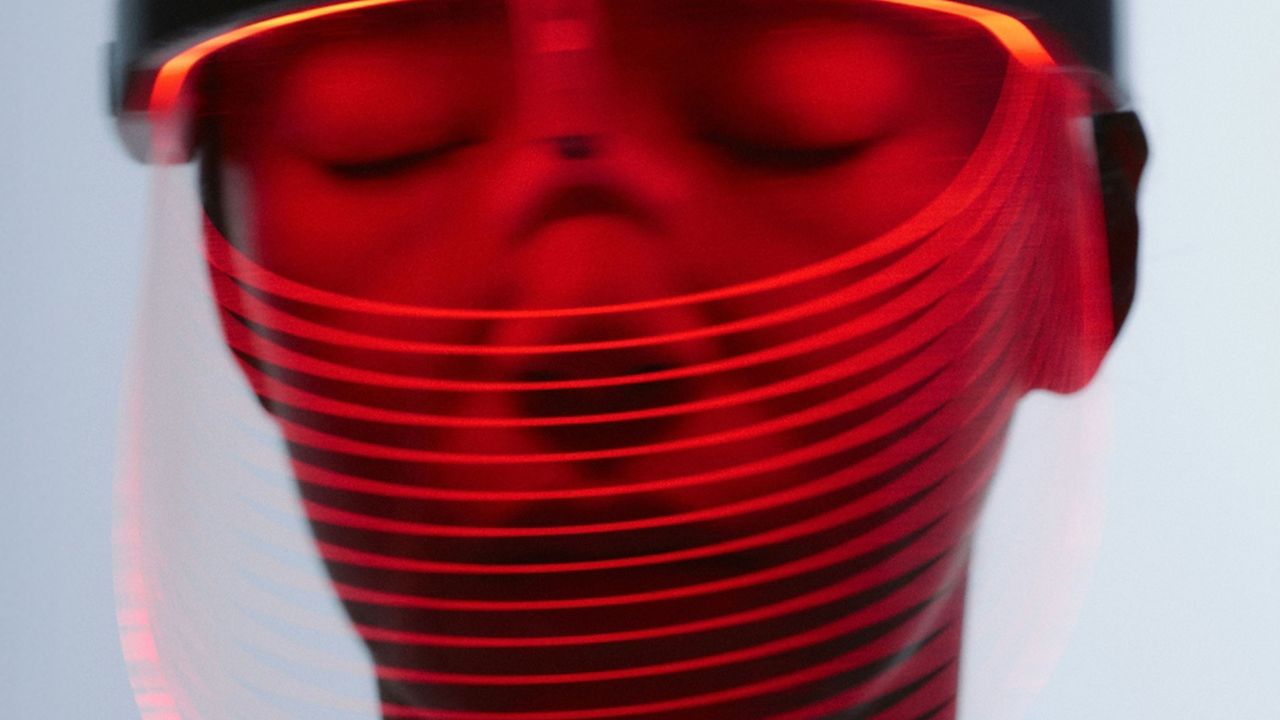
Beauty is seeing red — infrared.
Red light therapy is becoming a popular skincare solution, with promises to reduce inflammation, minimize acne and wrinkles, and boost collagen recovery. Saunas, fitness studios and facial clinics now offer red light sunbeds and therapy sessions. LED wands and face masks from brands like CurrentBody, Shark, Solawave, Vym, Monastery and FAQ have become the latest beauty accessory. It helps that the masks are perfect social media fodder: glowing red light selfies have appeared on feeds of celebs and influencers like Kourtney Kardashian and Bethenny Frankel. Solaris Labs NY is selling a baseball cap with built-in LED light therapy, designed to promote hair growth, with an unassuming “Out of Office” slogan across it. In the last four months, searches for “red light therapy” have surged by 123% on TikTok, according to the platform.
“The cultural and social aspect has had a huge impact on how red light has saturated skincare. TikTok, Instagram and YouTube have contributed to the hype. It’s something you can do at home to support either your existing skincare routine or an ancillary in addition to in-clinic treatments,” says Suzanne Scott, global beauty director at PR and strategy firm Seen Group. “Social entertainment has really helped make red light the main character in GRWM, evening routine content and even cleaning content.”
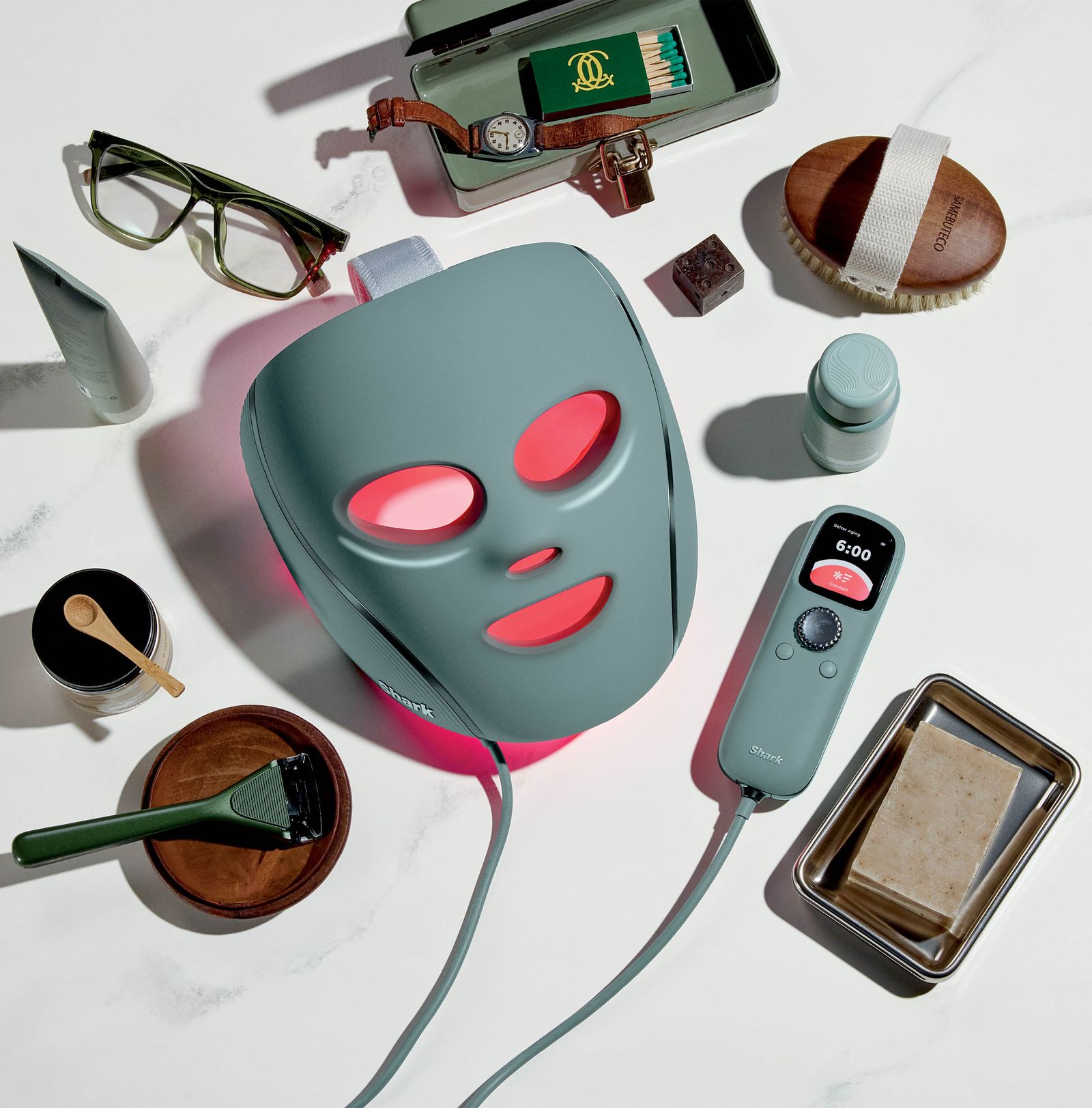
The Shark LED face mask. Photo: Courtesy of Shark
Even as red light therapy content trends online, practitioners say they see consumers drawn to it as part of a bigger-picture investment in longevity and holistic health, which sees people buying up products that promise to do more than act as a surface-level salve. “People are coming away from the chemical environment and back to understanding healing from within. People are much more aware of how their body works,” says Philippa Harvey, head of holistic health at SHA Wellness Clinic, which has locations in Spain and Mexico and has been practicing red light therapy since 2008.
The global light therapy market was worth $521.1 million in 2021, according to Allied Market Research, and by 2031, the market is expected to be worth $802.7 million. Gen Zs and millennials are driving demand for health devices and tech tools in their routines, according to McKinsey, but specialists say red light therapy spans generations. For many, it’s a pricey skincare habit: tools can exceed $1,000, and regular treatments at spas and fitness centers add up. But experts see the investment as part of the broader swing toward health consciousness and consumers being willing to spend more on wellness over other categories.
Beauty brands are working quickly to get in on the action. From specialized players like CurrentBody — which sells red light devices for face, hair, neck and décolletage, hands and more — to beauty giants like L’Oréal Group, which is rolling out its first red light tools next year. “This sustained engagement of using the mask daily to see the effects makes it much more than just a fad or a phase. Consumers are investing time into their skincare and wellness routines,” says Danielle Lessing, chief roadmap and innovation officer of product development at Shark, whose red light mask sells for $350 and has become a fixture in social media content.
Taking red light home
Laurence Newman, CEO and co-founder of The Beauty Tech Group, which owns CurrentBody, Ziip Beauty and Tria Laser, says red light therapy has become more popular as customers look for treatments that go deeper than the skin, but don’t require going under the knife. “The trend has been fueled by the rise of at-home beauty solutions during Covid, increased social media awareness, and the growing demand for non-invasive anti-aging treatments, even among younger consumers,” he says. The brand’s LED Light Therapy Mask was featured in the opening scene of season two of Emily in Paris. “These moments have helped us move red light therapy from a niche wellness tool to a mainstream skincare must-have,” says Newman.