Protein is everywhere, from cereal to bars, chips, and shakes. With so much emphasis on getting more protein, it’s fair to wonder if it’s possible to eat too much protein. The short answer is yes, but it depends on factors like your medical history, age, activity level, and the protein source. Most healthy people can consume high amounts without problems, but experts say consistently overdoing it can have downsides.
For people with healthy kidneys, higher protein intake is generally safe. The concern mainly
applies to people with existing kidney problems, because the kidneys filter waste products produced when protein is broken down.
“When your body is healthy, it will adjust to your renal functions. However, [if you have] chronic kidney disease, an increased intake of protein can hasten your progression of that condition,” Maude Bélanger, RD, told Health.
People with chronic kidney disease are often advised to limit protein to no more than 0.8 grams per kilogram of body weight per day, according to Dustin Moore, PhD, RD.
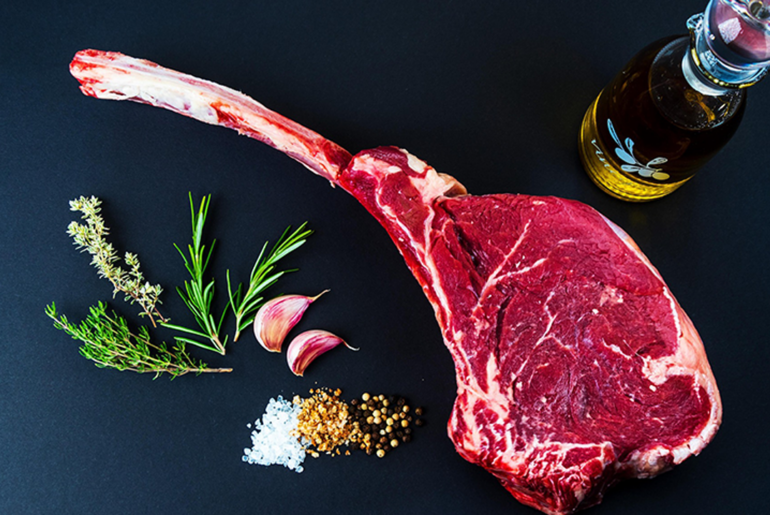
The type of protein source matters, too. Research suggests that high intakes of animal protein are more strongly associated with signs of kidney stress, whereas plant proteins appear to be easier on the kidneys.
High-protein diets, like very-low-carb or ketogenic diets, may be low in fiber-rich carbohydrates. Research suggests this shift can reduce gut microbiota diversity and beneficial bacteria that support digestion and reduce inflammation.
According to Bélanger, very high protein intake could contribute to constipation, bloating, or feelings of fullness, especially in people with digestive conditions like irritable bowel syndrome (IBS).
“It’s about balance,” Bélanger said. “When fruits, vegetables, legumes, and whole grains are minimized, gut health often suffers.”
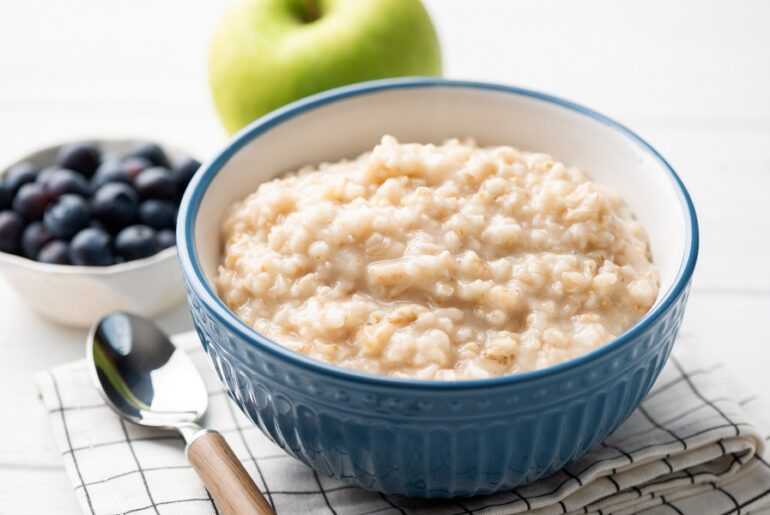
Registered dietitian Doug Cook, RD, told Health that while animal foods are nutrient-dense, high-protein diets with a low-carb focus may crowd out fruits, vegetables, nuts, seeds, legumes, and whole grains—foods rich in fiber, prebiotics, antioxidants, and phytonutrients with health benefits.
“Protein is one of the three major macronutrients that provide our body with building blocks to repair and strengthen tissue,” said Moore. “However, when animal protein dominates the plate, we often see low intakes of fiber, vitamin C, folate, magnesium, and plant-based antioxidants,” explained Moore.
The type of protein may be just as important as the amount of protein. Diets high in animal protein have been associated with a higher risk of end-stage kidney disease and higher all-cause and cardiovascular mortality.
In contrast, higher intake of plant protein appears protective, according to Jennifer Pallian, BSc, RD. “Replacing animal protein—particularly processed red meat—with plant protein is consistently associated with better long-term health,” she said.
Cook notes that people with high blood pressure, diabetes, or obesity may be more affected by high-protein diets that rely heavily on animal foods. Some animal proteins contain higher levels of the amino acid methionine, which can raise blood homocysteine levels. When homocysteine remains elevated over time, it may harm blood vessels and cardiovascular health.
A very high-protein diet, particularly one high in animal foods, can increase the risk of kidney stones, especially for people with a history of these conditions or those who don’t drink enough water.
Melanie Betz, MS, RD, CSR, FNKF, FAND, founder of The Kidney Dietitian, explains that meat-heavy diets can lower urine pH, reduce citrate, and increase urine calcium—all factors that raise kidney stone risk. “A meta-analysis found that people who ate the most meat had about a 20% higher risk of kidney stones,” she told Health.
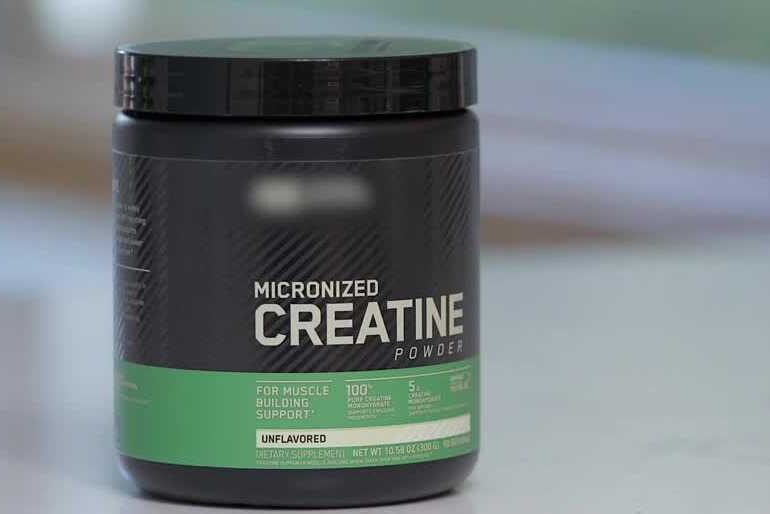
Protein supplements can help people who struggle to meet their protein needs solely through food, especially those with higher protein requirements. But relying too often on powders and bars, or using multiple products daily, can create problems.
“Protein powders and bars can do more harm than good when they’re poorly formulated or overused,” Kathryn Durston, RDN, owner of Naturally Good Nutrition, told Health. “Many of them contain additives and sugar alcohols that can cause digestive issues, and inconsistent quality issues mean you aren’t always getting what the label promises.”
Look for high-quality options, use protein powders and bars as supplements, and prioritize whole-food protein sources whenever possible.
If you don’t have kidney disease or another health condition that requires limiting protein, you likely don’t need to worry about higher protein intake when it’s paired with other healthy foods.
“For healthy, active adults and adults who want to support healthy aging, protein intakes in the 1 to 1.6 grams per kilogram of bodyweight are a great target and reasonable,” said Cook. “Intakes up to 2 grams per kilogram of bodyweight are also safe when other foods aren’t displaced.”
However, intakes above 2-2.5 grams per kilogram of bodyweight tend to yield diminishing returns, according to Cook, and may increase risk in certain populations, especially when diets are high in animal protein at the expense of fiber-rich plant foods.