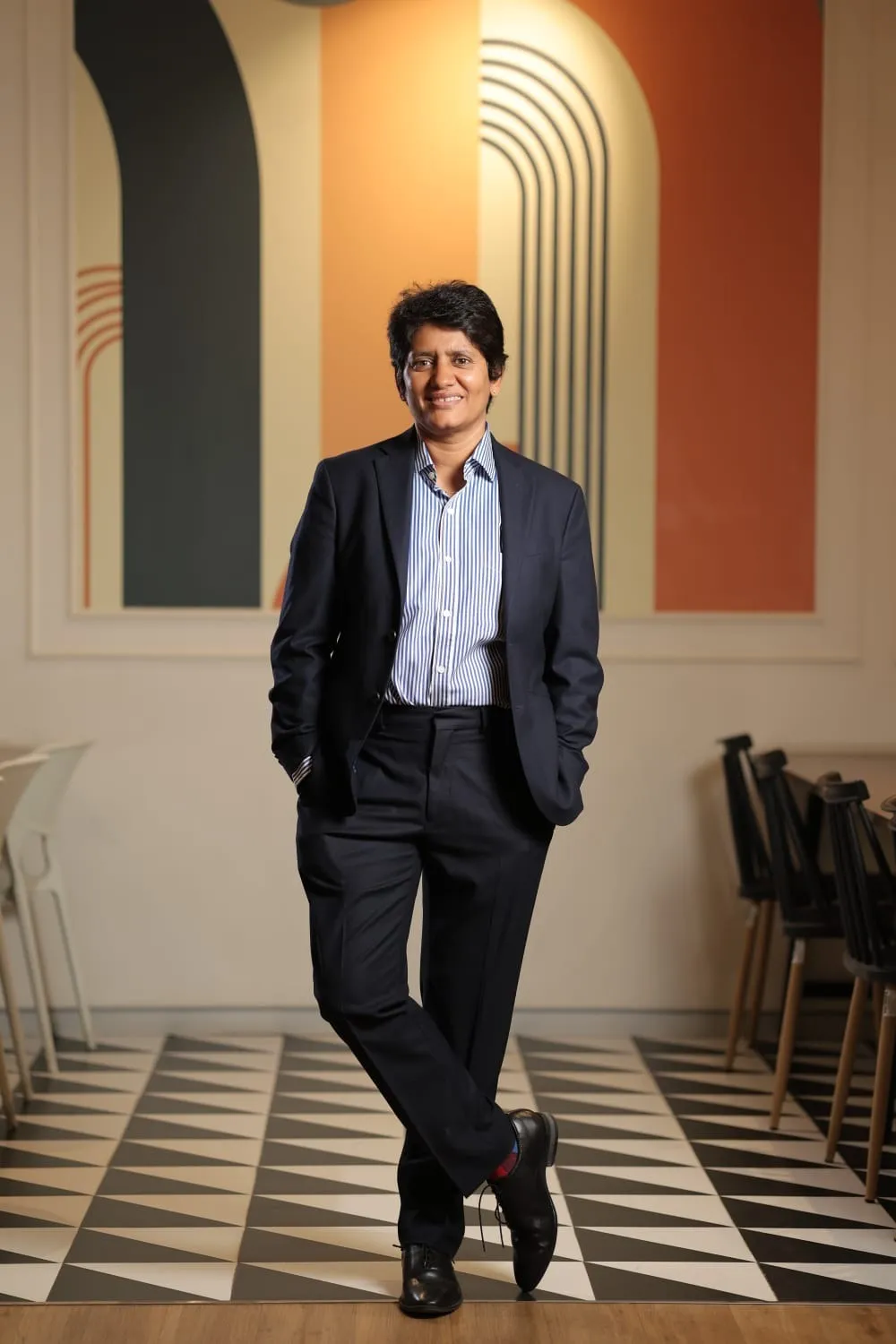
Authored Article by Nidhi Saxena,Founder, Delulu- iShots Beverages Pvt. Ltd.
The minibar used to be a predictable story: sugary sodas, a couple of mixers, and a tiny bottle of guilt. Today, that story is changing. Guests are arriving with hydration goals, workout routines, and a new question that quietly shapes their choices: “Will this stay support how I’m trying to live?”
This isn’t a fleeting fad. Wellness has become a daily, personalized practice especially for millennials and Gen Z, and it’s showing up in new places beyond gyms and clinics. Hospitality is one of those places, and beverages are the easiest entry point: low-friction, high-frequency, and instantly felt.
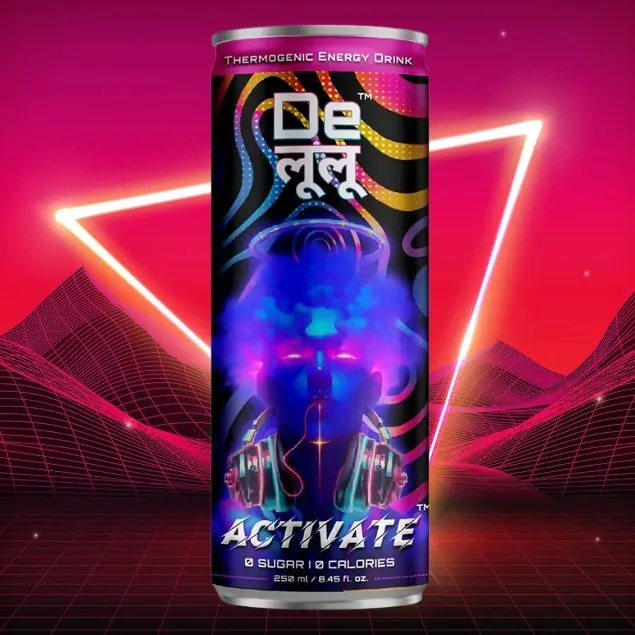
Wellness drinks have also evolved beyond “just water.” Functional beverages are built to support hydration, steadier energy, digestion comfort, and immunity-minded routines.
Why does this land so well in hotels? Because travel is hard on the body. Flights dehydrate. Late dinners disrupt digestion. Sleep gets fragmented. Stress rises. When guests say “immunity” on the road, they’re often describing the full stack of travel strain energy dips, poor recovery, and the sense of being slightly off. A well-chosen drink becomes a practical antidote: electrolytes after a flight, ginger after a heavy meal, or a low-sugar vitamin blend that helps guests feel cared for and ready to enjoy the stay.
The momentum is real. Research firms estimate the functional drinks category at about USD 149.75 billion in 2024, with strong growth projected through 2030. Wellness tourism is also expected to surge, with forecasts describing a jump toward USD 1.4 trillion by 2027. When well being becomes both a travel motive and a travel expectation, hotels start to behave like wellness platforms, not just places to sleep.
For hospitality operators, wellness drinks solve three problems at once.
First, they elevate the guest experience without operational chaos. Unlike building a spa or retrofitting a gym, beverages can be integrated quickly: hydration stations in the lobby, functional water in the minibar, or electrolyte-forward options at breakfast. Hotels are already expanding wellness amenities because travelers want to maintain good habits on the road.
Second, they modernize beverage programs for a changing culture. As more guests cut sugar and reduce alcohol, “a good drink” increasingly means feeling good after it. That opens space for functional mocktails, botanical refreshers, and fermented drinks that feel premium and social.
Third, they create differentiated revenue. Wellness beverages are “premium by purpose.” Guests pay for convenience and credibility, especially when drinks are positioned as part of an experience: post-workout recovery in the gym, focus-friendly options at conferences, or calming blends at the pool bar.
But the opportunity comes with a responsibility: trust. Consumers are increasingly allergic to miracle claims, and hospitality leaders are emphasizing science-backed wellbeing, transparency, and “truth over hype.” The playbook is simple: curate credible ingredients, keep labels clean, and message responsibly. Hydration and electrolytes are straightforward. Probiotics can be framed around gut comfort. Vitamin blends can support nutrition without implying they prevent illness.
In the end, wellness drinks are becoming a hospitality staple because they meet guests where they already are: tired, curious, health-aware, and short on time. A great stay is no longer just thread count and room service speed. It’s how the guest feels when they leave and sometimes, the simplest way to influence that feeling is what’s waiting in their hand.