Finding the energy to exercise in the morning or after a long day is a common problem. This might explain why pre-workout supplements have become so popular. These supplements can bring you more focus and energy for your training sessions – making it possible to get to the gym, no matter how tired you are.
Pre-workout supplements usually contain multiple ingredients – each of which have different effects on the body.
The primary ingredient in most pre-workouts are stimulants such as caffeine or guarana (a plant which contains caffeine). Stimulants help increase focus and alertness. Caffeine may also make workouts feel easier.
Research shows even a single dose of pre-workout supplement containing caffeine before exercising can lead to small improvements in the number of repetitions a person can do, their power and the amount of weight they can lift during a session.
However, these benefits may solely be due to the caffeine itself. When pre-workout supplements are directly compared against the same dose of caffeine on its own, the supplements generally don’t outperform caffeine. Sometimes, caffeine even works as well or better in improving performance.
Taking between 3-6mg of caffeine per kg (around 225-450 mg for a 75kg person, the equivalent of 2-4 cups of strong coffee) can increase strength by around 7%. It can also enhance endurance by around 15%. This might not sound like much, but over time this can lead to significant training gains.
Alongside caffeine, pre-workout supplements contain other ingredients that reportedly help reduce fatigue and boost fitness gains. For instance, many pre-workouts contain beta-alanine – an amino acid usually found in meat which can counteract muscle tiredness.
One challenge of training is that we produce the chemical lactic acid. This can lead to fatigue and impact training quality, particularly if the training is hard.
This is where beta-alanine comes in. Beta-alanine increases muscle levels of carnosine, a molecule that buffers against lactic acid. This helps delay the fatigue we often experience lifting weights or doing intense training.
However, unlike caffeine, beta‑alanine doesn’t work from a single dose. It must be taken daily for around 2–4 weeks to have any effect.
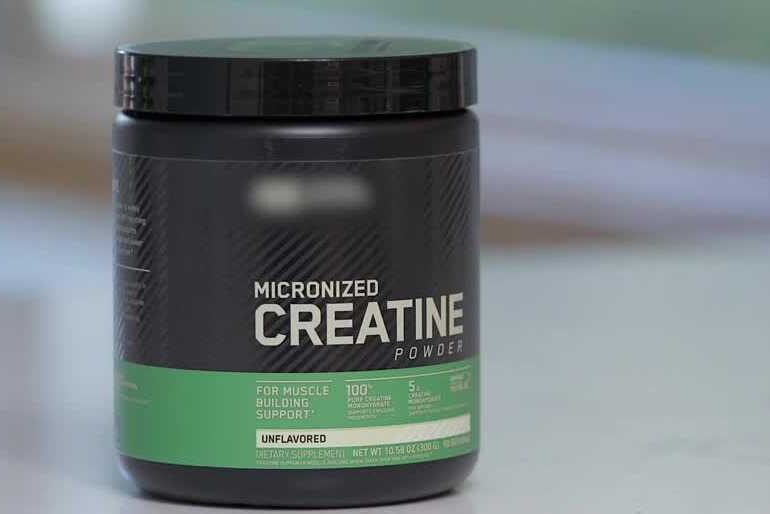
Creatine is another nutrient added to pre-workout formulas to maximise training gains. Creatine works by restoring short-term energy. This helps us recover faster between sets, making it possible to do more work when training.
Creatine also works better if taken regularly for around four weeks. Taking a single dose of a pre-workout containing creatine probably won’t benefit training quality – though some research does suggest it may help reduce fatigue and boost brain power after a poor night’s sleep.
Alongside creatine, many blends include amino acids such as leucine and taurine. Leucine supports muscle gains, while taurine may help reduce muscle soreness. Both work alongside creatine to support training benefits.

Pre-workout supplements may help improve fitness.
Miljan Zivkovic/ Shutterstock
Other amino acids sometimes found in pre-workout formulations include citrulline and arginine. These nutrients increase nitric oxide, a molecule which increases blood flow and oxygen to muscles – helping them function more efficiently.
This effect may improve endurance ability or temporarily make muscles look bigger when doing resistance training, which many people look for. However, not all evidence supports this.
Some pre-workouts formulas also claim to contain ingredients that can help with weight loss or fat burning – such as green tea or carnitine.
These nutrients may enhance the body’s ability to burn fat for energy during and after exercise – although not all studies agree on this. It’s also not clear whether these nutrients actually lead to greater, long-term weight loss as a result.
More recently, supplements have begun including natural nootropics. These plant-based compounds support brain chemicals involved in concentration or energy required by the brain, which is why nootropics may help improve focus, alertness, mood and motivation.
Nootropics such as theanine can improve alertness and athletic performance. Others nootropics, such as ashwagandha or rhodiola rosea, may enhance endurance and the ability to deal with physical and mental stress.
The verdict
Looking at the evidence, pre-workout supplements can modestly boost energy, strength, focus and stamina when used alongside a training program. However, as it may take several weeks for specific ingredients to have an effect, such supplements may need to be taken consistently.
If you’re going to take a pre-workout supplement, it’s best to take it around 30-60 minutes before your workout so it can take effect. Preferably, choose products that are batch‑tested to ensure quality.
Read more:
Does coffee burn more fat during exercise? What the evidence tells us
Since the main ingredient in pre-workouts tends to be caffeine, those who train later in the day might want to use formulas with a lower caffeine content (or none at all) to avoid sleep issues and anxiety.
Excessive caffeine intake can also lead to gut issues for some, so always check the label to see what the doses are.
Most pre-workout formulas are generally considered safe for most people to use over a period of a few weeks.
However, those with heart issues should avoid formulas containing high levels of stimulants – particularly products containing p‑synephrine (bitter orange). This plant derivative has been linked with heart issues – especially when combined with caffeine.
Researchers also currently don’t know the effects of pre-workout supplements during pregnancy, so it might be best to avoid them – particularly if the caffeine content is high.
Some people may also experience side-effects from taking pre-workout supplements – most commonly tingling or itchiness which occurs around 30 minutes of taking a pre-workout. This is usually caused by higher intake of beta-alanine which affects sensory receptors in the skin.
These effects are harmless, and usually subside within an hour. Taking a smaller dose or using a timed-release formulation can minimise effects.
Overall, although the benefits of pre-workouts may be small, if the supplement helps you train more consistently, this will ultimately benefit your training results.