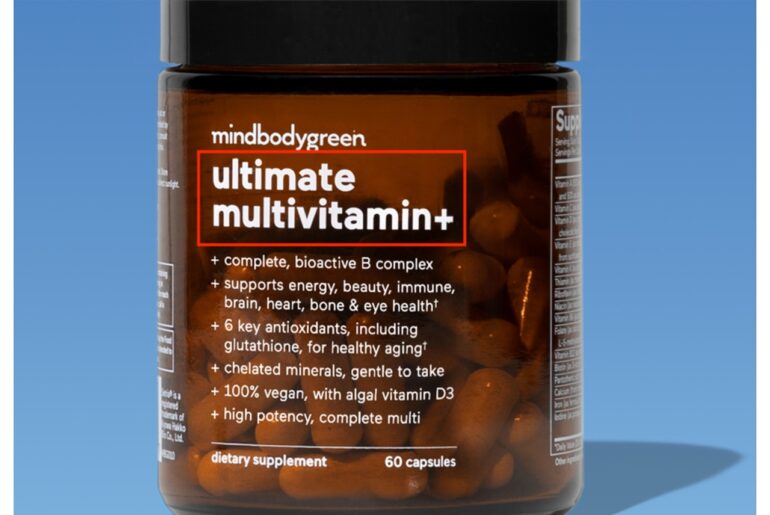
Not every supplement on the shelf is good for your health—and some may even do more harm than good, says Dr Eric Berg, a global wellness expert.
Dr Berg warns that several commonly used synthetic vitamins and minerals can accumulate in the body or interfere with natural processes, increasing long-term health risks.
Synthetic Vitamin A, often listed as retinyl palmitate or retinyl acetate, is one such example. According to Berg, it can build up in the liver and fat tissues, raising the risk of toxicity, bone loss, and birth defects. He also cautions that when used in skincare products, it may become carcinogenic when exposed to UV light. Instead, he recommends natural sources such as egg yolks, liver, and cod liver oil.
When it comes to beta-carotene, Berg prefers food-based carotenoids from carrots, leafy greens, and sweet potatoes. He claims synthetic beta-carotene, which is often derived from petroleum byproducts, has been linked to higher cancer risk, particularly among smokers.
Dr Berg also advises against relying on synthetic folic acid (vitamin B9). He says many people lack the ability to convert folic acid into its usable form, folate. This can result in unmetabolised folic acid circulating in the blood, which has been associated with immune dysfunction and increased cancer risk. Natural folate, he suggests, should come from dark leafy vegetables.
 Live Events
Synthetic vitamin B12 (cyanocobalamin) is another concern. Berg notes that it contains trace amounts of cyanide, offers lower absorption, and may reduce key antioxidants in the body. He recommends methylcobalamin from red meat, liver, or high-quality supplements instead.
— dr_ericberg (@dr_ericberg) Among minerals, calcium carbonate is flagged for poor absorption. Berg describes it as “essentially chalk,” warning that excess intake can lead to arterial and kidney buildup, especially when not balanced with magnesium. Dairy products and leafy greens are cited as better calcium sources.
He also cautions against ferrous sulfate, a synthetic form of iron. According to Berg, excess iron is highly oxidative and has been linked to conditions such as diabetes, liver disease, and neurodegenerative disorders. He advises meeting iron needs through foods like red meat and liver.
Magnesium oxide, commonly used in supplements, is absorbed at a very low rate and can cause digestive issues. Berg suggests magnesium glycinate, which he says is far better absorbed.
On vitamin D, Berg discourages the use of vitamin D2 (ergocalciferol), noting that it is poorly converted into the active form of the vitamin. Vitamin D3 combined with regular sunlight exposure is his preferred option.
Finally, he warns against excessive omega-6 oils and isolated copper supplements, both of which can promote inflammation and oxidative stress when consumed in excess or without proper balance.
Dr Berg’s overall message is clear: nutrients are best absorbed from whole foods, and supplements—especially synthetic ones—should be used cautiously and selectively.