As 2026 kicks off, new federal announcements are changing the landscape on state and territory efforts to increase access to affordable, healthy foods. From new federal dietary guidelines to waivers, and progress toward improved program integrity measures, states and territories have been busy! On January 29, 2026, NGA convened state and territory Human Services Policy Advisors for a discussion on nutrition priorities across SNAP, child nutrition programs, and broader food systems work. The January Network call featured expert presentations from Manatt Health, the National Conference of State Legislatures (NCSL) and Iowa’s Department of Health and Human Services on implementing healthy food initiatives.
A recording is available here. Please contact the NGA Children & Families team for the password.
Speakers:
Cindy Long, Senior Managing Director, Manatt Health
Blair Cantfil, Senior Director, Manatt Health
Ashton Thompson, Policy Associate, Children and Families, NCSL
Erin Drinnin, Director, Division of Community Access and Eligibility, Iowa Department of Health and Human Services
Key Takeaways:
Recent Federal Actions: New 2025–2030 Dietary Guidelines for Americans (DGA), released January 2026:
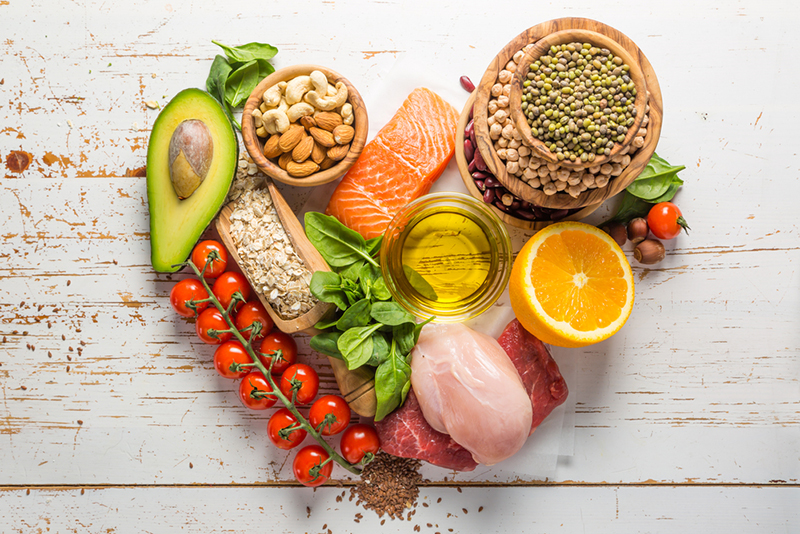
Emphasizes increased protein intake, fats from natural and animal sources, reduced focus on grains, and strong discouragement of highly processed foods alongside limits on added sugars
New DGAs will trigger regulatory changes to school meal standards and requirements for child care and Head Start settings; US Department of Agriculture (USDA) is expected to propose updated meal standards later in 2026
Proposed regulations will be open for comment for States and Territories to supply state implementation perspectives, and are encouraged to engage local providers and food producers in their analysis
State Actions and Priorities:
Healthy SNAP Waivers
Per SNAP statute, states and territories have limited jurisdiction over consumer SNAP purchases and must seek waivers to adjust allowable products;
USDA has approved 18 states for waivers prohibiting the purchase of unhealthy foods, including candy and/or soda, with SNAP dollars
Five states (including Iowa) began implementation on January 1, 2026
Some states are simultaneously exploring expansions to allow for the purchase of items like hot prepared foods (e.g., rotisserie chicken), or vitamins
At least 23 states have introduced bills requesting waivers to restrict purchases of items including sugary beverages, candy, prepared desserts, and energy drinks
Offering Healthy Food Incentives:
Many states and territories participate in federal programs, like Double-Up Food Bucks, that expand consumer purchasing power for healthy foods
At least 15 states have introduced legislation to fund, expand, or test incentive initiatives using dollar-for-dollar produce matches, EBT bonuses, in-store discounts, and other pilot approaches that aim to increase purchasing of fruits and vegetables
Updating School Nutrition Standards:
States are updating meal standards and limiting additives: Virginia recently enacted restrictions on color additives in school meals, California is phasing out certain foods while requiring vendors to report nutrition information, and Maryland is establishing a statewide program to help schools purchase locally grown food
Collaborating with State Health Agencies:
States and territories continue incorporating food as medicine into Medicaid programs through 1115 waivers or in-lieu-of-services arrangements, typically addressing diet-related conditions through medically tailored meals, medically tailored groceries, or produce prescriptions
Several states and territories highlighted SNAP waivers as key tenets of their Rural Health Transformation Grants, paving the way for cross-agency collaboration
HR1 Implementation: States are introducing appropriations and legislation to support HR1 changes:
Washington introduced legislation creating an excise tax on large companies to support public benefit programs
Florida legislation would require the Department of Children and Families to develop a payment accuracy plan
Maine legislation would require the Department of Health and Human Services to create a plan to reduce state SNAP cost share by lowering payment error rates
Oklahoma legislators proposed tying agency leadership compensation to payment error rates with savings directed to staff bonuses
Virginia introduced legislation to modernize eligibility systems and establish statewide data standards
Iowa Healthy SNAP Waiver: Key Insights
Iowa was among the first five states to implement a healthy SNAP waiver on January 1, 2026, which entails:
Unique Design using Taxable Foods: Waiver aligns with the state’s taxable food and beverage list, which includes candy, soda, sugary drinks, and some prepared foods, providing operational efficiencies for retailers who already had systems to track taxable items
Retailer Partnership: Regular communication and collaboration with retailers from early planning through implementation includes monthly webinars, a dedicated website with resources, and a retailer workgroup providing feedback on customer communications
Consumer Outreach: Proactive consumer engagement included dissemination of updated notices to new SNAP enrollees starting in fall 2025, including:
Robust social media and streaming advertising campaign
Radio advertisements
Community partner engagement
In-store signage in aisles identifying restricted products
Built-in Evaluation: Contracts for external evaluation including pre- and post-implementation surveys examining changes in purchasing behaviors (both SNAP and overall) and eating habits
For questions about this summary or to request the full presentation, contact Jessica Kirchner.