New Fit Guide data finds Pilates surging in quality in Singapore, but front-of-house experience has dropped to the lowest level globally, with high studio closures
Singapore’s fitness market is at an inflection point, according to new data from the Fit Guide (TFG), an independent company that rates boutique fitness studios based on over 250 criteria, including class experience, reception services and technology.
The global independent rating system has officially launched in Singapore for the second time, emerging with some concerning findings for the Southeast Asian country.
TFG conducted anonymous, multi-visit evaluations to assess member experience, finding a steadily improving Pilates market, but with decreasing overall standards and the most closures globally, cementing Singapore as one of the lowest-rated globally for pre- and post-class service.
“This year’s evaluation scores highlight that there’s a clear opportunity in Singapore to strengthen the service side of the fitness experience,” TFG co-founder Matt Lavender told Athletech News. “The studios that invest in hospitality fundamentals will be best placed to raise standards and stand out.”
Pilates Rises to the Top, While Barre Sees Improvements
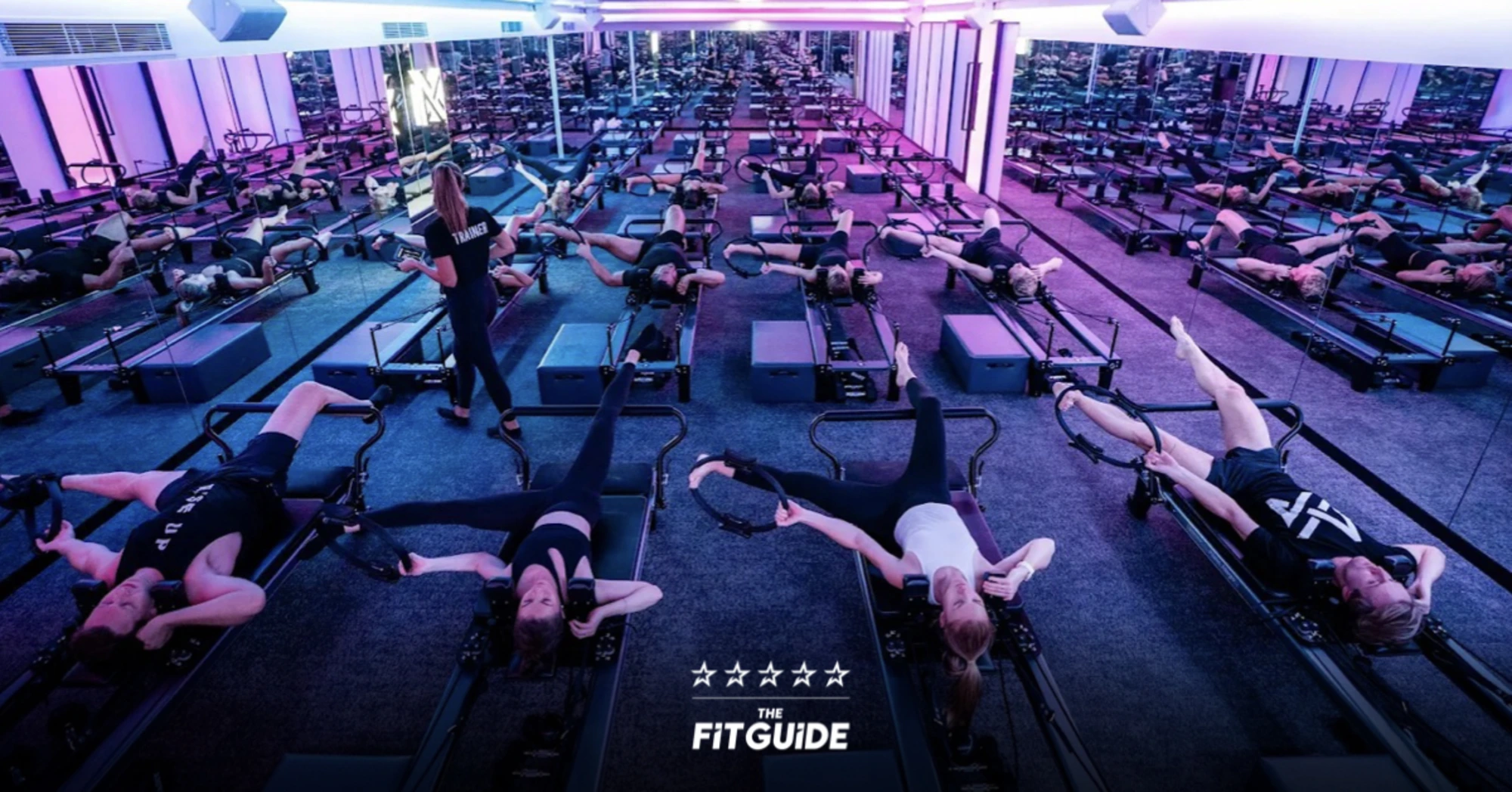
TFG found that Pilates is Singapore’s star modality for 2026, with average scores rising 3.4% to 81.2% and three clubs achieving Five-Star status for Class Experience, compared to none last year.
One of the standout brands was KX Pilates River Valley, earning Five-Star Awards for both Class Experience and Overall Experience.
Another popular low-impact modality saw some improvements, according to TFG: barre.
 credit: The Fit Guide
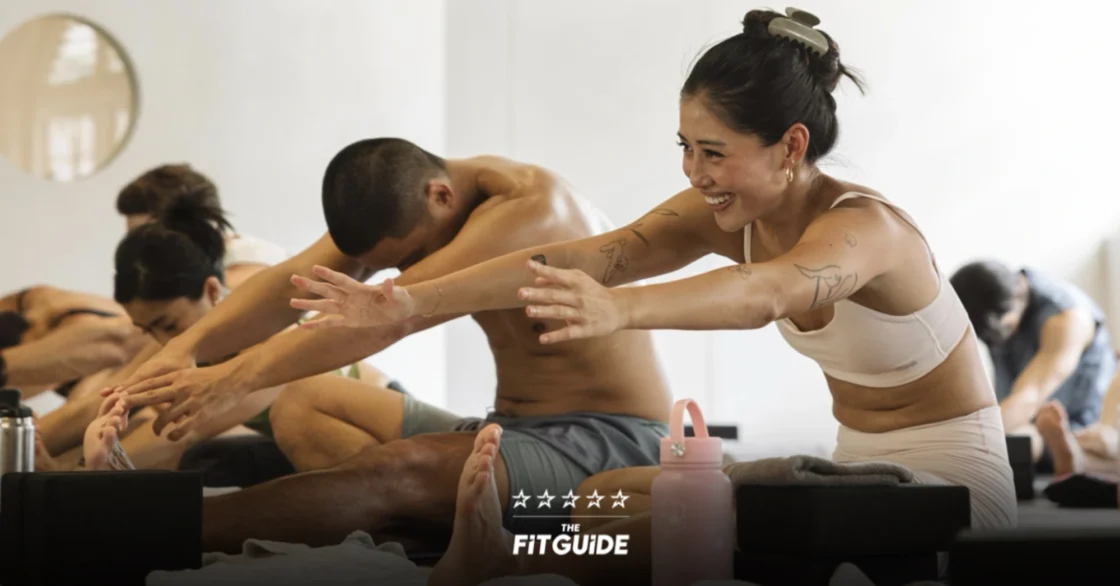
The fitness method blending ballet, Pilates and yoga to build full-body strength and improve flexibility saw its Singapore standards improve, bolstered in part by lower-performing studios that closed since the last TFG evaluation.
Singapore-based WeBarre stood out from other brands, as well as Holland Village, winning a Five-Star Class Experience Award, and Telok Ayer becoming one of only two clubs to achieve Five-Star status for overall experience.
Service Quality Drops & Increased Closures
TFG found that front-of-house service standards in Singapore fell to the lowest level globally, with declining class experience scores and the highest studio closure rate of all global markets.
According to the data, pre- and post-class service scores dropped from 70.6% to 68.3%, the lowest of any city evaluated by TFG.
“High rents and competition are often blamed for closures, but our data shows that if there is little human connection in the experience, survival is tough. We must remember we’re in the people business, so when nearly a third of clubs close and front-of-house service ranks last globally, I hope it’s a wake-up call for gym owners and operators.” Fit Guide co-founder Jack Thomas told ATN.
Class experience standards also dropped, falling from 85.3% to 82.6%, caused by what TFG reports as reduced individual coaching, less personal correction and weaker management across multiple modalities.
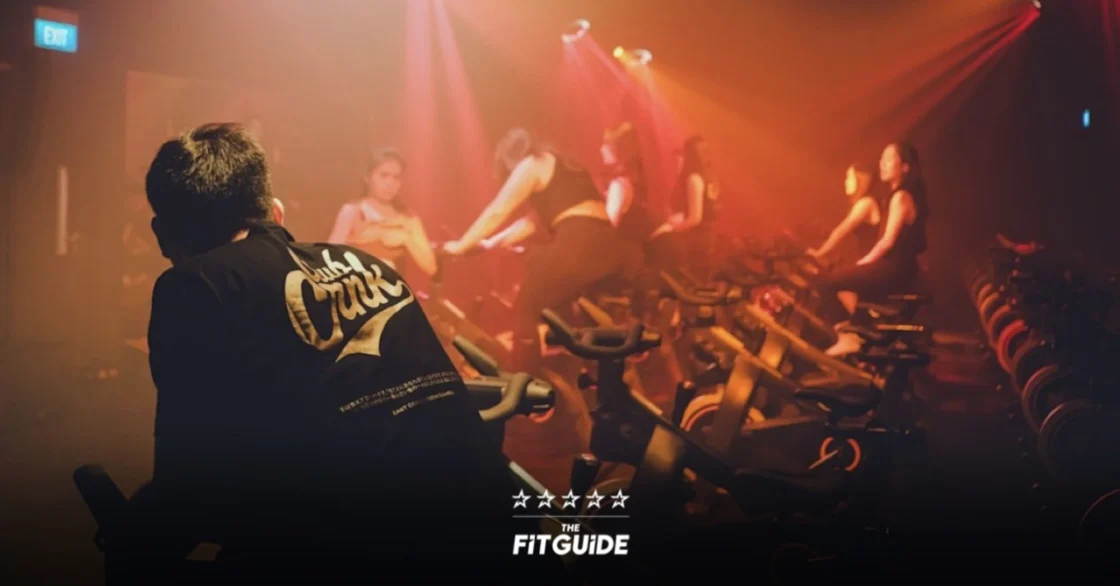
Singapore consumers have even more limited options as well, as the country has also recorded more closures than any other city evaluated by TFG, with around 30% of the original 50 clubs visited upon the first launch now closed.
The majority of those closures were HIIT and strength-based concepts, followed closely by cycling studios.
 credit: The Fit Guide
A Critical Moment for Singapore
While much of TFG’s findings seem grim, they also indicate that the country has an opportunity to turn things around.
The marked improvement in Pilates reflects a steady market, and that raising quality is both feasible and key to future growth. Additionally, TFG found more consistency across classes, with tighter structure, clearer coaching cues and less confusion among attendees.
“Singapore is still one of Asia’s most mature and lively fitness markets, but the data shows there’s still a lot of room for improvement,” Thomas said. “Pilates proved that raising standards is possible even in a tough operating environment, but falling front-of-house service and class experience scores elsewhere show that many clubs are underestimating how much human connection still matters.”