The global wellness industry is silently booming alongside rising consumer expectations for experiences
Remember when longevity was just something biohackers obsessed over at exclusive retreats? Those days are over. What used to feel fringe has moved right into the center of how we think about health. And it’s not just a passing interest anymore — it’s a full-blown industry with serious money behind it and high expectations to match.
The numbers tell the story. The global wellness economy has hit about $6.8 trillion. That’s bigger than sports, tourism and even chunks of the tech world. But what’s really shifted isn’t just the size — it’s the mindset. Wellness isn’t a splurge anymore. It’s woven into how people live every day, showing up in their morning routines, their purchasing decisions and how they think about their future.
That’s made wellness remarkably stable, even when the economy isn’t. People tend to cut back on new clothes, nights out or home renovations before they skimp on their health. Case in point: during the Great Recession, vitamin and supplement sales actually grew while everything else tanked. Today’s consumers are the same way. When life feels shaky, investing in your health feels necessary, not optional.
But here’s the thing—people aren’t just spending more. They’re expecting more.
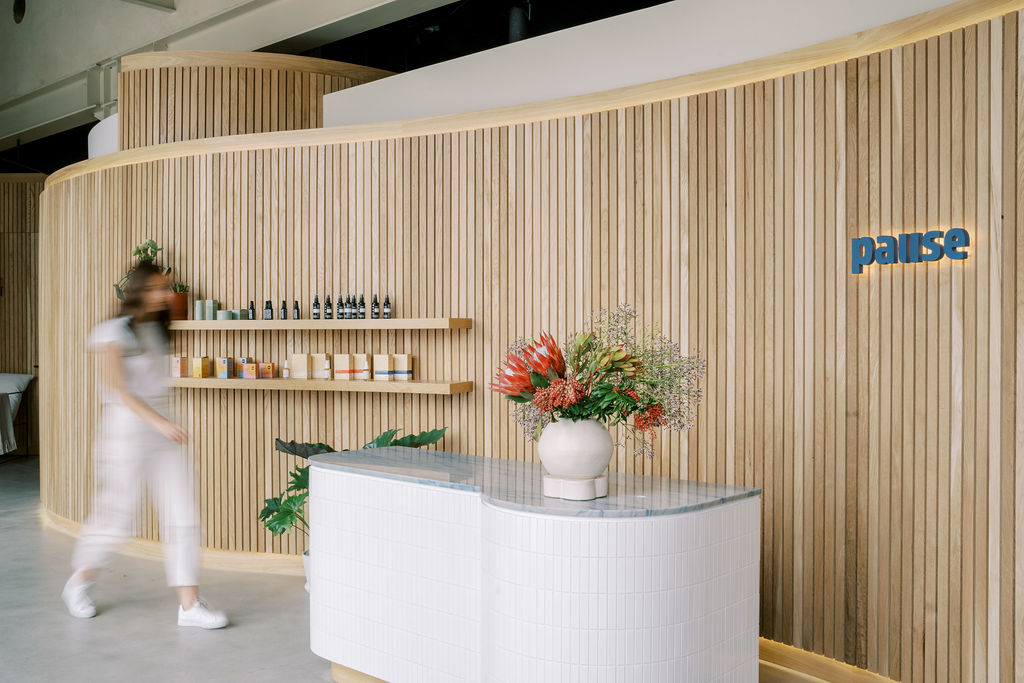 Credit: Courtesy of Pause Studio
The whole “anti-aging” language is starting to feel dated. What people really want now is durability — to stay strong, sharp and resilient as long as possible. They want programs that actually make sense, results they can genuinely feel and advice that fits into their actual lives, not just beautiful marketing campaigns or weekend wellness getaways.
This shift has caught the attention of serious investors. Preventive health and longevity have become major funding magnets, attracting capital, top talent and real innovation. But scaling a longevity business? That’s trickier than it looks.
A lot of the best early players in this space are incredibly personal — hands-on, founder-driven and built entirely on trust. The tension comes when they try to grow. In longevity, you can’t sacrifice credibility for speed. Reputation spreads fast, and one disappointing experience can unravel years of careful reputation-building.
Scroll to continue reading
The brands that are really succeeding focus on the basics. They build systems that work repeatedly, communicate honestly and put trust above buzz. When it comes to health, people aren’t just buying a product — they’re entering a relationship. That means there’s no room for cutting corners.
Los Angeles is a great example of how longevity culture evolves. Here, new wellness practices tend to go social before they go clinical. People discover them through studios, friend groups and community conversations. That creates real momentum — but it also means only what genuinely works survives.
Technology has sped all of this up. Wearables and diagnostics give us insights we’ve never had before, but data by itself isn’t the answer. What people actually need is help figuring out what matters, what’s noise, and what they should actually do about it. The easier you make that journey, the more likely they are to stick with it.
As longevity continues to expand, its future won’t belong to whoever makes the boldest promises or chases the fastest growth. It’ll belong to the people willing to build trust slowly, deliver consistently and think in decades instead of quarters.