When I first saw the news that Pat McGrath Labs had filed for Chapter 11 bankruptcy, my reaction wasn’t surprise. Not because the brand lacked influence or artistry, but because this moment feels like a case study in where the beauty industry actually is right now, not where we pretend it is.
Chapter 11 isn’t a shutdown. It’s a restructuring. And that distinction matters, especially in an industry that loves to frame everything as either a meteoric rise or a dramatic fall.
This isn’t a failure story, it’s a business one
Let’s get this out of the way first: Chapter 11 does not mean Pat McGrath Labs is disappearing. The brand continues to operate while it reorganizes its finances, renegotiates obligations, and adapts to current market realities. That’s not scandal. That’s business.
Still, the headline alone landed with weight because of who Pat McGrath is. She’s not just a founder — she’s arguably the most influential makeup artist of the modern era. Her fingerprints are on decades of runway shows, iconic beauty moments, and an entire generation’s understanding of glamour.
If a brand built on that level of cultural authority is feeling financial pressure, it tells us something important. And it’s not that artistry is irrelevant. It’s that the rules have changed.
The beauty industry has outgrown its own hype
For years, beauty lived in a boom cycle. Viral launches. Influencer-driven demand. Endless limited editions. Brands expanded fast, priced high, and relied heavily on department stores and wholesale partnerships to sustain growth.
That model is wobbling. Consumer behavior has shifted. Shoppers are more selective, less loyal, and far more aware of pricing. They want value, not just prestige. They want ease, not complexity. And they’re no longer impressed by a brand name alone — even a legendary one.
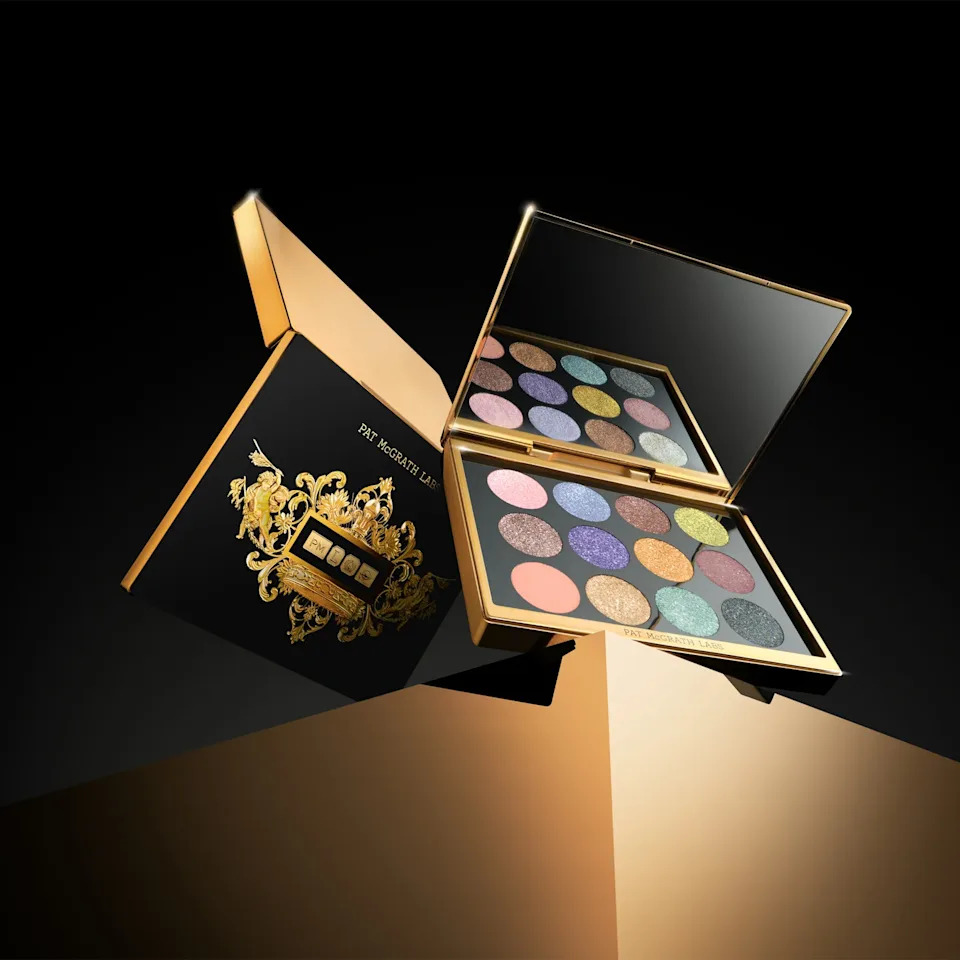
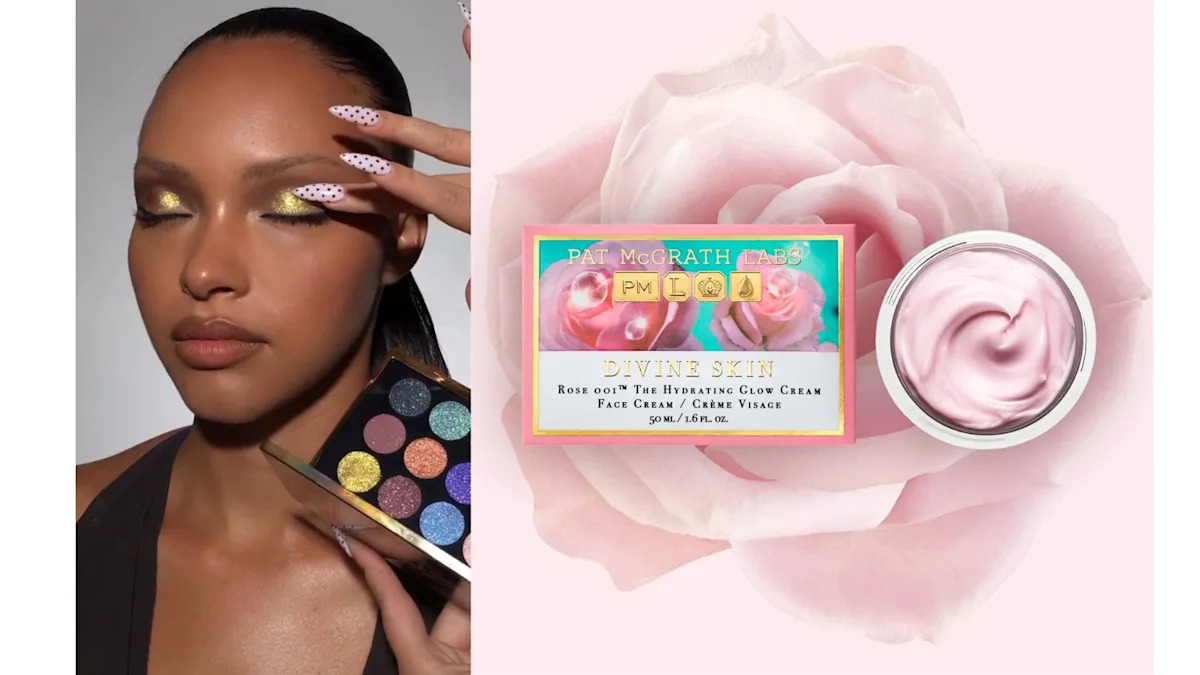
The beauty brand Pat McGrath Labs entered Chapter 11 restructuring, a move that reflects broader changes in how beauty companies scale and sustain growth.
(Patmcgrath.com)Retail realities are reshaping everything
One detail that keeps getting overlooked in the conversation is distribution. Much of the beauty industry is still reckoning with how dependent it became on traditional retail models that no longer behave the way they once did.
Department stores aren’t the guaranteed engines they used to be. Foot traffic is unpredictable. Inventory risk is high. And brands that scaled quickly during peak demand are now navigating a much tighter environment.
Restructuring isn’t about losing relevance. It’s about recalibrating for a world where growth looks different — slower, leaner, and far less flashy.
Iconic brands aren’t immune anymore
I think what unsettles people most about this story is the idea that legacy doesn’t equal immunity. Pat McGrath Labs didn’t lack cultural impact, press, or prestige. It had all three in abundance. But today’s beauty industry doesn’t reward history the way it once did. It rewards adaptability.
That doesn’t diminish the brand’s influence. It reframes it. Creativity can still lead — but it has to coexist with operational discipline, smarter scaling, and realistic expectations.
Chapter 11 as a reset, not a reckoning
There’s a temptation to treat bankruptcy filings as morality tales. This brand did too much. That brand miscalculated. But most of the time, it’s less dramatic than that.
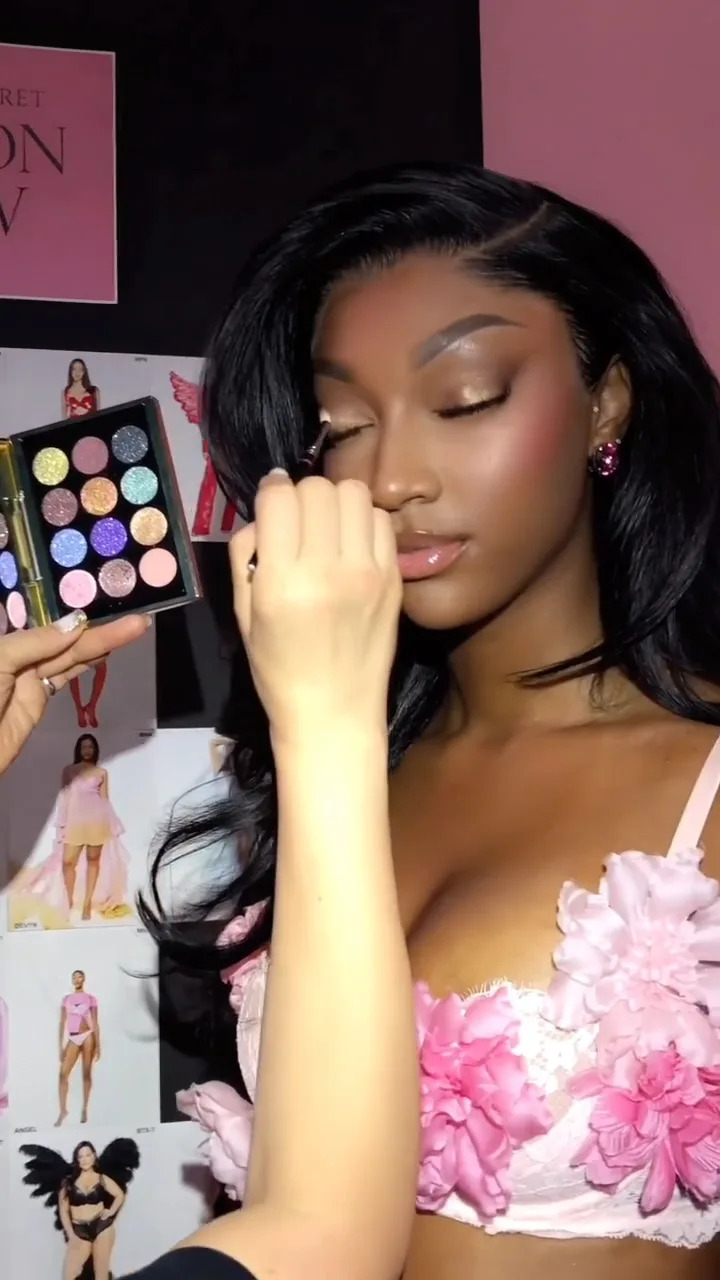
Pat McGrath Labs’ Chapter 11 filing highlights the evolving realities of the modern beauty business
(Patmcgrath/Instagram)
Chapter 11 is often a pause button. A chance to simplify, refocus, and remove the pressure of decisions made in a very different market. In that sense, Pat McGrath Labs’ filing feels less like an ending and more like a correction — one many beauty brands are quietly making, whether publicly or not.
My take on what this really says
To me, this moment isn’t just about the beauty industry — it’s about work in general.
So many people are realizing that what once made sense no longer fits the reality they’re in now. That doesn’t mean the talent disappeared or the work stopped mattering. It means the landscape changed.
That’s how I see Pat McGrath Labs’ Chapter 11 filing. Not as failure, but as a pause to reassess and rebuild something sustainable. We’ve been taught to view any step back as failure. But in real life, sustainability often looks like slowing down, cutting back, and rebuilding something that fits the present instead of chasing the past If even iconic brands have to adjust, that doesn’t make them less impressive. It makes them honest — and that honesty feels deeply relatable..