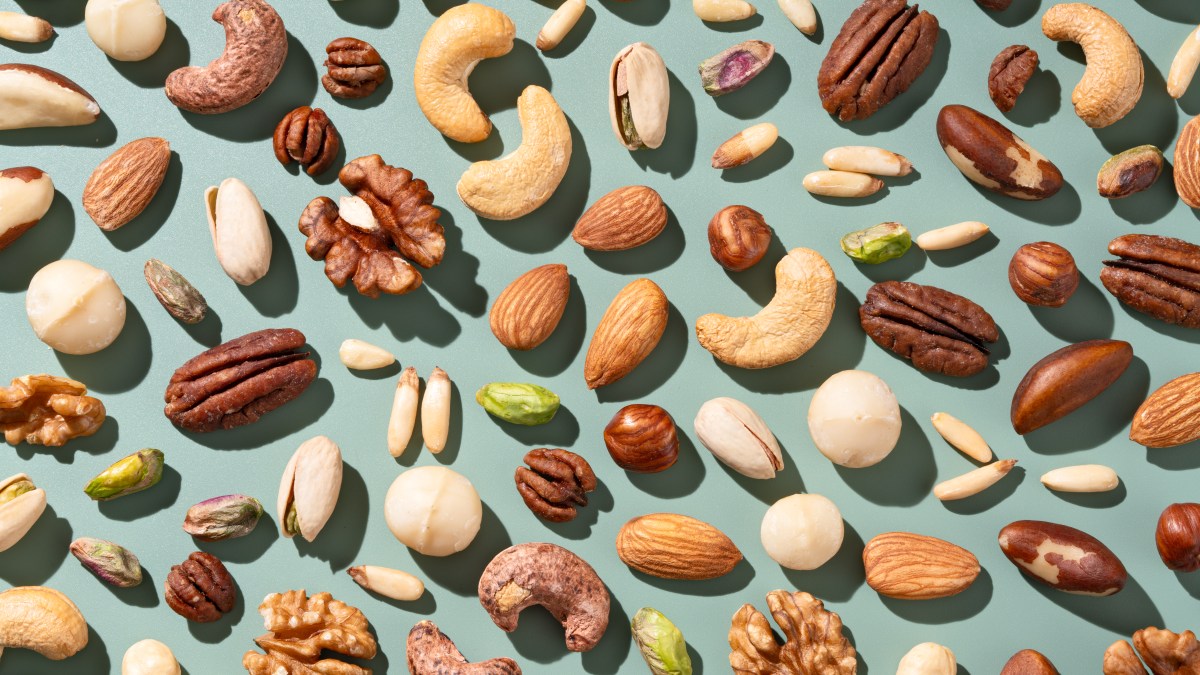
Nuts have for too long been fat-shamed, dismissed as too high in fat and calories. Yet a substantial body of research now links regular consumption of nuts with better heart health and even longevity.
Nuts “pack an unusually powerful mix of nutrients in a small package, delivering heart-healthy fats, plant protein and dietary fibre all at once”, says Emma Bardwell, author of the forthcoming The Fibre Effect. They contain monounsaturated and polyunsaturated fats, which support healthy cholesterol levels.
Which nuts should you target, do chocolate ones count and are they safe for children? Here’s how to go nuts.
What are the health benefits?
Plenty. A study of almost 8,000 people published in The New England Journal of Medicine showed those eating a handful of mixed nuts regularly have a significantly lower rate of heart attack, stroke and death from heart disease. Research by Professor Sarah Berry, a leading nutritional scientist at King’s College London, found that snacking on nuts can improve blood-vessel function and lower cholesterol in just six weeks, leading to a potential 30 per cent reduction in cardiovascular disease risk.
Another study published in The American Journal of Clinical Nutrition found that snacking on whole almonds for six weeks improved arterial function and lowered LDL cholesterol (the bad kind).
“They are all good for cardiometabolic health when eaten in an overall healthy pattern,” says the nutritionist Rhian Stephenson.
Which nuts are best?
“Walnuts are known for vascular and cognitive support,” Stephenson says, thanks to their high levels of the plant-based omega-3 fatty acid ALA. Cashews are rich in magnesium and potassium, “so they are good for metabolism and nervous system support”, and pistachios are “rich in carotenoids and hypocholesterolemic phytonutrients”, the natural plant compounds that help lower cholesterol levels.
Almonds pack about 4g of fibre per 30g serving and are a source of vitamin E, magnesium and healthy fats. Just one or two Brazil nuts a day can fulfil daily selenium requirements, which helps fight cell damage and —according to a study from the World Cancer Research Fund — may play a role in slowing prostate cancer progression.
Eat nuts with the skin on: it contains insoluble fibre, which keeps your digestive system ticking over effectively.
• What snacks are good for you? 7 tips from professional nutritionists
Do salted and roasted ones count?
Ish. Additional salt isn’t great for you. Roasting often involves adding oil, increasing the fat content, and sometimes additives such as MSG; it can also lead to a decrease in vitamin E and some B vitamins, which are sensitive to heat. Nut butters such as peanut and almond deliver the same health benefits as whole nuts but it’s easy to eat too much (as anyone who’s been caught with a spoon in the jar knows all too well).
However, good-quality dark chocolate-covered nuts “are absolutely fine to fit into a healthy diet as an occasional treat”, Stephenson says.
• The best healthy snacks to try — and the ones to avoid
 How many nuts is too many?
Most research suggests one serving a day is sufficient to get the benefits. “One serving is usually about 30g,” Stephenson says, which is roughly 20 almonds, 15 cashews, 14 walnut halves, 20 hazelnuts or 40 peanuts; a tablespoon of nut butter counts as a portion.
The most calorific nuts are pecans and macadamias; cashews and almonds are at the lower end of the scale. A study in the research journal Appetite found participants consumed 41 per cent fewer calories when shelling pistachios themselves, possibly because it allows time for satiety signals to register.
• Late snacking again? Here’s what to eat
Should kids eat them?
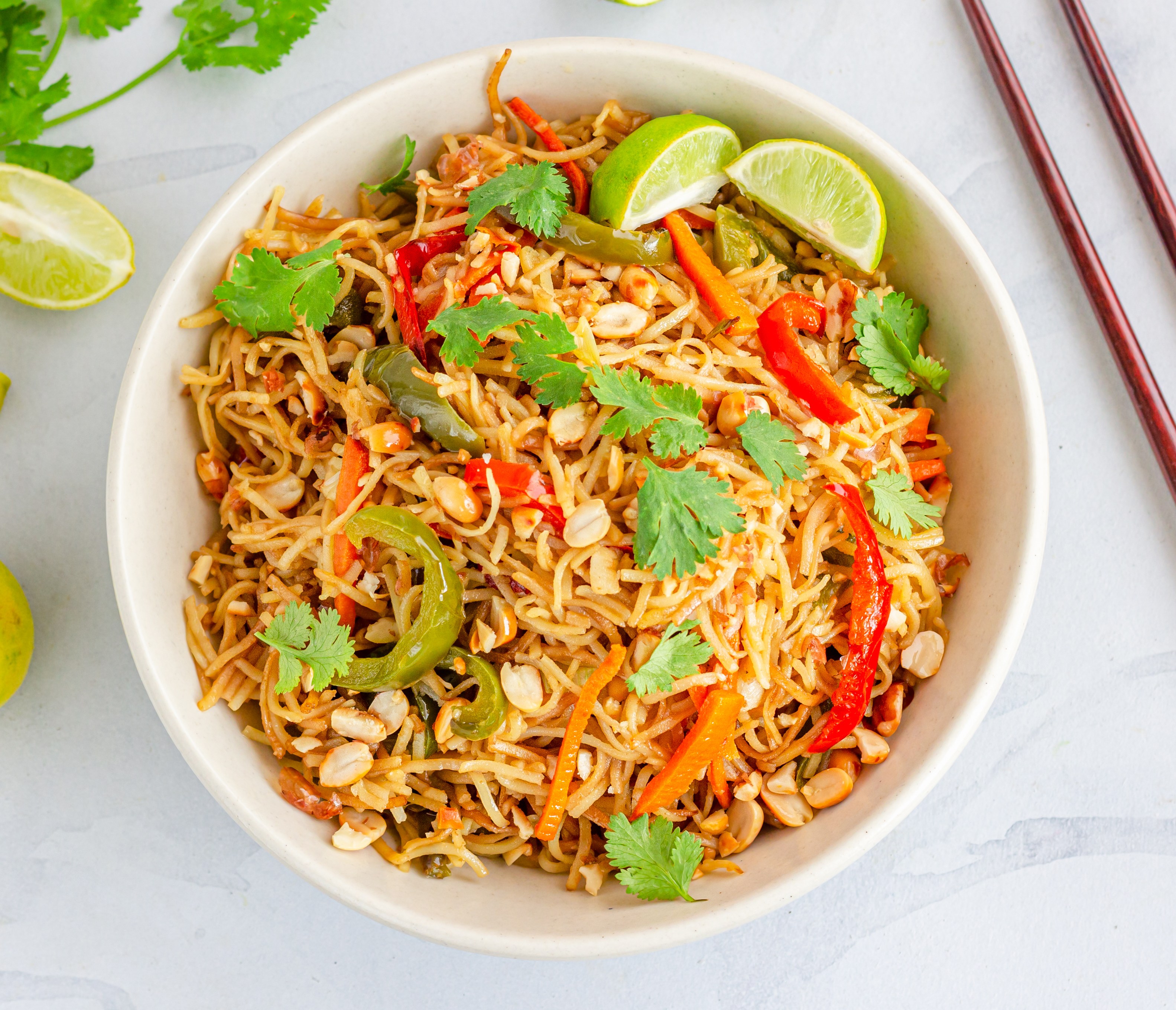
Nuts are an excellent addition to children’s diets, Stephenson says, provided measures are taken to avoid choking — such as serving chopped nuts, nut butters and ground nuts in baking. Nut allergies affect 1 in 50 children in the UK, but for most children there is no need to avoid them, and a 2025 clinical trial found introducing peanut products from infancy to age five reduced peanut allergy in adolescence by 71 per cent. Professor Gideon Lack, who led the trials, said early consumption could prevent “more than 100,000 new cases of peanut allergy every year worldwide”.
How do I eat more?
“I keep them in a jar by the kettle to remind me to have a handful with an afternoon cup of tea,” says Dr Emily Leeming, author of Genius Gut. They are also very easy to incorporate into meals: chopped into porridge, yoghurt or overnight oats; added to salads and roasted vegetables; or blended into sauces.