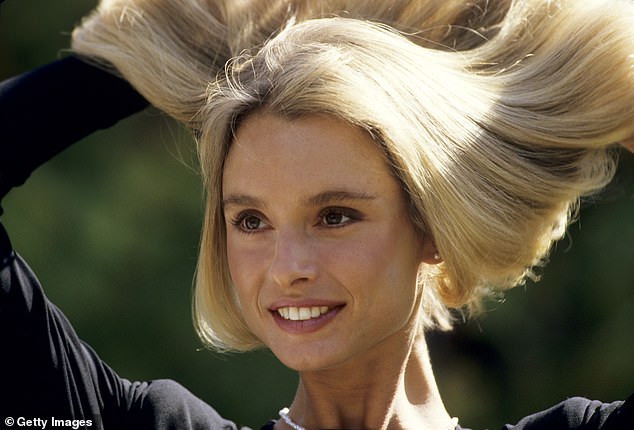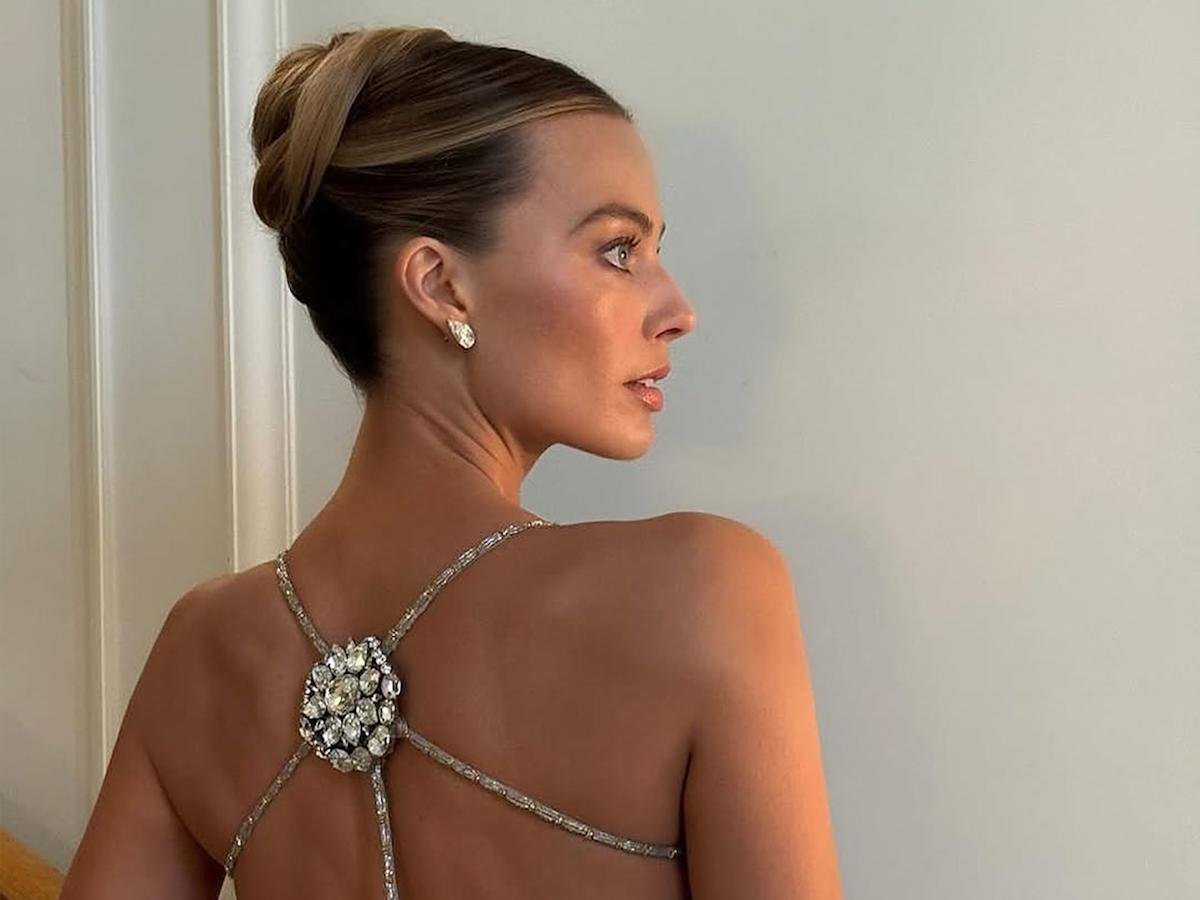
Allow us to reintroduce you to the French roll. A timeless updo with decades of history, the classic style—defined by hair tucked into a sleek roll—is officially back and cooler than ever. Once reserved for red carpets, weddings, galas, and proms, the French roll has broken free of formalwear only. Today, it’s showing up at chic girls’ nights out, festive birthday dinners, and just-because moments that call for a little unexpected drama. The girls are pairing French rolls with edgy leather dresses, crisp button-ups, baggy jeans, sweat sets, and even sneakers. In other words, the French roll doesn’t discriminate.
If you’ve got a fancy-schmancy event on the calendar—or you’re simply looking to play around with your look—we’re breaking down the French roll revival, how to pull it off, and the products you’ll need.
Meet Our Expert
Lona Vigi is a celebrity hairstylist whose client list includes Reese Witherspoon, Kelsea Ballerini, and Kate Hudson.
Jeremy Pugh is a Los Angeles and New York-based hairstylist.
Derick Monroe is an Emmy-nominated hairstylist whose client list includes Tyra Banks and Renée Elise Goldsberry.
What Is a French Roll?
Not to be confused with a baked good, the French roll is an updo where the hair is gathered, twisted vertically into a roll, and secured with pins or a comb. While traditional looks featured all the hair neatly combed back, today it’s all about the money pieces. “It’s not as structured as the original French roll or twist, it’s softer,” Vigi says.
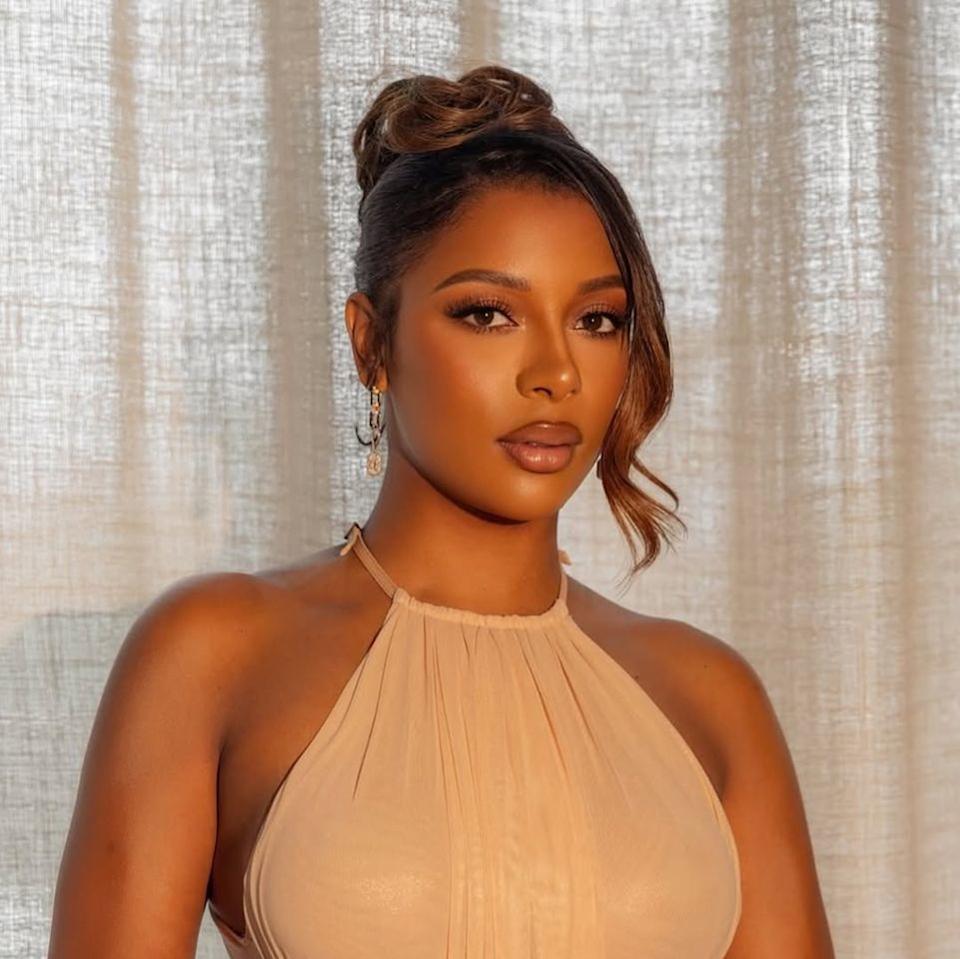
Pugh echoes similar sentiments. “It should look effortless, and recent versions have added playful bang pieces to keep it modern,” he says. “I like to leave some softness around the hairline or let the ends be a bit more flippy and free because it makes it more romantic, which is the vibe we’re after. The texture should look touchable, not super-sprayed down.”
Why Is It Trending?
The timing makes sense: this year is all about pursuing peace, serenity, and fun chaos, so our hair should reflect that energy. “It’s a classic beauty [look] redefined for 2026 with a little bit of an edgy aesthetic,” Vigi says. “It’s grown up. It’s modernized, it’s timeless. [The revival] was also driven by spring/summer 2026 runways, like The Row.”
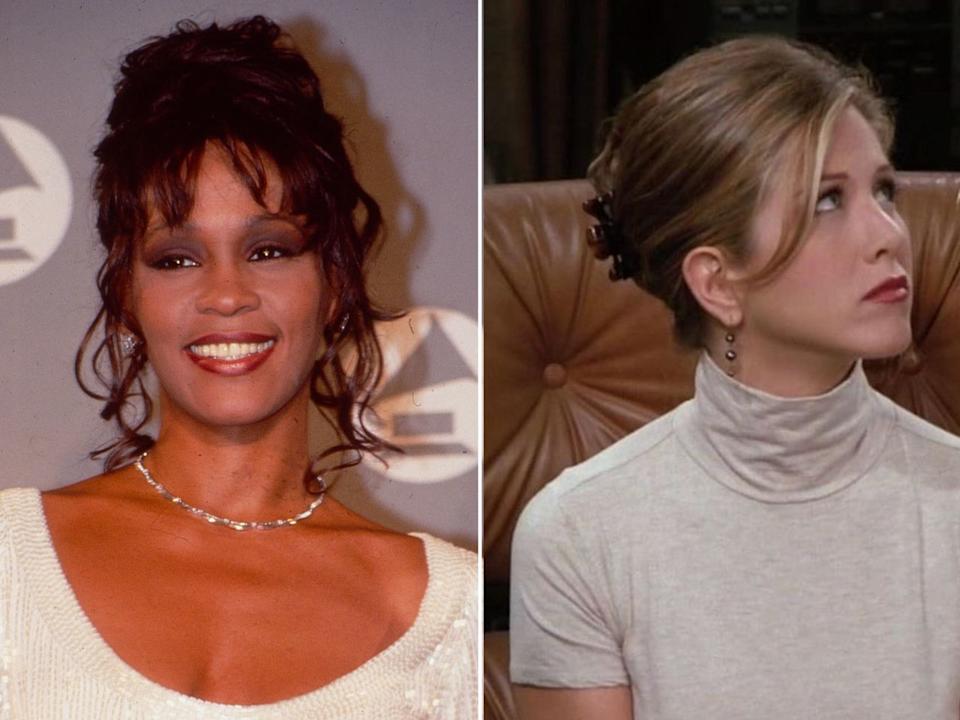
Monroe credits the revival to a renewed interest in the ’90s. “The ’90s are back in right now,” he says. “The French roll was pivotal in that moment, and just like all trends, it came back around.” Think Jennifer Aniston’s carefree iteration of the look in Friends, Kate Moss on the catwalk, or Whitney Houston at the 1994 Grammys and in The Bodyguard.
Pugh, meanwhile, attributes the interest in the style to its adaptability. “It’s polished without looking like you tried too hard,” he says. “We’re seeing celebrities lean into it more because it’s actually more versatile than you would think. It can be dressed up or kept casual.”
How to Get the Look
According to Monroe, the first thing you have to keep in mind is length. “If you have long hair, it can be slightly easier to [do this style] because you can use [the extra length] as your base to secure [the roll],” he shares. “If you have slightly shorter hair, you can always use foam rollers or ‘stuffing hair,’ which is synthetic hair wrapped in a net, which you’d then wrap your natural hair around.”
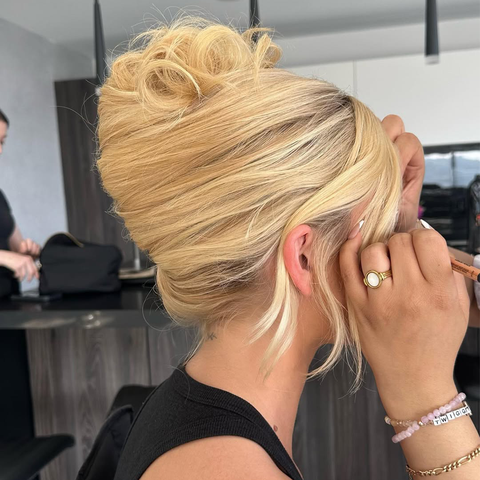
Pugh notes that the secret to a good French twist is the foundation. He starts by prepping the hair with a dry-texture spray or a light volumizing mousse to add grip. He then gathers the hair to create a vertical base of bobby pins that criss-cross up the center. “This gives you an anchor and criss-crossing gives you a stronger hold,” he says. “Then, I roll and fold the hair over and use large hairpins to secure the roll into that pinned base. Using hairpins instead of just bobby pins allows the hair to sit naturally while staying incredibly secure.”
Tips
“If your hair is fine, use a volumizing powder before you start pinning because it will help create shape,” Pugh says. “For coily or natural hair, I love using the natural volume to create a more architectural shape. The goal is to always work with the hair’s natural texture rather than fighting against it.”
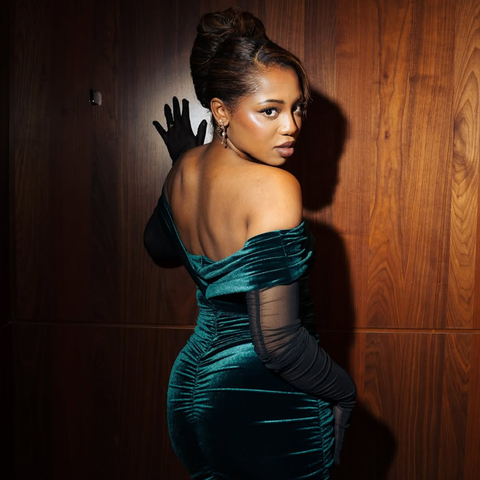
Monroe emphasizes that this new version of the French roll is less about perfection, so don’t “worry about it being super smooth.” The goal is simply to secure the style and maintain its shape. He recommends finishing with a great holding spray—or even by running a “warm curling iron over the roll.”
Read the original article on Byrdie