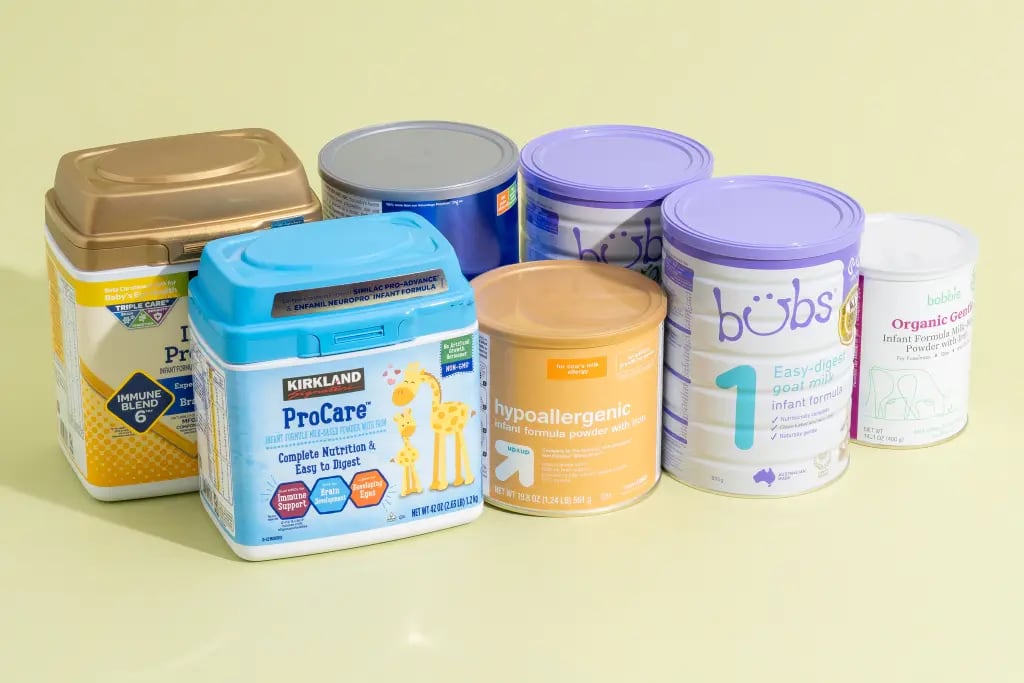
Rising awareness of infant nutrition, increasing working parent populations, and growing demand for convenient, fortified baby food are driving growth in the baby food and infant formula market. According to IMARC Group’s latest research publication, The global baby food and infant formula market size reached USD 53.73 Billion in 2024. Looking forward, IMARC Group expects the market to reach USD 84.06 Billion by 2033 exhibiting a growth rate (CAGR) of 4.58% during 2025-2033
How AI is Reshaping the Future of Baby Food and Infant Formula Market
Precision Nutrient Formulation and Optimization: AI systems generate least-cost formulations based on real-time ingredient costs and inventory data while maintaining optimal nutritional profiles. These platforms analyze nutritional requirements to create customized recipes meeting specific dietary needs, from hypoallergenic variants to fortified options.Automated Quality Control and Contamination Detection: Machine learning algorithms enable real-time monitoring of production environments, detecting potential pathogens like Cronobacter and Salmonella. AI-powered vision systems inspect packaging integrity, label accuracy, and date codes, reducing rework rates and minimizing recall risks across manufacturing facilities.Predictive Maintenance and Production Optimization: AI analyzes sensor data from manufacturing equipment to predict failures before they occur, minimizing downtime. Heat exchanger efficiency is significantly improved through AI-based modeling that predicts and regulates thermal exchange, ensuring consistent product quality while reducing energy consumption.
Access the Latest 2026 Market Data & Forecasts
Baby Food and Infant Formula Industry Overview:
The baby food and infant formula industry operates under stringent regulatory frameworks designed to protect infant health. The FDA issued draft guidance in January on current good manufacturing practices for low-moisture ready-to-eat foods, including powdered infant formula. The WIC program serves over 6 million low-income families monthly, with rebate savings reaching USD 1.6 billion annually, supporting approximately 1.59 million participants—25.5% of total program caseload—through competitive bidding contracts with formula manufacturers.
Baby Food and Infant Formula Market Trends & Drivers
The dramatic rise in working mothers worldwide is fundamentally reshaping feeding patterns and product demand. In the United States, 68.9% of women with children under six were employed, while 77.8% of mothers with children aged 6-17 held jobs. This shift creates strong demand for convenient, nutritionally complete feeding solutions. The WIC program’s income eligibility extends to families earning up to 185% of federal poverty guidelines, making formula accessible to millions who might otherwise struggle with costs. Two manufacturers currently hold nearly all WIC contracts nationwide, with rebates averaging over USD 80 per infant formula unit, demonstrating the program’s massive purchasing power and its role in making quality nutrition affordable for vulnerable populations.
Premium product innovation is accelerating as manufacturers compete for health-conscious consumers seeking cleaner formulations. Perrigo partnered with Dr. Brown’s to launch new infant formula solutions, while Danone introduced the industry’s first Dairy & Plants Blend formula with over 60% plant-derived protein for vegetarian and flexitarian families. Nestlé developed N3 milk in China featuring reduced lactose content, 15% fewer calories, and prebiotic fibers. These innovations respond to growing parental demand for specialized nutrition addressing allergies, digestive sensitivities, and dietary preferences. Over half of parents in multiple markets now prefer organic options for their infants, pushing manufacturers to reformulate classic brands while developing entirely new product lines featuring simpler ingredient lists and functional benefits.
Emerging markets are experiencing explosive growth driven by rising birth rates and expanding middle-class populations. China’s birth rate sits at 10.645 per 1,000 people, India at 16.949, and Indonesia at 16.8, creating massive demand pools for infant nutrition products. In China, over 50% of urban households prefer imported infant formula due to quality assurance concerns, demonstrating willingness to pay premiums for trusted brands. India’s POSHAN Abhiyaan government campaign actively promotes child nutrition, while e-commerce platforms like Flipkart and Amazon report 25% year-over-year growth in baby food sales. Modern retail expansion through supermarkets and hypermarkets, which command 53.7% of distribution channels globally, combines with digital transformation to make premium products accessible across previously underserved regions and demographics.
Leading Companies Operating in the Global Baby Food and Infant Formula Industry:
AbbottNestlé S.A.Danone S.A.Mead Johnson & Company, LLC (Reckitt)The Kraft Heinz Company
Baby Food and Infant Formula Market Report Segmentation:
By Type:
Milk FormulaDried Baby FoodPrepared Baby FoodOther Baby Food
Milk formula represents the largest segment, accounting for 54.9% market share, as it serves as a crucial substitute and complement to breastfeeding for working mothers.
By Distribution Channel:
Supermarkets and HypermarketsPharmaciesConvenience StoresOthers
Supermarkets and hypermarkets dominate with 53.7% market share owing to wide product variety, competitive pricing, promotional activities, and high consumer foot traffic.
Regional Insights:
North America (United States, Canada) Asia Pacific (China, Japan, India, South Korea, Australia, Indonesia, Others) Europe (Germany, France, United Kingdom, Italy, Spain, Russia, Others) Latin America (Brazil, Mexico, Others) Middle East and Africa
Asia Pacific exhibits clear dominance in the baby food and infant formula market, holding over 48.9% market share, driven by high birth rates, growing middle class, and increasing urbanization.
Recent News and Developments in Baby Food and Infant Formula Market
November 2024: Nestlé India announced its plans to cease the sale of refined sugar versions of its cereal-based supplemental food “Cerelac” in India.August 2024: Happa Foods, the first Indian baby food company to export baby purees abroad. The company is leading the way in providing organic and healthful baby food options, raising the bar for quality and safety in the worldwide baby food market.November 2023: Nestlé announced the development of N3 milk with new nutritional benefits, which was launched first in China. Because it is made from cow’s milk, it has all the vital nutrients proteins, vitamins, and minerals that are present in milk. It also has a reduced lactose content, more than 15% fewer calories, and prebiotic fibers.July 2023: Danone launched the new Dairy & Plants Blend baby formula to meet parents’ desire for feeding options suitable for vegetarian, flexitarian and plant-based diets, while still meeting their baby’s specific nutritional requirements. This is the first blended baby formula in the industry for healthy babies, with over half (60%) of the protein derived from plants.
Note: If you require specific details, data, or insights that are not currently included in the scope of this report, we are happy to accommodate your request. As part of our customization service, we will gather and provide the additional information you need, tailored to your specific requirements. Please let us know your exact needs, and we will ensure the report is updated accordingly to meet your expectations.