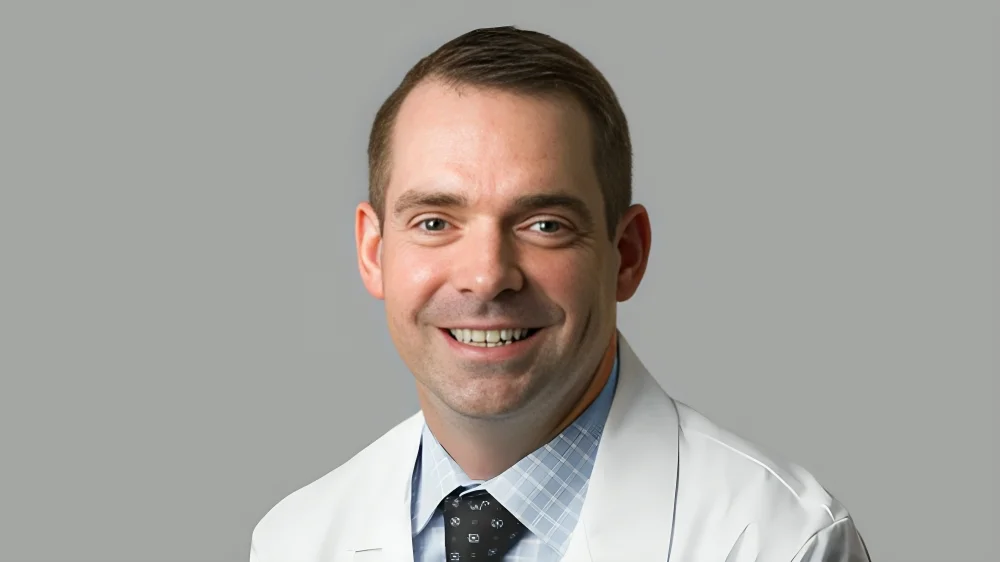
Daniel Flora, Medical Oncologist and Medical Director of Oncology Research at St. Elizabeth Healthcare, shared a post on LinkedIn:
“I think about nutrition a lot, both as a doctor and as someone trying to live a reasonably healthy life. In clinic, I meet people every week who want to do everything they can to support their health during cancer treatment or as part of prevention. Many already understand the basics. They’re trying their best to make healthy choices in the middle of something that’s really hard.
The internet often makes it sound simple. Change what you eat, fix your metabolism, and the rest will follow. That idea sounds great, but it doesn’t match what I see in real life.
In my practice, I find nutrition is often one of the hardest parts of cancer care. It asks for consistent effort at a time when energy, focus, and emotional bandwidth are limited. Treatment comes with structure and support. Nutrition shows up at every meal and every long day when stress is high. For many people, healthier food options are also more expensive or harder to find. On top of that, they’re often trying to feed other people, kids or spouses, whose needs and preferences may be very different.
Food is very personal. It’s comfort and routine, and sometimes one of the few things that still feels familiar when everything else isn’t. Asking someone to change that while dealing with cancer is not a small thing.
What’s often missing online is how this process of change actually unfolds. Progress takes time and builds gradually, not through dramatic transformations.
Nutrition is an important part of cancer support, treatment, and prevention. I believe that, and I talk about it with patients all the time. But I think it deserves the same honesty and nuance as the rest of cancer care, along with patience and a lot of grace.”
More posts featuring Daniel Flora.