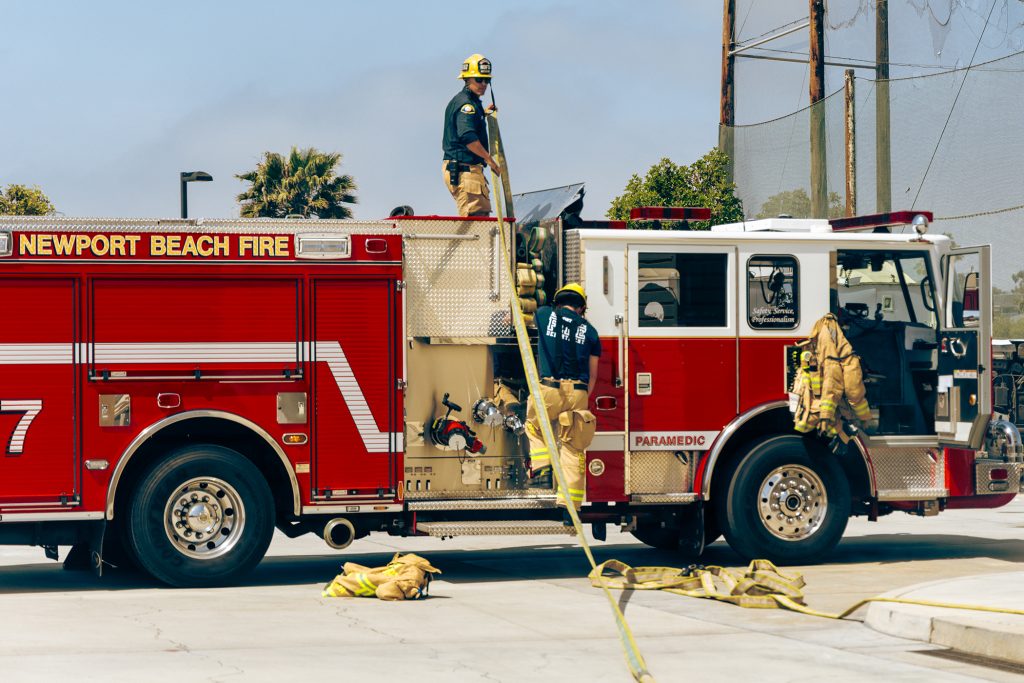
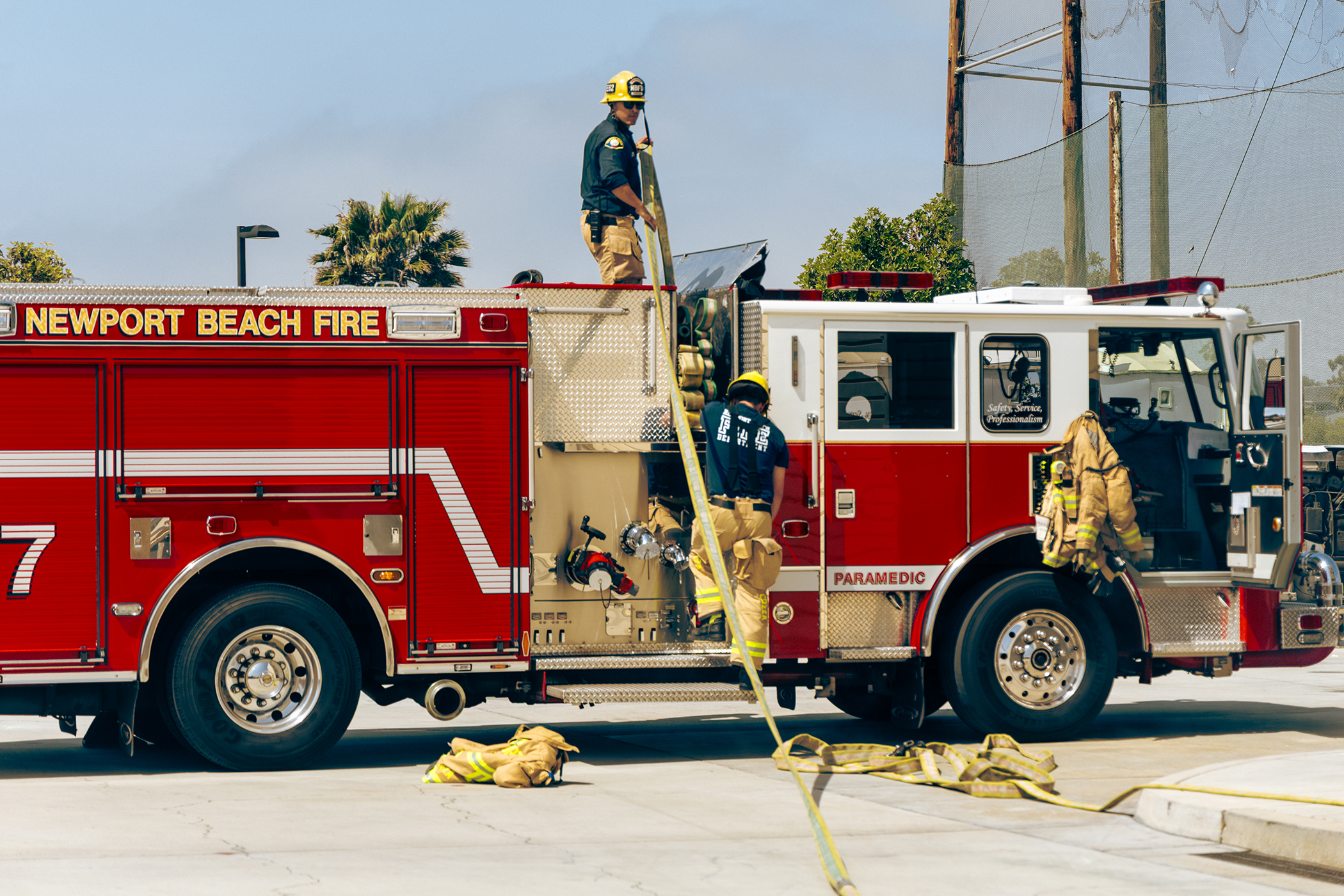
 NBFD crew loads hoses back onto the fire engine after a training exercise. Photo courtesy of NBFD.
By David Gibson, Newport Beach Fire Department PIO
As Newport Beach turns the page into 2026, the Newport Beach Fire Department (NBFD) is doing what it has become known for in recent years: taking a disciplined, forward-looking approach to public safety that blends modernization, measurable performance, and a strong focus on people.
Fire Chief Jeff Boyles describes the department’s priorities in plain terms. The mission is to protect the community, but the strategy starts closer to home.
“Our main objective is a continuation in partnership with city leaders to focus on overall employee health and wellness, and succession planning and development,” Boyles said in a recent discussion outlining the department’s year-ahead vision.
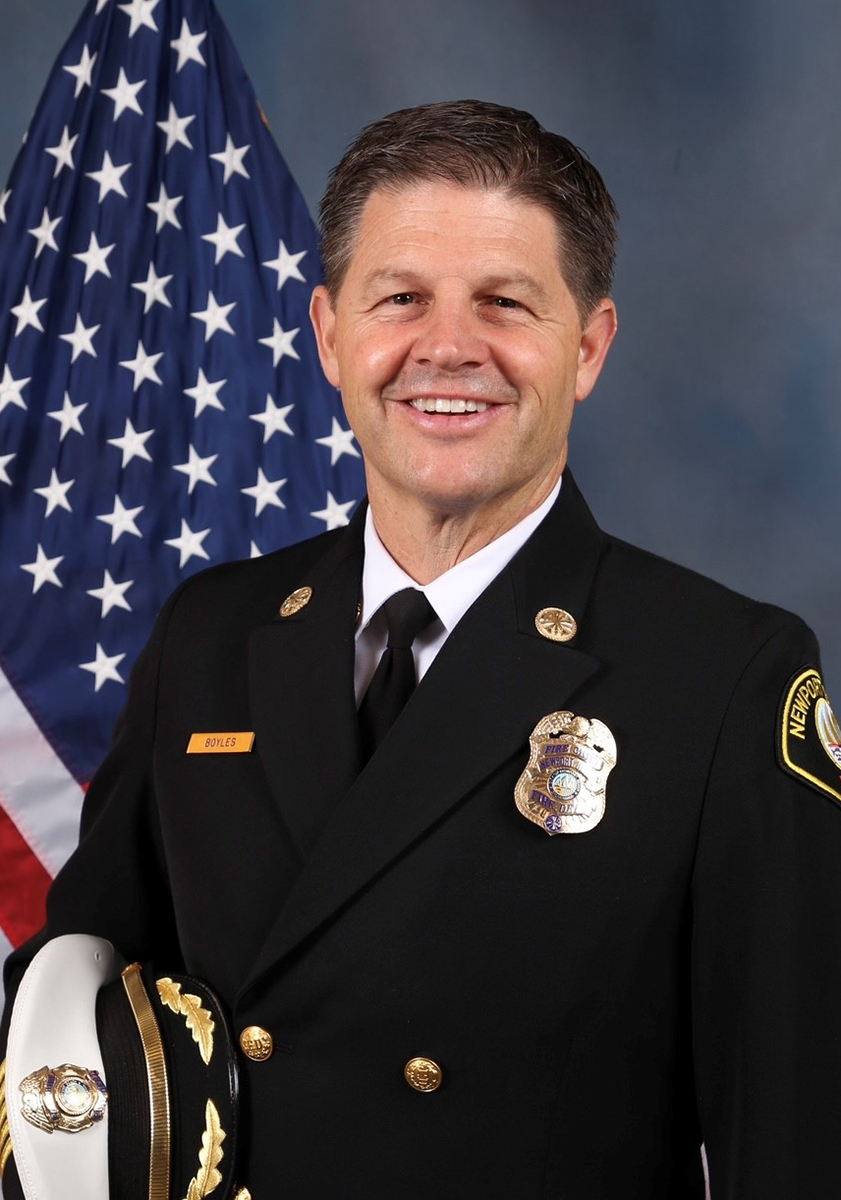 NBFD Fire Chief Jeff Boyles. Courtesy of NBFD.
That objective may sound internal, but it is closely tied to what residents experience every day, including response times, clinical outcomes, and the steady professionalism that shows up when someone calls 911 on what might be the worst day of their life.
The first major theme of 2026 is a deeper investment in firefighter and lifeguard wellness. Boyles points to a developing partnership with Hoag Hospital aimed at annual fitness and wellness checkups, designed to support long-term health and early detection of issues before they become major problems.
With support from the Newport Beach Fire Department Foundation, the department is also expanding cancer prevention and screening initiatives, including whole-body MRI screenings for personnel. It is a tangible example of a broader posture: take care of the team so they can take care of the city at the highest level.
Alongside screening programs, the department is continuing to improve station-based health, supports through updated fitness equipment, and better wellness-focused amenities.
The idea is simple: When personnel are healthier, injury rates drop, performance improves, and the department becomes more resilient under stress, especially in an era where call types have expanded far beyond fire suppression.
The second part of our main objective is less visible to the public but just as consequential: succession planning.
Newport Beach has benefited from stability in key leadership positions, but Boyles says the department is looking ahead to a period when retirements and career transitions will create natural attrition across the organization. Preparing for that now is part of ensuring the culture of excellence remains intact.
“We’re building a bench for the future,” said Chief Boyles, emphasizing a deliberate effort to develop the next generation of leaders, from company officers up through future chief officers, and across all divisions of the department.
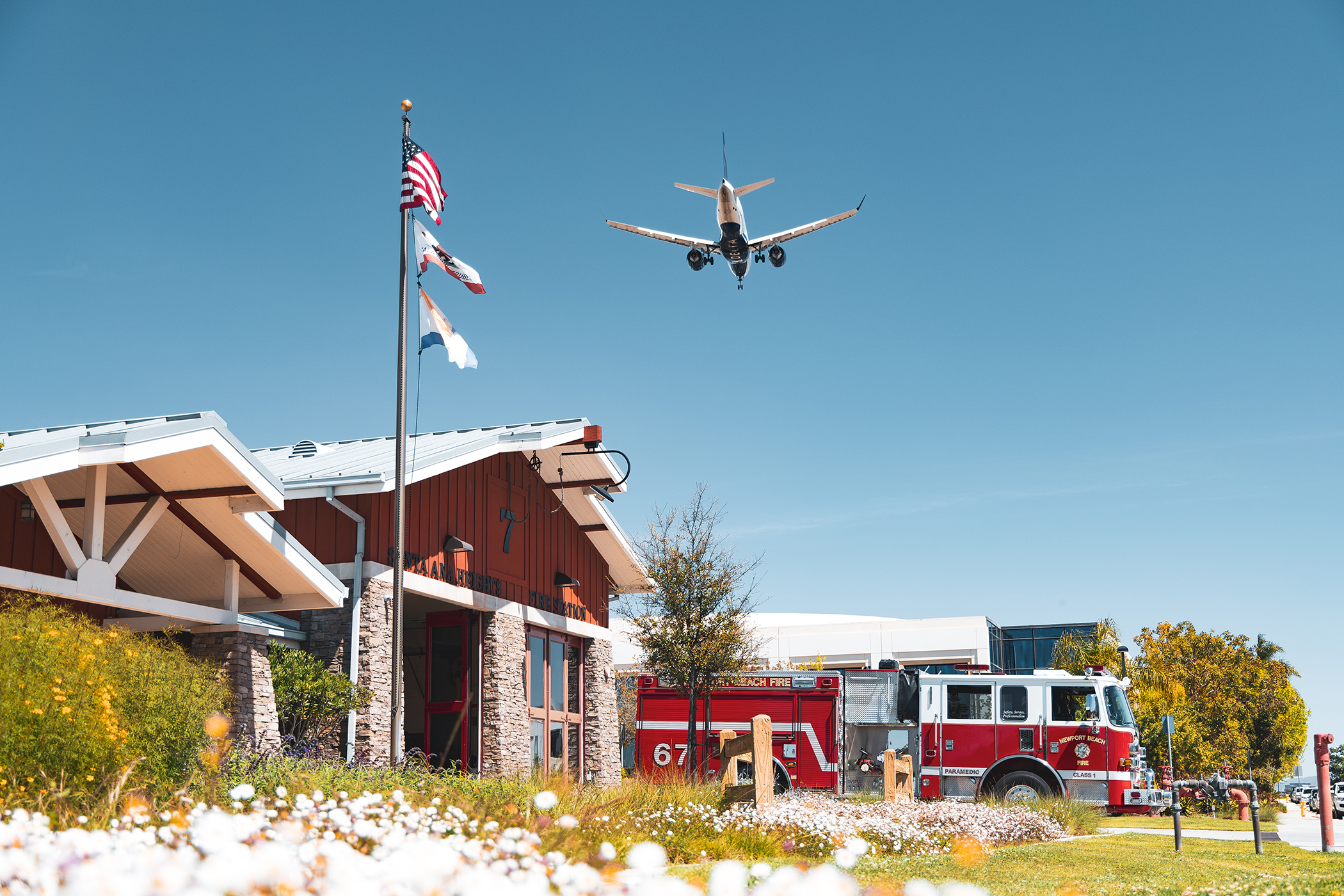 Santa Ana Heights Fire Station. Courtesy of NBFD.
The NBFD takes immense pride in cultivating our internal talent through intentional mentorship and personalized career mapping. Our commitment is to deeply invest in every team member, empowering them to master our high standards while preparing them to become the next generation of department leaders.
For residents, one of the most immediate impacts of staffing is what it does for readiness and reliability. Boyles notes that the department has hired and promoted a significant number of personnel in the past year, with the goal of restoring full operational strength.
If the department fills its remaining vacancies, 2026 could represent a milestone: being fully staffed in a way the organization has not experienced since before the COVID era.
“It’s been difficult to get people in the door, tested and onboarded, and successfully through probation while meeting our standards,” Boyles said.
With only a small number of openings remaining, he expects the department will likely hire again in the fall to finish filling out the ranks.
For a city that expects excellence, staffing is not just a numbers game. It is the foundation that supports rapid response, consistent training, and the ability to take on long-term projects without sacrificing day-to-day service.
If 2026 has a “headline” project residents will see taking shape, it is the Fire Station 1 and Library replacement effort on the Balboa Peninsula, a high-profile rebuild that touches both public infrastructure and emergency response.
After major facility achievements including the Corona del Mar station, Peninsula Station 2, and the Junior Lifeguard building, the city is moving toward a modernized Fire Station 1 footprint and design.
Boyles describes it as a major undertaking not only because of construction, but because of what it requires operationally.
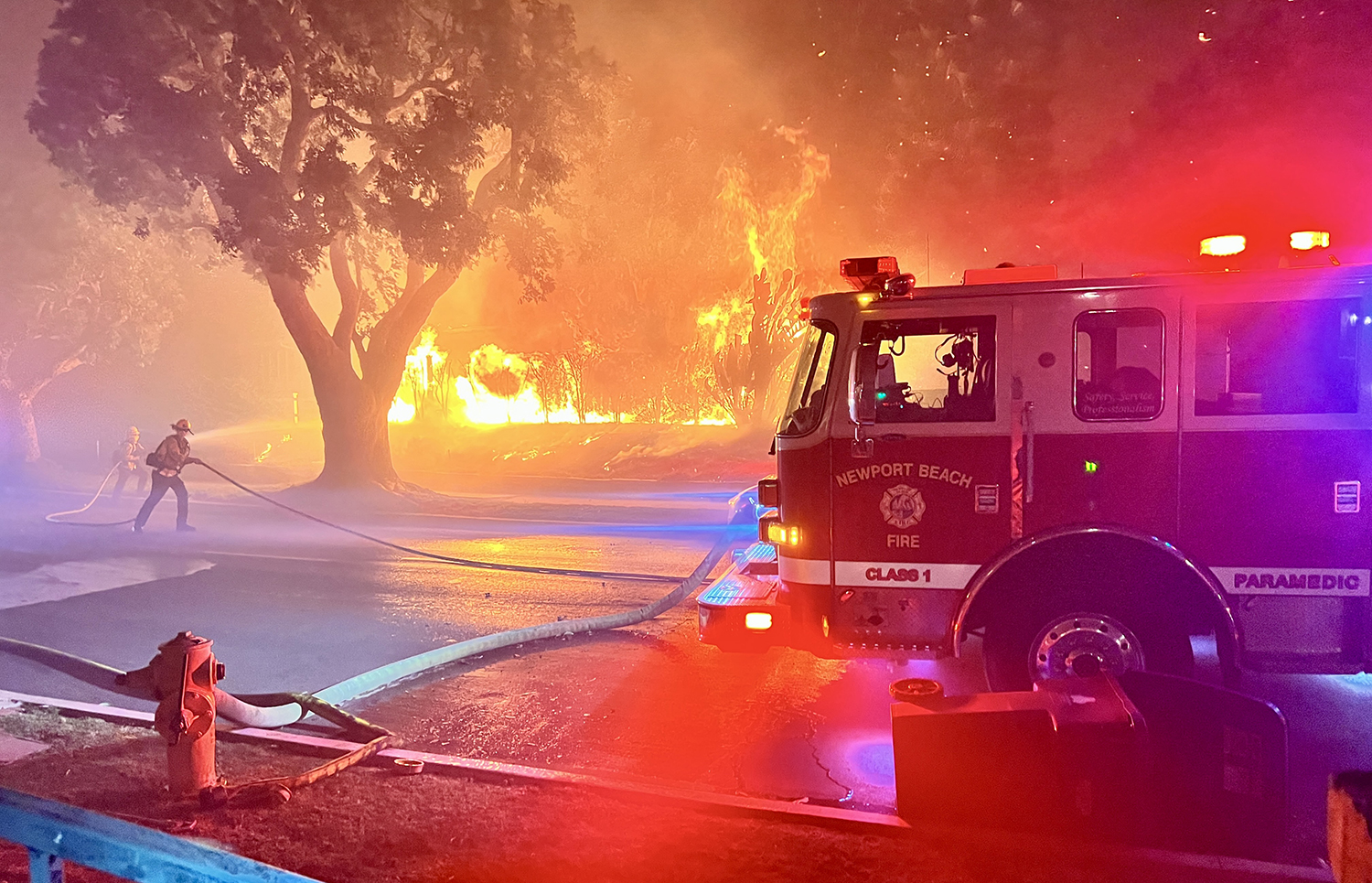 NB Fire Department at the Palisades fire. Photo courtesy of Adam Novak
Relocating crews during a major rebuild is an all-hands evolution that involves coordination across city departments and operational partners. The Utilities Department, Public Works Department, Admin Services Department, City Manager’s Office, City Attorney’s Office, and public safety coordination all play a role. It is complex, and it has to be done while maintaining service levels for residents and visitors.
What will residents notice when the new station comes online? Boyles points to something practical: response efficiency.
Because of the planned station location and layout, the new facility is expected to support quicker turnout times and improved access. Alerting systems will be upgraded, the design will support faster movement to apparatus, and the new configuration is intended to reduce delays that come with older station layouts.
In short, it is not a cosmetic upgrade. It is a modernization that is expected to improve readiness, improve daily functioning, and reinforce overall health and wellness for personnel who live and work in the station environment.
The other major theme of 2026 is equipment.
Boyles confirms the department is in the process of evaluating and preparing for the purchase of new cardiac monitors, a major investment expected to exceed $1 million. The intent is to select the best platform to support what the department already does at a very high level: delivering exceptional prehospital emergency medical care.
The purchase is significant on its own, but it also reinforces the department’s identity in today’s public safety landscape. While fire suppression remains a core mission, modern fire departments are increasingly defined by all-hazards response, and in coastal Orange County, emergency medical service delivery is at the heart of daily operations.
In addition to clinical equipment, the city invested heavily in frontline apparatus. With City Council support, Newport Beach invested more than $7.5 million over the past year in four new ambulances, four new fire engines, and a refurbished lifeguard boat, reinforcing the operational backbone that residents count on.
For the public, these investments translate into reliability. For the department, they also translate into safety, capability, and long-term readiness.
Asked how he defines success for a modern municipal fire department, Boyles does not reduce it to one metric. Instead, he frames success as both relational and measurable.
First, he says, success is communication and trust with the community. Residents need to understand the services the department provides and feel confident that the organization is equipped, trained, and ready.
Second, success is being data informed. Boyles points to metrics like response times and clinical outcomes as tools to guide decision-making and validate performance. At the same time, he emphasizes that data should inform leadership rather than drive it blindly.
The goal is not to chase numbers. It is to use performance data to stay honest, stay focused, and keep raising the standard.
Few metrics capture public attention like cardiac arrest survival, and Newport Beach has built a reputation for elite performance in this area.
Boyles attributes strong outcomes to a blend of factors: a deployment model designed for rapid response, consistent equipment and training investments, high engagement among personnel, proximity to Hoag Hospital, and the steady leadership from Emergency Medical Services Division Chief Kristin Thompson.
But he is quick to highlight a factor outside the department: the community itself.
Newport Beach residents are more likely to begin bystander CPR, he said, which buys precious time before crews arrive. In cardiac arrest, those first minutes are everything, and an engaged community becomes part of the chain of survival.
Behind the numbers, Boyles says, is a culture that treats clinical excellence as a point of pride and an ongoing responsibility.
“We have a culture in Newport Beach of winning,” he said. “Winning cultures feed on themselves.”
He describes a cycle in which performance fuels recognition, gratitude from families, and moments that stay with responders long after the incident ends. Those experiences reinforce training discipline and deepen commitment.
One example is the department’s routine “pit crew” CPR practice, a short, repeated training designed to build muscle memory and keep skills sharp. High-quality CPR is a perishable skill, and repetition is what turns training into instinct.
While medical response dominates daily call volume, 2026 also brings an opportunity to tell another story: wildfire readiness and the growing role of prevention.
Boyles points to the credibility built by Fire Marshal James Gillespie, and department personnel through consistent community engagement, especially around home hardening and defensible space concepts like “Zone Zero.”
The growing impact of our safety message is a direct result of both recent fire seasons and the department’s long-term commitment to building neighborhood trust. Today, we see a fundamental shift: more residents are proactively seeking guidance on home protection and community resilience. By focusing on these local partnerships, we have evolved beyond the rigid methods of the past toward a model of shared responsibility and active stewardship.
Beyond operational goals, NBFD will also help deliver a major community moment in 2026: Newport Beach is slated to host the California 2026 Firefighter Summer Games in June, bringing firefighters and athletes from across the state to Newport Beach.
Boyles calls it a demonstration of camaraderie and a chance to showcase Newport Beach, its public safety professionals, and the community itself. It also carries local benefits, including support for local businesses and a boost to civic pride.
Newport Beach is a city that hosts major events, from the Hoag Classic to elite beach competitions. Adding a firefighter-centered statewide event fits the city’s spirit and gives residents a new way to connect with the profession and the people behind it.
In practical terms, the 2026 vision can be summarized in what residents will see and feel.
They will see a department investing in the health of its workforce, not as a perk, but as an operational necessity. They will see continued hiring and training that reinforces standards and stabilizes staffing. They will see major infrastructure modernization, including the Fire Station 1 rebuild, designed to support faster, safer operations. They will see large-scale equipment investments, including new cardiac monitors and newly funded apparatus that reinforce readiness.
And when they call 911, what they should feel is the unspoken promise at the center of NBFD’s approach: personnel will be ready, equipped, trained, and committed, with a culture built to perform when it matters most.
In 2026, the NBFD’s vision is not just about what is new. It is about sustaining what has made the department exceptional and ensuring that excellence remains the standard for the next generation.
The Newport Beach Fire Department provides all-risk services to the community by protecting life, property, and the environment through prevention, training, education, and response.
For more information, please contact the Newport Beach Fire Department via email at PIO@nbfd.net.