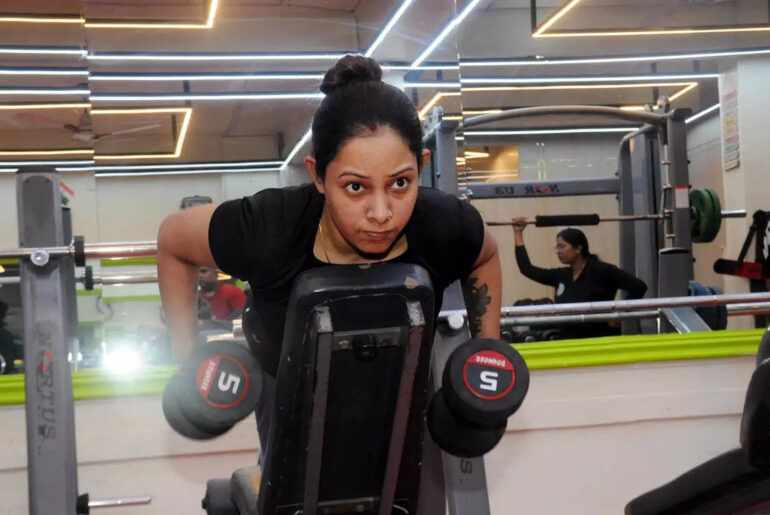
Exercise regularly and the chances are you’ll have a niggle or two, whether it’s an achy neck, sore knee or an annoying recurrent problem such as shin splints. The good news is a lot of injuries are down to the accumulation of bad habits, which means they’re easy to avoid. Here are some simple ways to lower your risk.
1. Mix up your workouts
A spin class may be your favourite at the gym, but it’s important to build in some variety. “Mixing cardio, strength and mobility ensures your heart, muscles and joints all get the attention they need,” says Siobhan Reynolds, a physiotherapist at Marylebone Health Group. If you do three to four sessions a week, “aim for one strength, one cardio and one flexibility session”. During weight sessions, focus on compound lifts that engage several muscle groups at once, such as squats.
• The best way to warm up? Use the Ramp technique
2. See a physio — even if you’re not injured
“Physiotherapy isn’t just for when you’re injured, it’s also a proactive way to keep your body moving well,” Reynolds says. “Regular check-ups can detect small issues such as stiffness, weakness or muscle imbalances before they develop into pain or an injury. During a routine appointment a physiotherapist will assess your movement, strength, posture and flexibility. This helps identify areas that need attention.”
3. Strengthen your glutes
Building up your glutes — aka your bum muscles — helps prevent injury elsewhere. These comprise the gluteus maximus (making up the bulk of the muscle), the gluteus medius and the gluteus minimus. “Building strength in the gluteus maximus is beneficial for everyday tasks that require power,” says Nell Mead, author of How to Be Your Own Physio. The medius — the upper buttock area — is important too. “When you walk, run or stand on one foot, the gluteus medius prevents your pelvis from dropping and your femur from rotating inwards.”
• Keep injuring yourself? Try these seven exercise swaps
4. Increase load steadily
Whether you’re training for a marathon or hitting the weight rack, the wisdom is not to increase your effort — whether that’s time, distance or load — by more than 10 per cent a week. “A simple approach might involve a four-week cycle,” Mead says. “Weeks 1-2 with higher volume and lower intensity, week 3 with lower volume and higher intensity, and week 4 when you reduce both volume and intensity for recovery.” Look out for signs of overtraining, such as persistent fatigue, mood changes and frequent illness.
5. Balance yourself out
Most of us are a bit lopsided. Try to become aware of any bad habits such as always using your dominant arm, carrying your bag on one shoulder or standing with your weight on one hip. “These can create imbalances over time,” Mead says. “Focus on varying the asymmetrical postures you adopt throughout the day.”
• The 10 exercise mistakes we all make and how to avoid them
6. Movement snacks
Thanks to smartwatches, we know we should be moving a little bit every hour or so. Mead suggests “movement snacks”, eg doing squats while the kettle boils or calf raises while brushing your teeth. “They’re ways of keeping your body primed and preventing it from stiffening up,” she says.