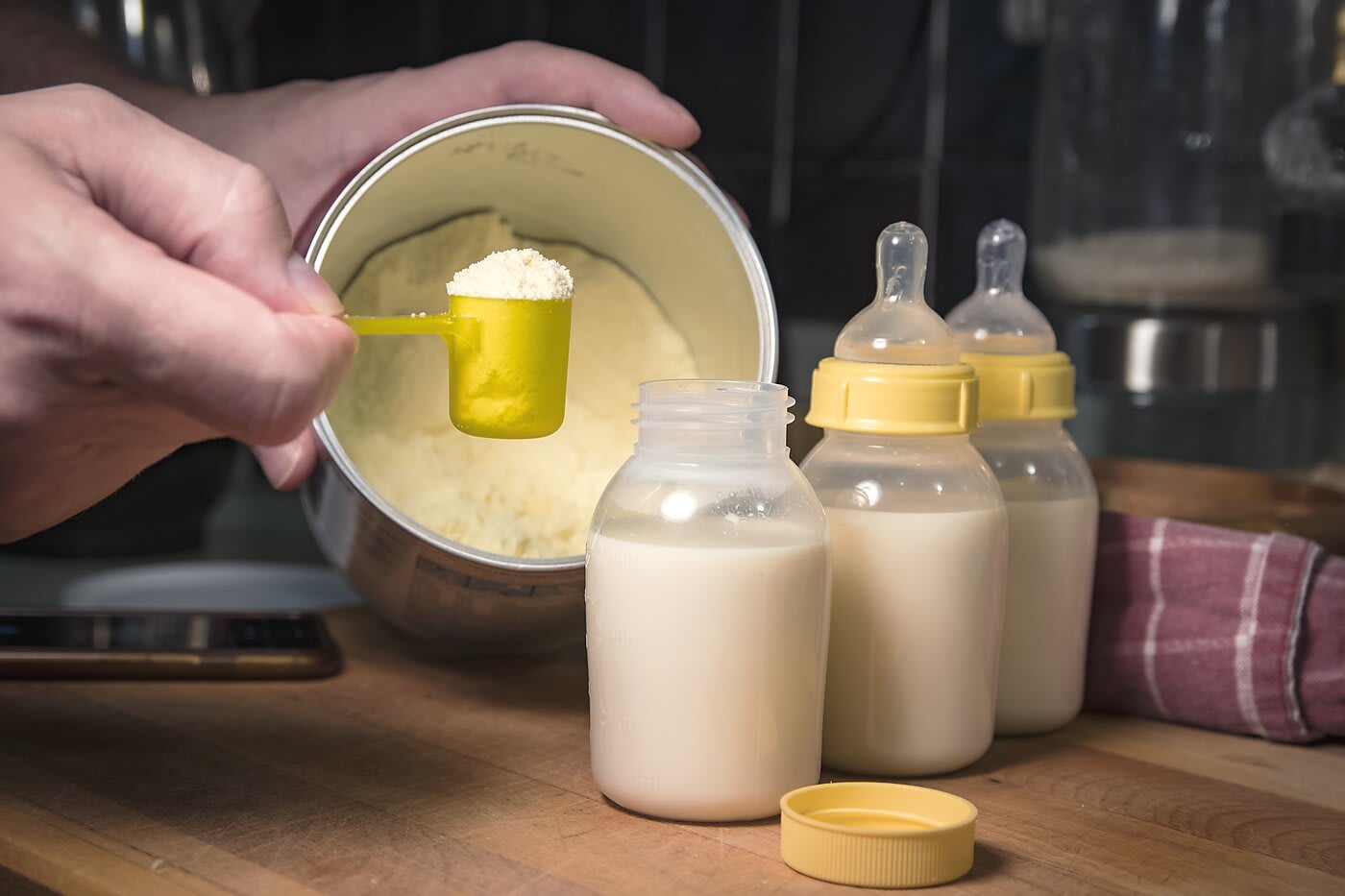
According to IMARC Group’s latest research publication, The global baby food and infant formula market size reached USD 53.73 Billion in 2024. Looking forward, IMARC Group expects the market to reach USD 84.06 Billion by 2033 exhibiting a growth rate (CAGR) of 4.58% during 2025-2033.
How AI is Reshaping the Future of Baby Food and Infant Formula Market
Personalized Nutrition for Infants AI can analyze an infant’s health data, dietary history, and allergy information to suggest customized formula options. Machine learning identifies links between formula ingredients and growth outcomes, helping parents trust that the nutrition is tailored for their baby.Quality Control and Safety AI-powered computer vision systems check for contaminants and quality issues during manufacturing. Automation can reduce inefficiencies by up to 20%, ensuring formulas are safe, consistent, and compliant with regulations.Predicting Demand for Smarter Production Machine learning studies sales history, consumer preferences, and external factors to forecast demand. This helps manufacturers reduce waste, maintain optimal stock levels, and adjust production quickly when market trends change.
Download a Sample Report for In-Depth Industry Intelligence
Baby Food and Infant Formula Industry Overview
The baby food and infant formula industry is growing fast because parents are more aware of nutrition and many families have both parents working. Busy households want convenient, healthy feeding options like ready-to-eat meals and instant formulas. The market offers organic, allergy-friendly, and premium products with nutrients like DHA, ARA, probiotics, and HMOs. Government programs such as WIC in the U.S. help ensure safety and access. E-commerce is becoming more popular, with over 20% of sales online, while supermarkets and hypermarkets continue to be important for variety and competitive pricing.
Baby Food and Infant Formula Market Trends & Drivers
The increase in working mothers is changing the baby food market. In 2022, around 61% of women aged 25–54 were in the workforce, creating high demand for quick and nutritious feeding options. Ready-to-eat meals and instant formulas help parents give complete nutrition without long preparation. Products like single-serve pouches, on-the-go snacks, and easy-to-mix formulas are becoming popular. Premium organic and natural options are especially in demand, with more than half of parents choosing organic. Manufacturers are investing in R&D to remove artificial additives and add beneficial nutrients. Government programs like India’s POSHAN Abhiyaan and China’s 2023 infant formula standards also support growth and quality improvements.
Online shopping and digital technology are changing how parents buy baby food. Platforms like Flipkart and Amazon in India saw 25% growth in sales year-on-year, showing parents prefer home delivery. Mobile apps and AI platforms provide personalized nutrition advice based on a child’s age, health, and diet. Brands like Danone offer tracking services, nutrition apps, and customer support from production to delivery. Subscription models give parents consistent product supply and provide manufacturers with reliable revenue. Social media monitoring with AI also helps companies understand parents’ preferences and improve products and marketing.
Parents increasingly look for formulas that address allergies, lactose intolerance, or digestive sensitivities, creating demand for hydrolyzed protein, goat milk, and plant-based formulas. Premium launches like Nestlé NAN Sinergity (with six HMOs and probiotics), Abbott’s Pure Bliss by Similac, and Bobbie Labs’ USDA Organic Whole Milk Formula highlight innovation in high-end products. Studies show HMOs could save 820,000 children’s lives annually by improving nutrition, which increases parental trust. Companies are also using sustainable packaging, like bio-based materials and QR codes, to appeal to eco-conscious parents and stand out in a competitive market.
Leading Companies Operating in the Global Baby Food and Infant Formula Industry
Abbott Nestlé S.A. Danone S.A. Mead Johnson & Company, LLC (Reckitt) The Kraft Heinz Company
Baby Food and Infant Formula Market Report Segmentation
By Type:
Milk Formula Dried Baby Food Prepared Baby Food Other Baby Food
Milk formula represents the largest class, accounting for around 54.9% of market share in 2024, as it is effective and provides essential nutrition as both a supplement and alternative to breastfeeding.
By Distribution Channel:
Supermarkets and Hypermarkets Pharmacies Convenience Stores Others
Supermarkets and hypermarkets have the largest market share at approximately 53.7% in 2024, owing to their wide product variety, competitive pricing, and high consumer foot traffic.
Regional Insights:
North America (United States, Canada) Asia Pacific (China, Japan, India, South Korea, Australia, Indonesia, Others) Europe (Germany, France, United Kingdom, Italy, Spain, Russia, Others) Latin America (Brazil, Mexico, Others) Middle East and Africa
Asia Pacific exhibits clear dominance in the baby food and infant formula market, accounting for over 48.9% of market share in 2024, due to high birth rates, growing middle class, increasing urbanization, and rising preference for premium formulas.
Recent News and Developments in Baby Food and Infant Formula Market
November 2024: Nestlé India announced plans to cease sales of refined sugar versions of its cereal-based supplemental food “Cerelac” in India, responding to growing demand for healthier baby food options without added sugars. November 2024: Perrigo Company plc revealed a new brand partnership combining Good Start and Dr. Brown’s infant formula solutions, expanding their portfolio to provide comprehensive nutrition options for American families. August 2024: Happa Foods became the first Indian baby food company to export baby purees abroad, setting new quality and safety standards in the global baby food market with organic and healthful options. August 2024: Abbott expanded its Pure Bliss by Similac family with European-formulated organic infant formulas, offering parents premium products made to European standards with high-quality ingredients. April 2025: Bobbie Labs introduced the USDA Organic Whole Milk Formula, marking the first product of its kind in the United States and reinforcing the shift toward organic, clean-label baby food.
Note: If you require specific details, data, or insights that are not currently included in the scope of this report, we are happy to accommodate your request. As part of our customization service, we will gather and provide the additional information you need, tailored to your specific requirements. Please let us know your exact needs, and we will ensure the report is updated accordingly to meet your expectations.