Filmmakers Biljana Tutorov and Petar Glomazić pull off a miraculous trick with “To Hold a Mountain.” What begins as a slow-burn observational documentary gradually reveals itself as an emotionally shattering meditation on grief and perseverance. Gorgeously shot with a quiet, deliberate rhythm, it’s the kind of film that entrances its audience without them noticing. Only at the end does the audience fully grasp the magnitude of the story it chronicles and the natural beauty of the images they have been witnessing all along.
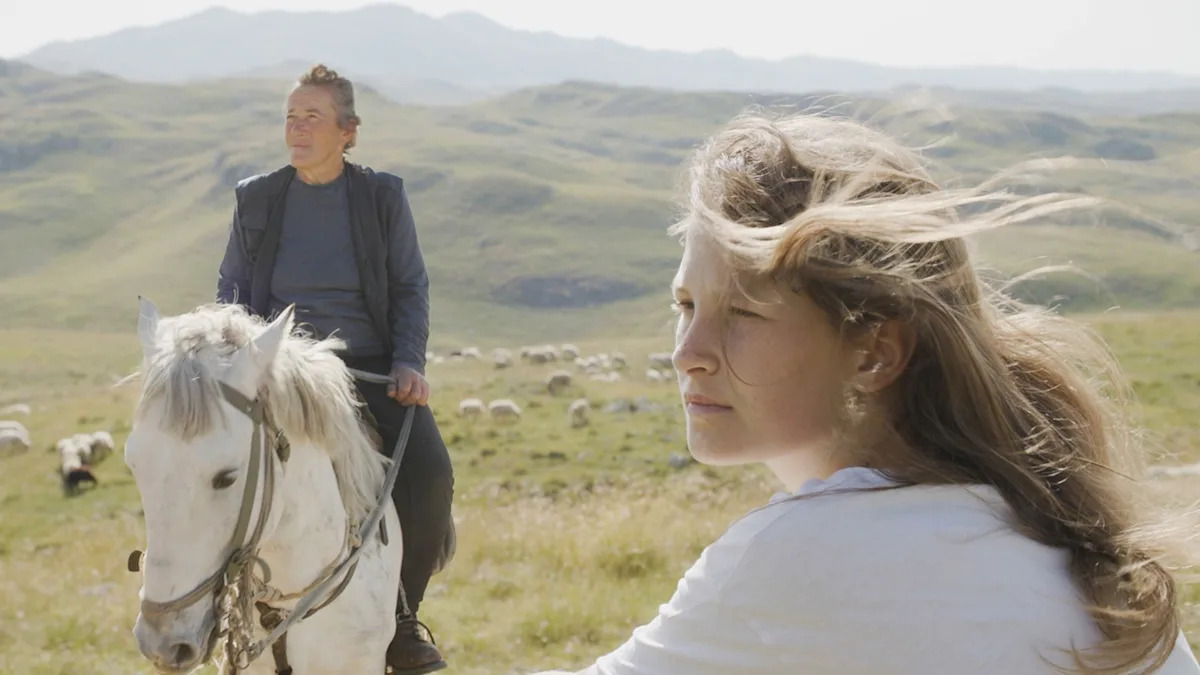
Filmed in the summer months in the remote highlands of Montenegro’s Sinjajevina plateau, “Hold a Mountain” follows middle-aged animal herder and farmer Gara. She lives a busy life on the mountain, full of constant, tiresome work on the terrain with the animals. Her 13-year-old daughter Nada spends some of the summer with her, but also has to leave for school for part of the time, leaving Gara lonely.
More from Variety
This intimate and tactile relationship between mother and daughter gives the film its gravitational center. The two are so close to one another, they even sleep on the same small bed. Gara is needy for Nada’s love and appreciation, always asking her to verbally confirm her love. A violent act in their past cemented their connection and Gara’s desperate but gentle need for constant validation from her daughter. “To Hold a Mountain” reveals this as softly and lovingly as Gara takes care of Nada. Their grief is rendered with the utmost sensitivity that the audience has no recourse but to share it with them.
While Gara and Nada’s bond forms the main narrative thread, “To Hold a Mountain” follows a few others. Gara is shown tending to friendships with the other women in this community as lovingly as she tends to Nada. There are scenes of shared laughter while they wash, dye and brush each other’s hair or milk cows and make cheese. These scenes unfold naturally without voiceover or intertiles to introduce these people, just a compassionate camera and filmmakers following Gara as she goes about her day.
Another thread that could have formed the bulk of the story — or another film entirely — is about Gara becoming an advocate for this highland community in the media and against the Montenegrin government. The army starts disrupting this tranquil life by conducting NATO-backed military training in the midst of this serene landscape. Gara naturally takes to the cause and emerges as first among equals.
The same tenacity she has for the arduous farmwork she applies here, rallying people for this just cause. But a film about a raucous activist would have had to be a rousing story, and “To Hold a Mountain” is too tender for that. Instead, Tutorov and Glomazić apply their same light touch to these sequences, making them fit well within the precise rhythm of Gara’s story. Being a leader in the larger world is as significant as her taking care of the animals.
In fact, the most thrilling scene in “To Hold a Mountain” is one where Gara and Nada carry a hurt baby calf downhill on a wheelbarrow. As they slowly descend, with the calf’s mother walking in tow, the audience realizes their connection to the land, to the animals and to each other. It isn’t romanticized at all; this is a hard job and it shows. Gara and Nada keep sniping at each other, but ultimately they get the job done in unison, as a family and as the rightful inhabitants of this land. The filmmakers capture all of this with such beauty and empathy, this exhausting undertaking appears lyrical on screen.
“To Hold a Mountain” doesn’t just capture the beautiful land and the sun rays on the mountaintops. Eva Kraljević’s camera is also attuned to the hands and arms as they work the land, and to the lined faces as they wince from the hard labor and smile as they enjoy camaraderie. The sound mix takes in the breath of animals and the heavy footsteps on the ground as if “To Hold a Mountain” was a big, thrilling movie and these were its very special effects. The end result is comparable: a captivated and moved audience.
“To Hold a Mountain” is quiet in its storytelling and appears small in its ambitions, but ultimately feels volcanic in the emotions it stirs.
Best of Variety
Sign up for Variety’s Newsletter. For the latest news, follow us on Facebook, Twitter, and Instagram.