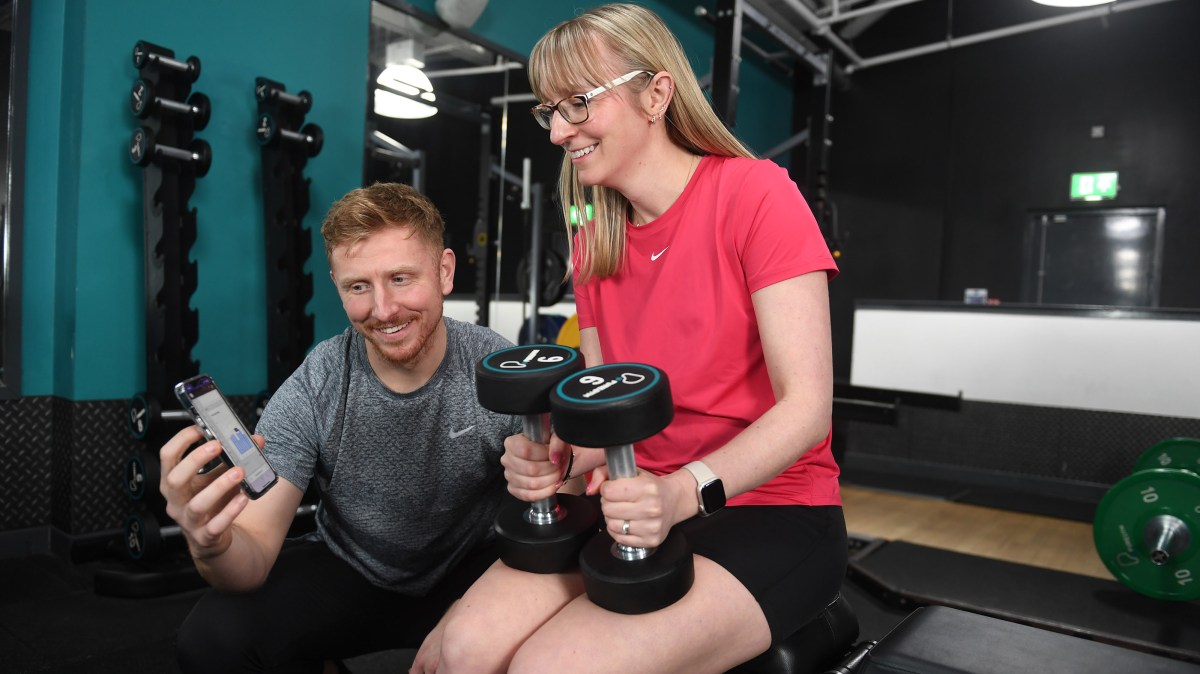
Monitoring heart rate, breathing efficiency and recovery to enhance performance is no longer the preserve of professional athletes.
The rise of wearable tech is helping gyms to turn into Big Brother, as personal trainers analyse their clients’ every move through smartwatches, exercise bikes and heart-monitoring headphones.
They say it’s the ultimate way to get fit, while acknowledging that clients who agree to be tracked to this extent must place great trust in their coaches.
Sales of home treadmills and smart bikes with five-figure price tags are booming.
Gareth Joyce, chief executive of the Wahoo Fitness brand of indoor cycling equipment, said the devices’ popularity was driven by a desire for data over guesswork.
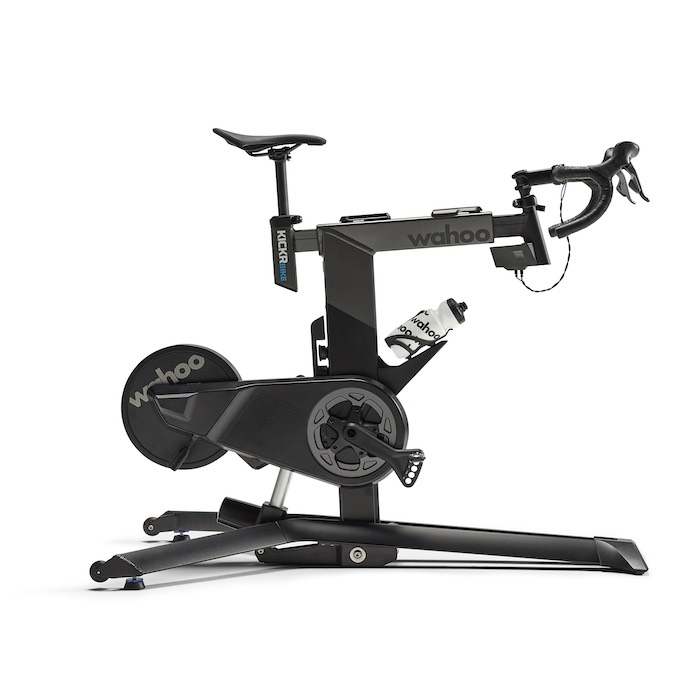
A Wahoo bluetooth-connected indoor bike
“Ten years ago a coach would ask, ‘How did that session feel? Now they can ask, ‘What actually happened?’
“That’s a big shift and one we’ve seen amongst all our customers, whether their coaches are people or software platforms. The data coming from wearables, bike computers, heart-rate monitors or smart trainers [wearable tech, as opposed to work-appropriate footwear] gives a much clearer picture of how someone is really training, recovering and adapting. It takes a lot of guesswork out of it.”
• The ultimate wellness wearables
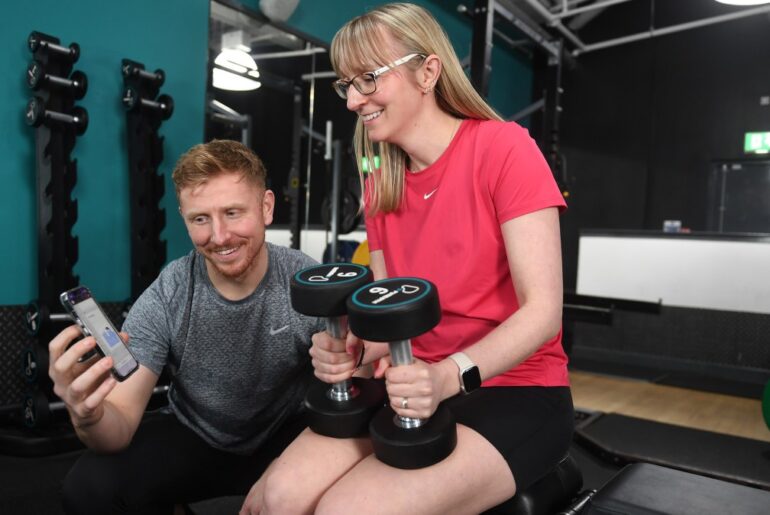
Matthew Solomons, a personal trainer in Glasgow, said that getting a complete picture of a client’s lifestyle makes it easier to help them achieve their goals.
“Using tech to track nutrition, fitness and sleep is about getting into better habits and mindsets,” he said.
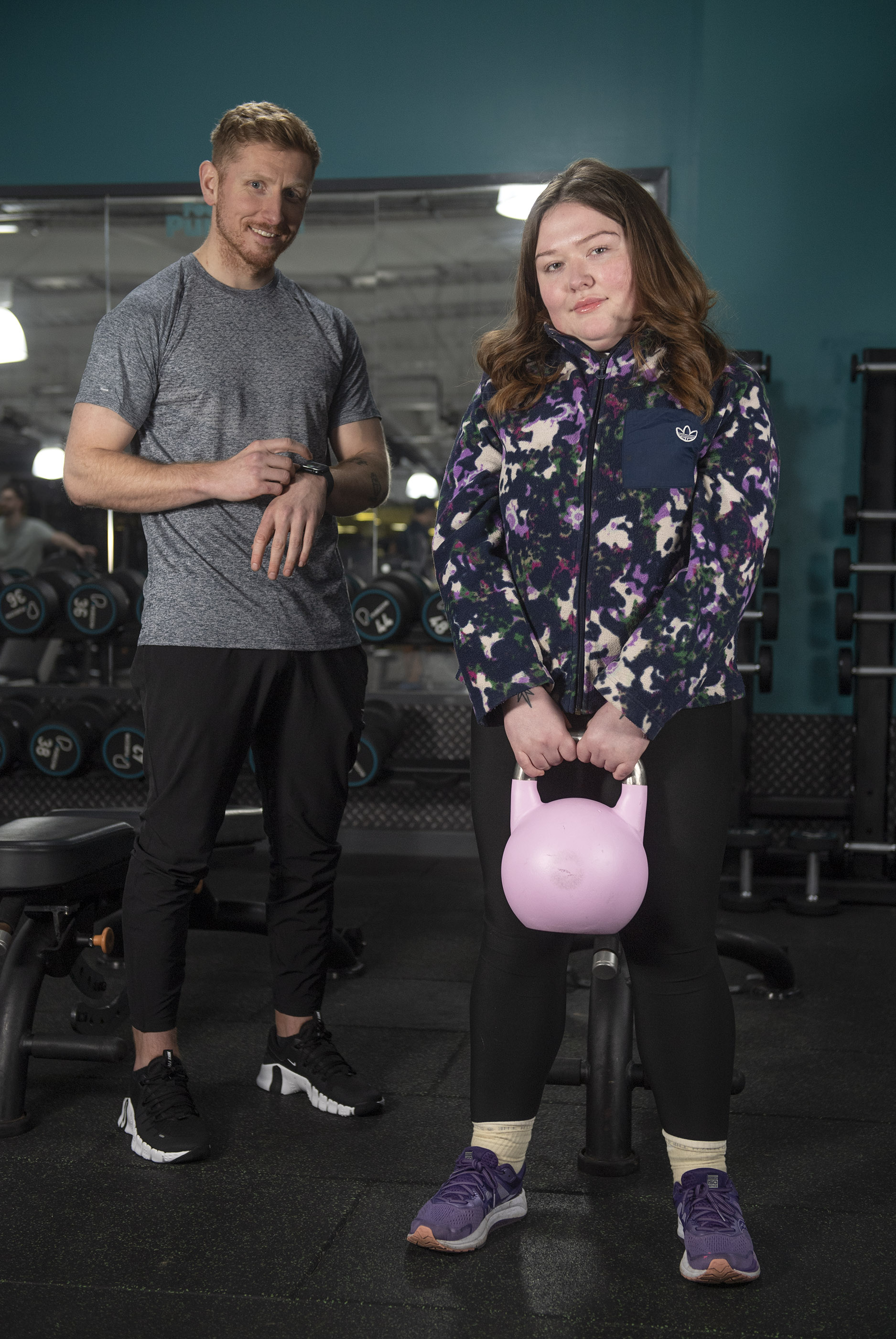
Solomons works with another client, AJ Glover
JAMES CHAPELARD FOR THE TIMES
“It does require a degree of trust — handing over your analytics [data] — but we work under coach confidentiality and believe it or not, my clients like being made accountable.
“Plus — if it was a Saturday night, say, and I could see they were out very late, or maybe their resting heart-rate was raised by … a date, then I wouldn’t comment on that.”
Solomons, who works at PureGym in Shawlands, says he is interested in a client’s overall wellbeing.
“For example, if you’re working out a lot but you’re not getting enough sleep, then you won’t be seeing the results of all your hard work with the exercise — and that can have a negative effect on mental health,” he said.
“By inputting their macros [consumption of carbohydrates, protein and fats] we can sort out snacking, mood and energy. The more data I can analyse, the more I can create a personal plan.”
The rise of smartwatches also help to hold gymgoers accountable, tackling the tendency to overestimate the amount they’ve actually exercised.
Nicola Tosh, 41, a bank worker living in Glasgow, started using a personal trainer after joining PureGym last year. Data on her workouts, steps, nutrition and sleep are shared with the PT’s personal website through Tosh’s Apple Watch and the smartphone app MyFitnessPal.
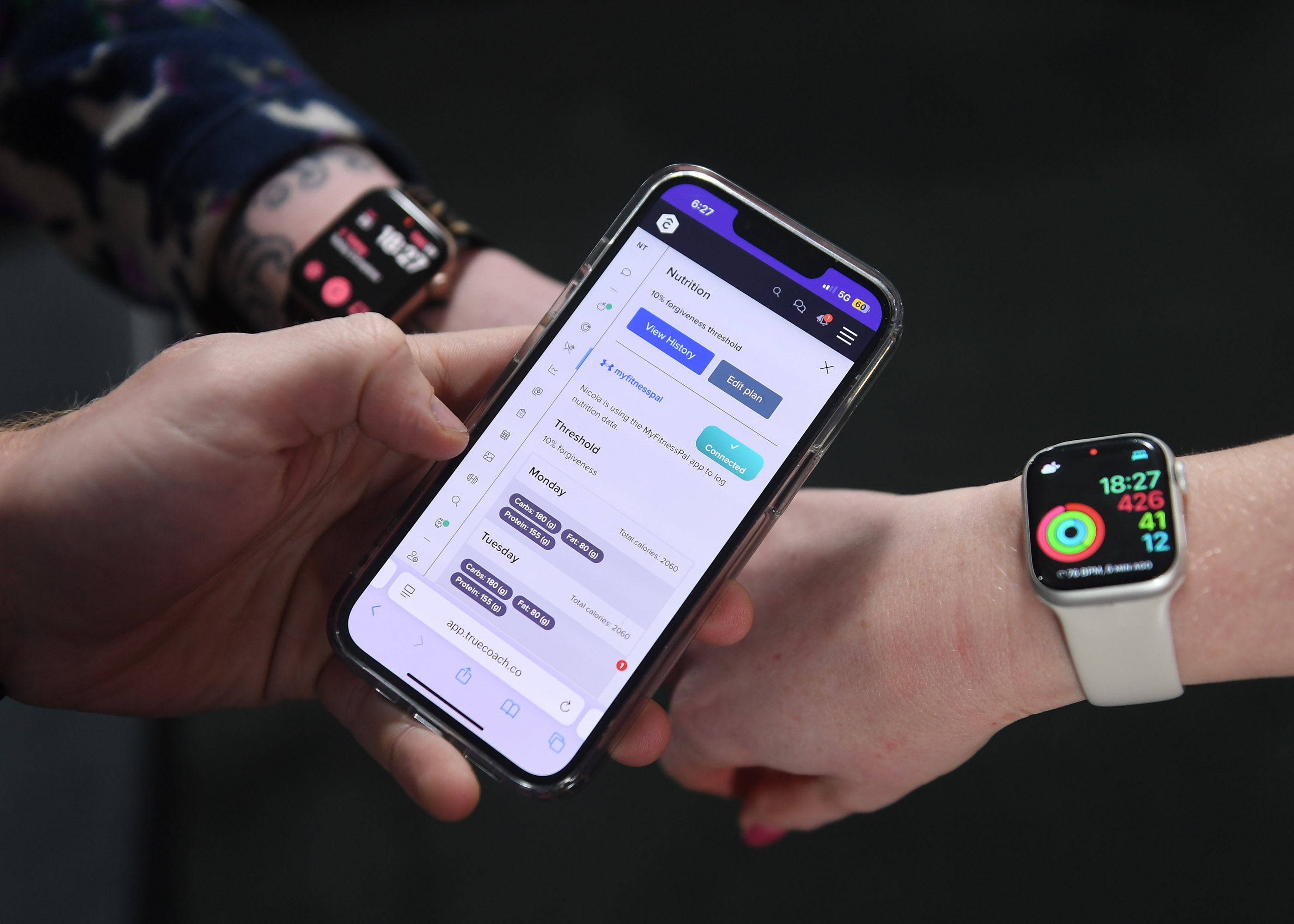
Solomons tracks his clients’ progress through apps connected to their smartwatches
“Someone else seeing when I wasn’t hitting my steps goals, for instance, and calling me out on it really helped,” she said. “You’re much more aware of your actions when you’ll be held accountable.”
Tosh said she had wanted to lose some weight but “didn’t have a clue about” how many calories to consume.
“Having my PT analyse everything made it make sense. I could see what I should be aiming for each day,” she added.
• Can an AI coach really be a better personal trainer than a human?
AJ Glover, 31, a student, said she was initially hesitant to let a PT to see everything she was doing.
“I wanted to get to know my PT first before connecting my Apple Watch to their coaching site but now it’s second nature to have everything analysed,” she said.
“Even just wearing a smartwatch is motivating — I move more when I’m wearing it and the analytics help me feel like I have control over my body and habits again. It’s definitely worked.”
Joyce adds: “People don’t just want to just exercise any more. They want to understand what that exercise is doing for them.
“You can now see in real time how your training, your recovery, even your sleep is shaping your performance. For anyone with an athletic goal, regardless of level, that visibility is incredibly motivating.”