At Apple Seeds teaching farm, in Fayetteville, Arkansas, the simple act of unearthing a carrot can be life changing.
Executive Director Mary Thompson remembers one child in particular, a fourth-grader who had just harvested a carrot. “He washed it and put it in his pocket. Later, he took it out and took a nibble like he was really savoring it, then put it back,” she says. “I told him we could harvest another carrot, and he said, ‘Oh my gosh, thank you. I’ve really, really been trying to save this to take home to show my mom. She would never ever believe where this carrot came from.’”
In Washington County, food insecurity rates are among the lowest in Arkansas. Those low rates are driven at least in part by over many years of remarkable community-driven hunger relief efforts there.
Since 2007, Apple Seeds, a nonprofit, has worked to teach children about the wonders of fresh produce and inspire healthy eating through garden-based education. Recently, this mission took on new urgency: The state of Arkansas has had the highest rates of food insecurity in the nation for three years running, according to the U.S. Department of Agriculture’s (USDA) latest Household Food Security report.
In Washington County—where Fayetteville is located—food insecurity rates are among the lowest in Arkansas. Those low rates are driven at least in part by many years of remarkable community-driven hunger relief efforts there, led by Apple Seeds and the Arkansas Hunger Relief Alliance (AHRA), in collaboration with the Fayetteville Public School District.
The 2025 One Big Beautiful Bill terminated SNAP-Ed and trimmed funding for the Farm to School program, among other budget cuts. The federal policy changes, which reduced nutrition education for children and are likely to exacerbate food insecurity for many Americans, are affecting Fayetteville too.
While only a small portion of farm to school grant funding has been reinstated for 2026, most of Fayetteville’s efforts continue regardless, providing a look at how proven solutions are adapting to address hunger.
Fighting Hunger in Fayetteville
Nearly 20 percent of Arkansas households lacked adequate access to nutritious foods in 2024, based on the most recent USDA data available. That equates to nearly 600,000 Arkansans facing hunger, as well as 1 in 4 children.
Washington County had one of the lowest food insecurity rates in Arkansas at 17.4 percent, according to the most recent Map the Meal Gap data collected in 2023 by Feeding America. Though higher than the national average of 13.5 percent, it is significantly lower compared to other areas in the state, such as Searcy County, where 24.3 percent of residents experienced food insecurity that year.
For Searcy County children, the rate was much higher than for the county’s general population—32.2 percent—which is a common pattern in counties across the state. Washington County, however, is an outlier; the rate of food insecurity among children there in 2023 was lower—16.8 percent—compared its general population. And Washington County’s childhood hunger rate was the second lowest in the entire state.
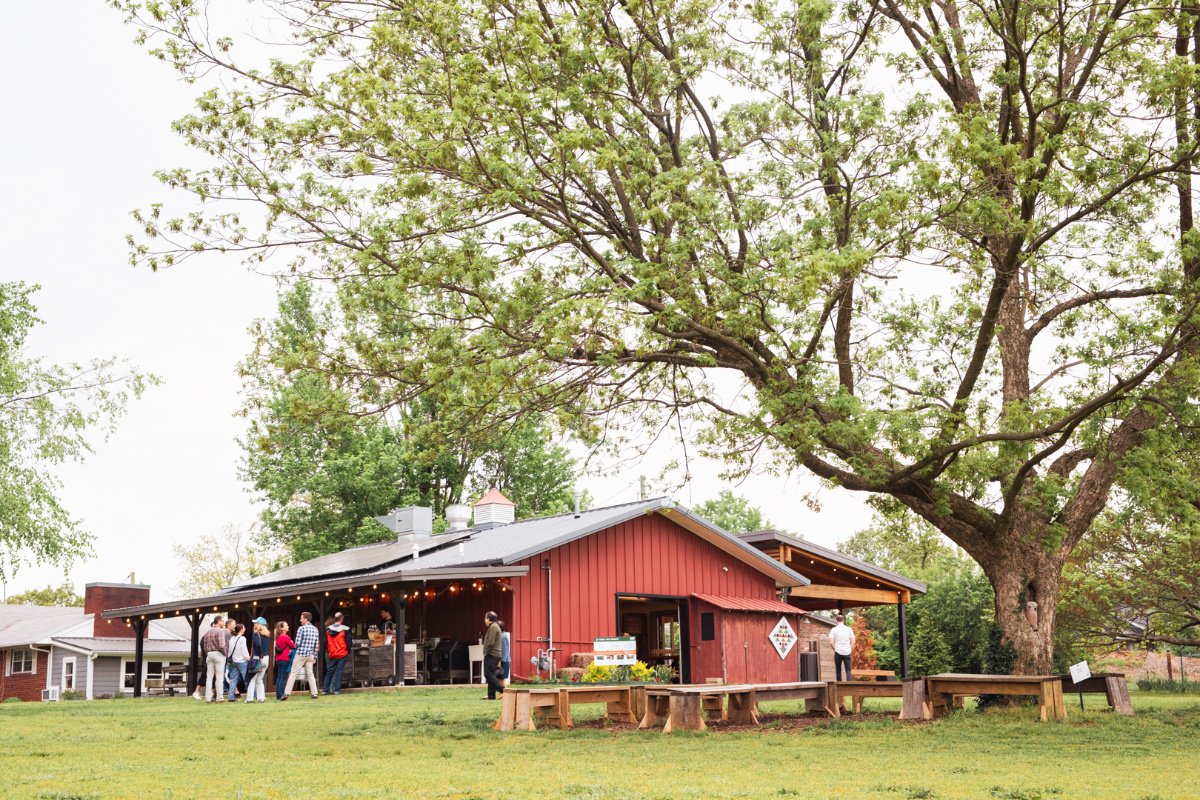
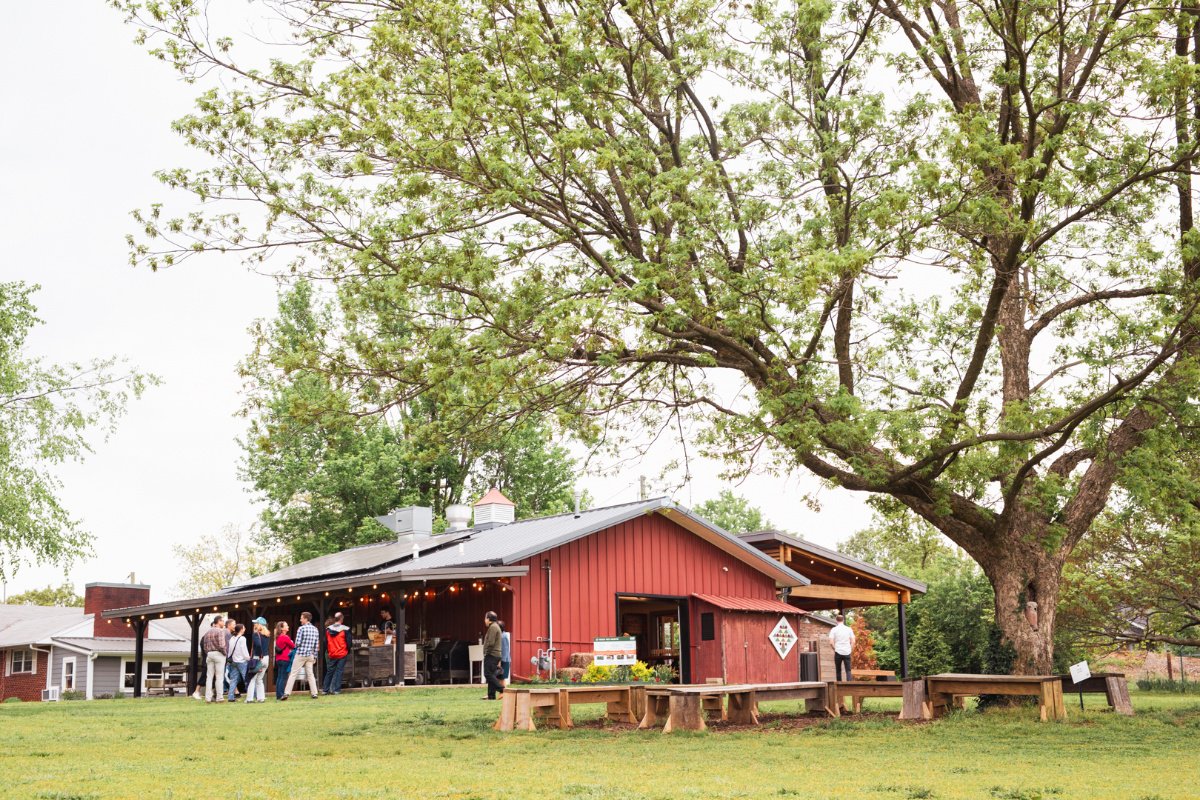
Apples are just one of many kinds of fruits and vegetables that grow on the two acres of land that make up Apple Seeds Teaching Farm, which students can pick themselves and enjoy as a healthy snack. (Photo courtesy of Apple Seeds)
These numbers reflect local efforts to focus on students. The work spans the public and private sectors: For roughly 20 years, nonprofit organizations like Apple Seeds and the AHRA, in collaboration with the Fayetteville Public School District, have shown how giving kids access to fresh produce and helping them have positive experiences with vegetables early in life can have lasting and far-reaching impacts.
The AHRA started working to boost food security in 2004. The Little Rock–based nonprofit began as a coalition of six Feeding America food banks in the state, which continue to operate. In addition to providing food for Arkansans in need, AHRA also partners with local and federal organizations on advocacy and educational programming to mitigate hunger in the long term. This includes everything from leading cooking classes to helping people enroll in the SNAP program to coaching volunteers on how to ask lawmakers to negotiate additional funding for the program.
Another driving force is the Fayetteville Public School District, which created edible gardens at its 17 schools between 2009 and 2014. In 2013, the school district received a $99,000 USDA Farm to School grant to expand a sustainable farm-to-school program, and in 2021 it received a second Farm to School grant for $82,000, but this latter grant was never implemented due to COVID restrictions and staffing issues. Currently, the gardens are managed with $450 per school per year.
In 2015, Apple Seeds signed a 20-year lease for 2 acres from the City of Fayetteville at no cost—the land was a gift from the city “in exchange for the services we provide the community,” said Thompson. They built a barn with a kitchen and dining space, placed wooden benches in a semicircle around an old pecan tree for an outdoor classroom, and cleared a plot to plant vegetables. The teaching farm is just 14 miles from the Northwest Arkansas Foodbank, one of the six food banks that form the AHRA.
“While they might not have [had] any interest in trying broccoli at first, if they grew it,…they would literally eat the broccoli off the plant.”
The initial Apple Seeds curriculum was created with the Arkansas Children’s Research Institute, based on seven years of lessons developed by the Fayetteville Public School District. The curriculum covered nutrition, cooking, and gardening with hands-on activities in the school gardens and field trips to the Apple Seeds teaching farm.
In 2018 came a moment of synergy: The farm, the research institute, and the school district combined forces with the AHRA to further develop the on-farm curriculum with components of the AHRA’s nutrition education program, Cooking Matters.
“I learned with my own kids that while they might not have [had] any interest in trying broccoli at first, if they grew it, we wouldn’t even bring it inside; they would literally eat the broccoli off the plant,” says Stephanie Jordan, a nutritionist and the school district’s part-time garden coordinator.
Jordan helps kids plant, harvest, sort through seed catalogs, study pollinators, manage a compost bin, and supply leafy greens to the cafeteria salad bar. Jordan’s enthusiasm for these programs is formidable, limited only by resources.