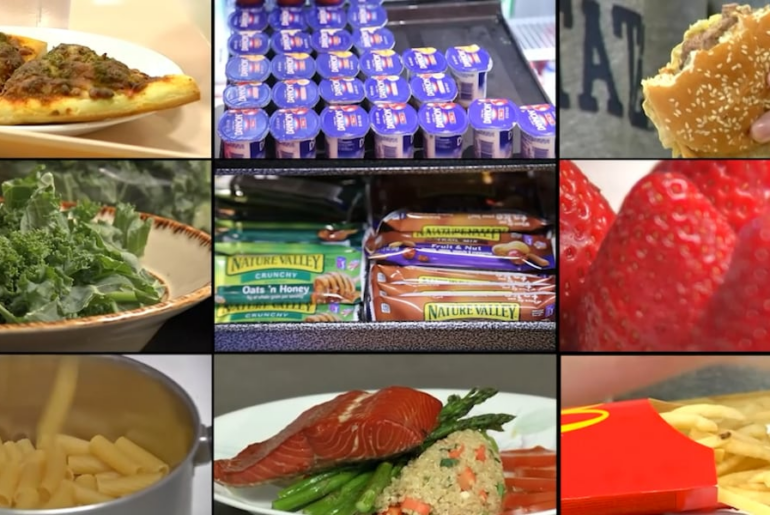
From searching for foods that match GLP-1 and protein-intake goals to planning nutritious home-cooked meals and home-prepared snacks, today’s consumers are increasingly making food purchases through a health and well-being lens.
Grocery stores play a central role in this decision-making, according to The Power of Health and Well-Being in the Food Industry report from FMI — The Food Industry Association. Grocery stores are essential venues for promoting health and well-being, the report found, and grocers are increasingly viewed as leaders of “retail health,” offering not only nutritious foods but also dietitian-led services, preventive screenings and wellness initiatives. These efforts are often supported by collaboration with manufacturers and community partners, positioning the store as a hub for both access to nutritious food and health-related services. These initiatives are particularly important for shoppers in food deserts with limited access to fresh produce, underscoring the need to broaden perception of where nutritious, “real food” can be found throughout the store. National Canned Food Month, celebrated in February since 1987, was created to recognize the significance of canned foods and highlight their convenience, affordability and role in providing nutritious, shelf-stable food options.
Redefining “real food” in the center store Zanobini
“Understanding that canned fruit is real food is especially important today because many shoppers equate ‘processed’ with ‘unhealthy,’” said Chris Zanobini, executive director of the California Cling Peach Board. “Canning is a time-tested preservation method that helps deliver consistent nutrition, affordability and accessibility without artificial additives.”
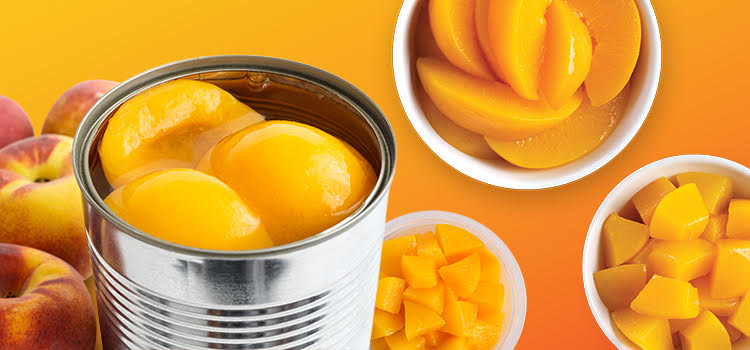
Within the canned fruit category, “real food” begins with whole, recognizable ingredients handled to preserve natural nutrition, safety and flavor, according to the California Cling Peach industry. Canned California Cling Peaches, for example, begin as fresh peaches grown on family farms, harvested at peak ripeness and preserved with minimal processing – often just peaches, water or juice, and sometimes a light syrup.
“Canned peaches offer long shelf life, year-round availability, consistent quality, accessibility and ease of use, making them a reliable fruit option for busy households,” Zanobini said. “They offer value, long shelf life and zero spoilage risk, help families meet fruit intake goals affordably and can be used across meals, from breakfast to desserts, without waste.”
Nutrition preserved – and at times, enhanced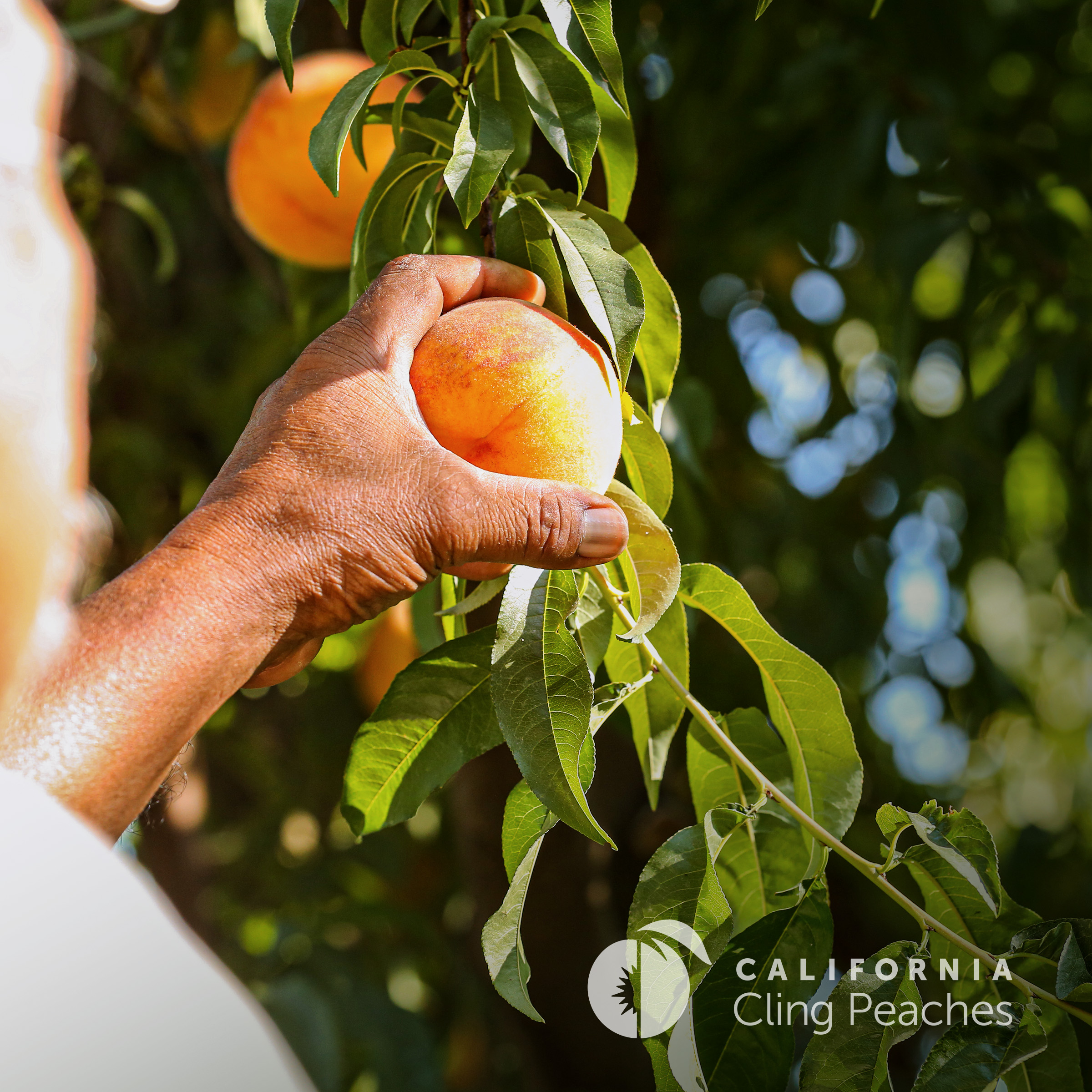
Supermarket dietitians may still encounter skepticism in the canned food aisle, as canned fruits and vegetables are often perceived as less nutritious. However, the canning process preserves most minerals, fiber and vitamins, according to Colorado State University’s College of Health and Human Sciences, and the heat used in canning makes certain antioxidants more available for the body to use.
Because California Cling Peaches are harvested at peak ripeness – when flavor and nutrients are naturally at their highest – and are delivered to nearby canneries within hours of harvest, the farm-to-can timeline minimizes nutrient loss and helps lock in key vitamins like vitamin C and potassium, as well as fiber – nutrients that might otherwise degrade in fresh transport, Zanobini explained.
“Dietitians should encourage consumers to look for ‘no sugar added’ claims, peaches packed in 100% fruit juice or water and short ingredient lists with no added sweeteners,” Zanobini said. “These options provide natural fruit sweetness with essential nutrients.”
Better for the planet – and the wallet
 Canned foods are not only convenient, they are also typically less expensive than fresh items and offer consistent pricing regardless of the season, according to Michigan State University Extension research. As a result, they can help families maintain a nutrient-dense pantry, even when fresh food supplies run low.
Canned foods can also be used across all dayparts — from morning smoothies to savory dinners — maximizing the utility of every purchase. And, even the steel can itself is the most recyclable food package in the world, supporting a circular economy and aligning with consumer sustainability priorities.
California-grown peaches support domestic agriculture by directly supporting family farms, US jobs and a shorter, more reliable supply chain that benefits retailers and consumers alike, Zanobini said.
“California Cling Peaches are a unique variety grown specifically for canning, offering superior texture, flavor and nutrition,” he said. “US origin ensures high food safety standards and quality.”
As conversations around healthy food access, affordability and sustainability evolve, shelf-stable foods are increasingly part of how retailers and dietitians can help shoppers build resilient, nutritious pantries, regardless of season or location.
Recent related stories:
_____________________________________
If you liked this article, sign up to receive one of SmartBrief’s Food & Beverage newsletters. They are among SmartBrief’s more than 250 industry-focused newsletters.