From supplements that promise better blood pressure to foods said to protect your brain or boost immunity, health advice is everywhere. This week’s roundup takes a closer look at popular nutrients and foods in the spotlight, what the research actually shows, and where the hype falls short.
1. Zinc Could Improve Blood Pressure If You’re Deficient 💊
Zinc is a common mineral found in multivitamin supplements and in foods like oysters, lentils, pumpkin seeds, and fortified cereals.
Some research suggests zinc may help lower blood pressure by helping blood vessels relax. However, that effect was only seen in people who were deficient in the nutrient.
Even if zinc slightly improves blood pressure, it won’t provide the same level of control as prescription medication or long-term lifestyle changes that support healthy readings. Zinc supplements also aren’t safe for everyone. They can interact with certain medications and may interfere with how your body absorbs copper, another essential nutrient.
2. Eat Eggs to Support Your Brain 🥚
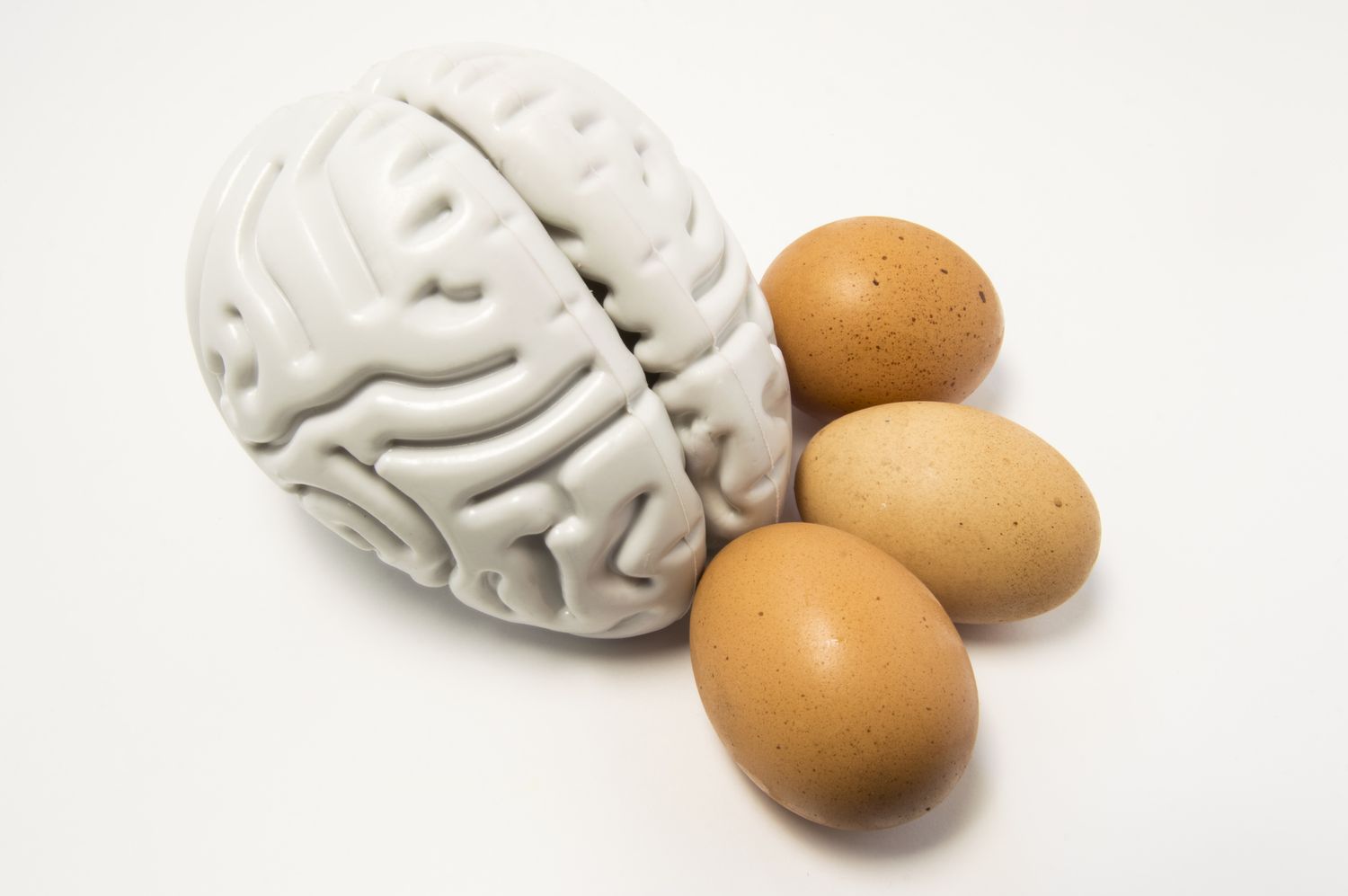
One of the most notable nutrients in eggs is choline, which plays a key role in brain function.
A recent study found that lower choline levels were linked to several Alzheimer’s risk factors, including insulin resistance, inflammation, and liver dysfunction. Researchers also observed that people with obesity and low choline levels had changes in a blood marker associated with damage to brain cells, which may occur years before an Alzheimer’s diagnosis.
Choline deficiency is relatively common, but eggs are an excellent source of the nutrient. They’re also a versatile food that can be easily added to meals and snacks throughout the day.
3. Try Kimchi for Immune Support 🥬
Kimchi, a traditional Korean dish made from fermented cabbage and popular for gut health, may also help support the immune system. In a small study, people who were overweight and consumed kimchi powder showed positive changes in immune cell activity.
More research is needed to confirm these effects, but kimchi already offers benefits such as reduced inflammation and probiotic support for gut health. Still, it may not be the best choice if you need to limit sodium, since kimchi is typically high in salt.
4. Check Your Vitamin D Levels If You’re Exhausted All the Time 🌞
Winter is when many people start worrying about vitamin D, since shorter days make it harder to get enough sunlight. But a lot of people don’t realize their vitamin D levels are low and dismiss their symptoms.
Teresa Maalouf, MPH, an editor at Verywell, recently learned that a vitamin D deficiency was behind her constant exhaustion. After taking a supplement consistently, she noticed significant improvements in her energy. Read her first-hand account of navigating this common vitamin deficiency.
5. Skip Omega-3 Supplements for Blood Sugar Control 🐟
Omega-3 fatty acids are often praised for their health benefits, especially for heart health. One common claim is that omega-3 supplements can also improve blood sugar levels, but the evidence just isn’t there.
High blood sugar is often linked to conditions like diabetes, which require medical care and sustained lifestyle changes to manage. While omega-3 supplements can be part of a broader approach to improving overall health, they aren’t a solution to blood sugar control.

Abby Norman is a writer and editor with more than a decade of experience in the healthcare industry.
Thanks for your feedback!
What is your feedback?
Helpful
Report an Error
Other