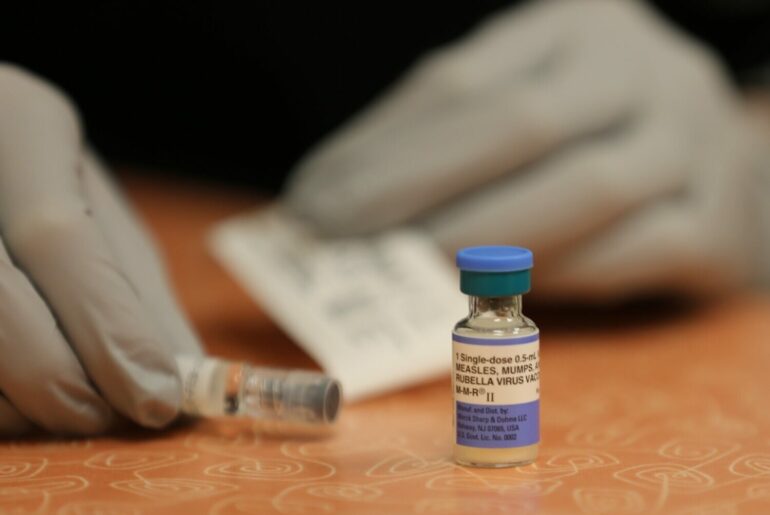
It has been almost six years since the world went into chaos due to the unprecedented attack of Covid-19. The pandemic left so many of us shaken and even traumatized. Losing loved ones to the dreaded disease and or getting infected and surviving yet suffering the long-term effects of the viral infection can scare us for life.
Now comes the threat of the Nipah virus. Nipah is not a new kid on the block. It has been present for many years. It can be fatal and occurs approximately every year in parts of Asia, specifically Bangladesh and India, according to the US Centers for Disease Control and Prevention. Nipah virus can be spread from person to person, but mainly by fruit bats, with an around 40 to 70 percent mortality rate. To date, there is no known cure or vaccine available for the said virus.
Should we panic now? Is this going to be another Covid-19 or worse? On a social media post made on Jan. 28, 2026, by Dr. Edsel Salvana, a fellow columnist at The Manila Bulletin and medical expert specializing in infectious diseases, clarified that there are no suspected local cases so far and that Nipah has a low pandemic potential owing to the fact that it is not efficiently transmitted between humans.
“This is not another Covid-19. No need to panic. Stay alert and listen to reputable agencies like the Department of Health (DOH) and the World Health Organization (WHO) for advice, and stay away from fake news. Stay safe!”
If you were spared from getting infected by the Covid-19 virus or fortunate enough to have survived the disease, your immune system is tougher than you think. After all, there is no cure for viral infections. We can only prevent it through available vaccinations that can help our immune system recognize the threat and suppress it, or in the absence of vaccination. We fully rely on our own built-in defense system: the immune system. Medications being given during illness are all supposed to address symptoms and not kill the cause of the infection. What could kill the virus are the immune cells that our body naturally produces. Unfortunately, if we are undernourished, we may not have adequate nutrition to help the immune system produce immune cells to fight the infection. This is the reason why a common flu infection can kill a person who is immunocompromised or has a very weak immune system.
In combination with an active lifestyle, adequate rest and sleep, avoidance of smoking, alcoholic beverages, illegal drugs, and stress management, one must have a regular nutrient-dense diet composed mainly of wholesome, minimally processed plant food sources. Fruits, vegetables, whole grains, nuts, and seeds contain plant chemicals or phytonutrients that decrease oxidative stress, promote cellular repair and prevent or quell inflammatory responses related to infection.
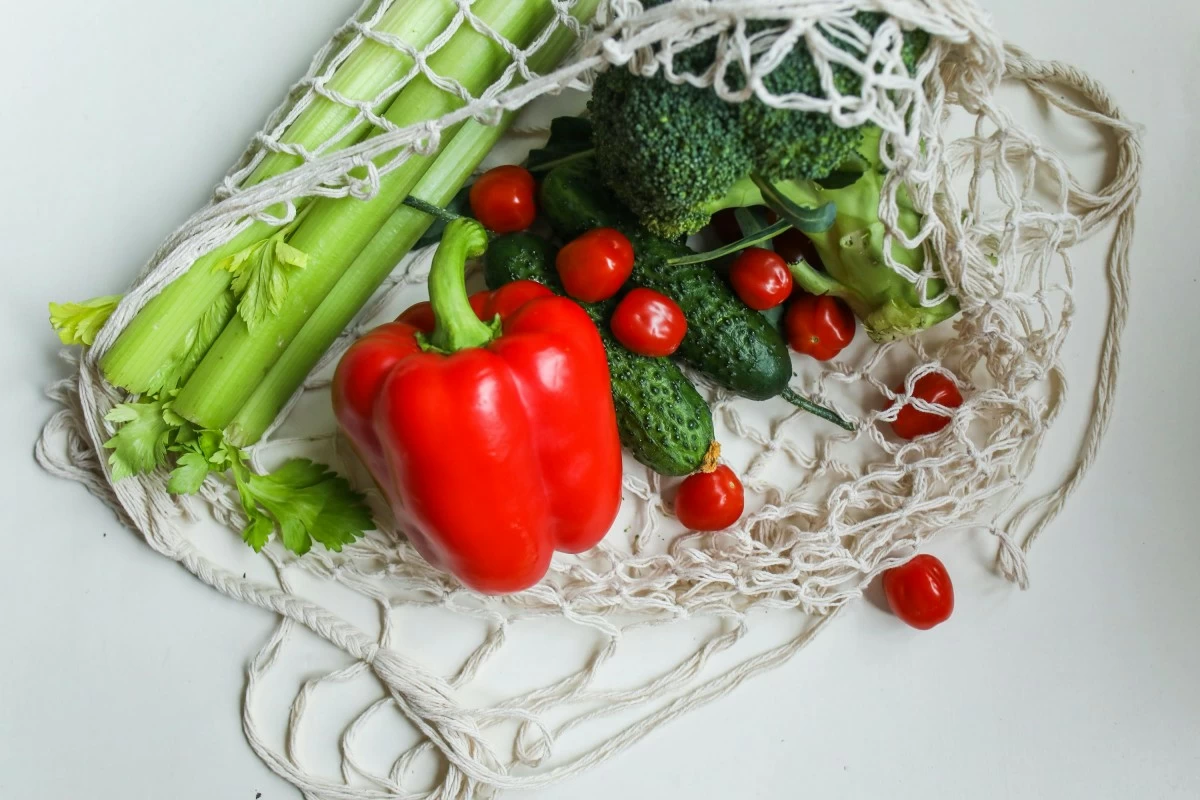
DON’T PANIC, IT’S ORGANIC Minimally processed plant food sources help repair cells and prevent infections.
Furthermore, plant food sources contain fiber that is only available in carbohydrates, mainly fruits, vegetables, and whole grains, and the phytonutrient polyphenol that impacts the gut microbiome. The gut microbiota or gut microbiome houses trillions of beneficial microorganisms that support the immune system, including the function of the lungs.
On Oct. 10, 2025, Melissa Whitman and her colleagues published a journal article entitled “Plant-Based Diets and Climate Change, A Perspective for Infectious Disease Providers.” Their review advocates for the adoption of plant-based diets to improve health outcomes, specifically infectious diseases, as well as combat climate change. After all, climate change has dire consequences on human health that include the rising rates of infectious diseases worldwide.
Unfortunately, so many are not convinced that a plant-based diet could be nutritionally adequate, much less aid in balancing and boosting the immune system. The Academy of Nutrition and Dietetics, formerly known as the American Dietetic Association, previously released a position statement on a plant-based diet.
“It is the position of the American Dietetic Association that appropriately planned vegetarian diets, including total vegetarian or vegan diets, are healthful, nutritionally adequate, and may provide health benefits in the prevention and treatment of certain diseases. Well-planned vegetarian diets are appropriate for individuals during all stages of the life cycle, including pregnancy, lactation, infancy, childhood, and adolescence, and for athletes. A vegetarian diet is defined as one that does not include meat (including fowl) or seafood, or products containing those foods.”

KEEP SAFE Our immune system can be kept strong through a healthy lifestyle.
We have to take into account that not all plant-based diets are healthy. As the Academy of Nutrition and Dietetics emphasized in its position statement, a vegetarian diet or a plant-based diet must be appropriately planned to meet the nutritional requirements of individuals. Therefore, do not be deceived by marketing strategies that promote highly processed products that are supposed to be meat substitutes. These pseudo-meat products are laden with additives and chemicals in order to mimic the texture and taste of real meat. Yes, they may be made from plant ingredients, but since they are highly processed, they no longer contain the phytochemicals and fiber that are needed for optimum nutrition. You will be technically consuming junk food. It is no better than eating bacon or hotdog.
If you want to have a healthy immune system that could help ward off infections, adopt a plant predominant way of eating a variety of wholesome, minimally processed plant food sources from fresh fruits, vegetables, whole grains like oats, quinoa, colored rice, adlai, some nuts, and seeds. If you choose to consume animal products, make sure that they are less than the portion allotted to plant foods. It is best to seek the guidance of a registered nutritionist or dietitian to carefully assess and plan your nutritional requirements.