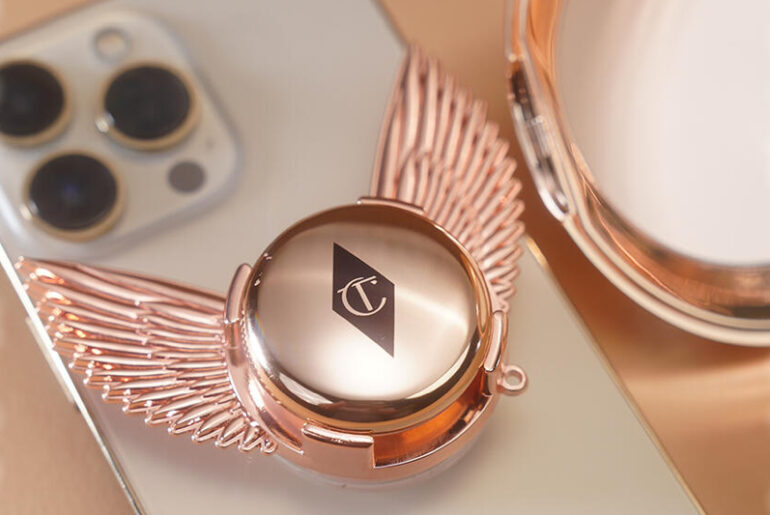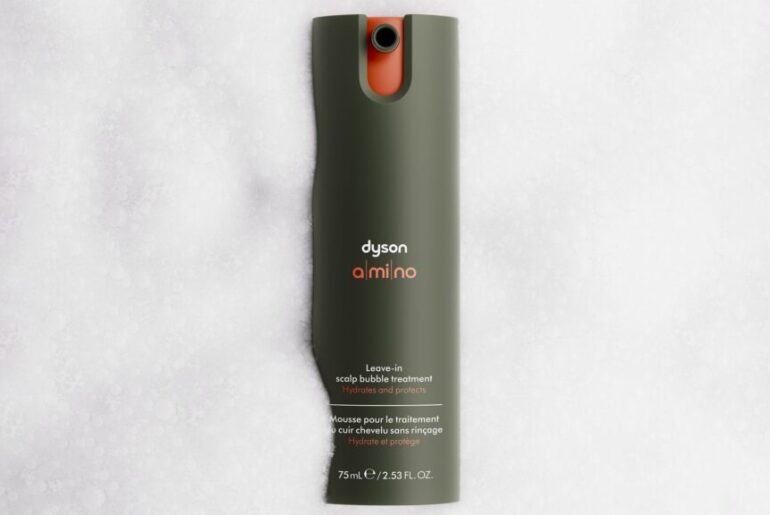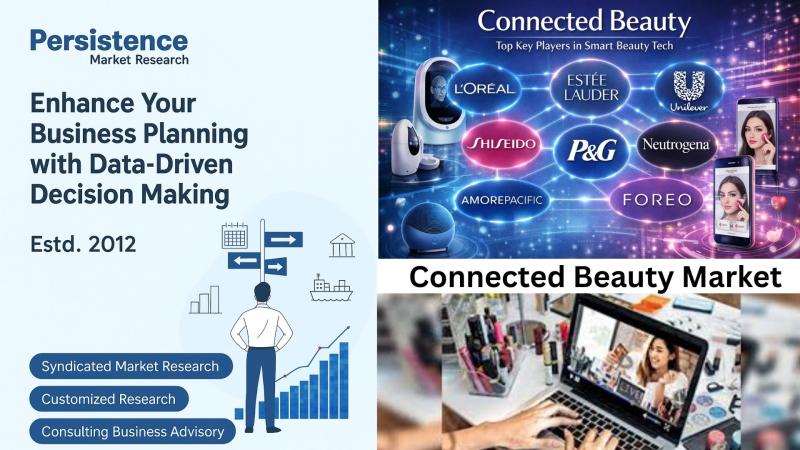
 The global connected beauty market is experiencing rapid technological innovation, redefining how consumers interact with personal care and beauty products. Driven by heightened digital adoption, demand for personalized beauty experiences, and the rise of smart devices, this sector is poised for significant growth. According to recent research, the global connected beauty market size is likely to be valued at US$ 7.3 billion in 2026 and is projected to reach US$ 13.0 billion by 2033, expanding at a CAGR of 8.0% from 2026 to 2033.
➤ Download Your Free Sample & Explore Key Insights: https://www.persistencemarketresearch.com/samples/32014
Connected beauty represents the convergence of beauty products with digital and smart technologies. It includes a wide range of offerings-from IoT-enabled skincare devices and AI-driven makeup tools to mobile apps that track wellness and beauty routines. As consumers become more tech savvy and increasingly seek tailored experiences, brands are investing in connected solutions to stay ahead in this competitive landscape.
What Is Connected Beauty?
Connected beauty refers to beauty and personal care products integrated with smart technologies that enhance user experience through connectivity, data analytics, and personalization. These products often connect to smartphones or cloud platforms to deliver insights, recommendations, and real-time feedback.
Examples include:
• Smart skincare devices that analyze skin conditions and recommend personalized regimens.
• AI makeup tools that virtually apply cosmetics and assess optimal product matches.
• Wearable beauty tech that tracks environmental and skin health data.
• Mobile beauty apps that log routines, offer reminders, and provide insights.
This fusion of tech and beauty empowers consumers to make informed decisions about their skincare and makeup routines and enables brands to build deeper customer engagement through data-driven services.
Market Growth Drivers
Rising Consumer Demand for Personalization
One of the most significant trends fueling the connected beauty market is the growing consumer appetite for personalized experiences. Today’s beauty consumers are not satisfied with one-size-fits-all products; they want solutions tailored to their unique needs. Connected beauty devices and apps collect user data-such as skin type, lifestyle behaviors, and beauty preferences-to deliver customized product suggestions and care routines. This level of personalization enhances results and builds long-term loyalty.
Proliferation of Smartphones and Mobile Connectivity
The global proliferation of smartphones and high-speed mobile internet has created the perfect ecosystem for connected beauty solutions. With consumers always connected, brands can engage users via apps that sync with beauty devices, offering real-time feedback and updates. The convenience of mobile interfaces also encourages frequent product use and increases consumer touchpoints.
Technological Advancements in AI and IoT
Artificial intelligence (AI), machine learning, and the Internet of Things (IoT) are core enablers of the connected beauty revolution. AI algorithms can analyze vast amounts of consumer data to deliver personalized recommendations, while IoT capability allows devices to communicate seamlessly with smartphones and cloud platforms. As these technologies mature and become more affordable, connected beauty solutions are becoming accessible to a broader audience.
Growing Health and Wellness Trends
Beauty and wellness are increasingly seen as interconnected. Consumers are not just interested in looking better-they want to feel better. Connected beauty devices that measure indicators like skin hydration, UV exposure, and environmental impact resonate with consumers who are conscious about their overall well-being. This shift toward holistic beauty solutions is expanding the potential use cases of connected beauty technologies.
Expansion of E-Commerce and Omnichannel Engagement
The explosion of e-commerce has given beauty brands new opportunities to reach consumers directly. Connected beauty products often integrate with online platforms, enabling seamless shopping experiences, subscription services, and automated replenishment. The synergy between digital product experiences and online purchase channels strengthens consumer engagement and drives repeat sales.
➤Customize This Report for Your Exact Requirements: https://www.persistencemarketresearch.com/request-customization/32014
Key Market Segments
The connected beauty market comprises various product types, each offering unique consumer benefits and adoption pathways:
Smart Skincare Devices
Possibly the most visible segment, smart skincare devices include tools that analyze skin condition, deliver targeted treatments, or enhance the effectiveness of skincare products. Examples range from smart brushes and LED masks to sensors that measure hydration levels.
AI-Driven Makeup Tools
Digital makeup tools use augmented reality (AR) and AI to simulate makeup application, helping consumers test shades, styles, and products virtually. These tools are particularly popular in online retail environments and help reduce product returns by ensuring better matches.
Wearables and Beauty Trackers
Wearables that monitor skin health or environmental impact (like UV exposure or pollution) are becoming mainstream. These devices help consumers optimize their routines based on real-time conditions.
Beauty Apps and Digital Platforms
While not physical products, beauty apps play a central role in the connected beauty ecosystem. They log user behavior, deliver insights, notify users about routine schedules, and integrate with devices to offer a unified experience.
Regional Outlook
North America
North America continues to lead the connected beauty market, driven by high consumer awareness, strong purchasing power, and early adoption of technology. Key innovations often originate in this region, supported by robust digital infrastructure and a health-conscious population.
Europe
Europe also represents a significant growth region, with consumers increasingly embracing digital beauty tools. Countries like the UK, Germany, and France are leading demand due to high digital penetration and interest in premium beauty experiences.
Asia Pacific
The Asia Pacific market is expected to grow rapidly over the forecast period. Rising disposable incomes, expansion of e-commerce, and increasing influence of beauty tech trends in countries like China, Japan, and South Korea are major growth drivers. These markets are highly receptive to new beauty innovations and boast a large consumer base that values both beauty and technology.
Latin America and Middle East & Africa
Although currently smaller than other regions, Latin America and the Middle East & Africa are emerging markets with considerable potential. Growing internet penetration, rising beauty spending, and gradual adoption of smart devices suggest these regions could contribute meaningfully to future market expansion.
➤Secure Your Full Report – Proceed to Checkout: https://www.persistencemarketresearch.com/checkout/32014
Competitive Landscape
The connected beauty market includes a diverse mix of established beauty brands, tech startups, and device manufacturers. Key players are focusing on strategic partnerships, acquisitions, and R&D investments to enhance their portfolios with connected solutions. The competitive environment is marked by innovation and a race to offer the most intuitive, data-driven, and consumer-friendly products.
Leading brands are increasingly collaborating with tech firms to leverage AI, AR, and cloud capabilities. This cross-industry cooperation not only accelerates product development but also helps companies deliver integrated experiences that resonate with modern consumers.
Challenges and Opportunities
Despite its strong growth trajectory, the connected beauty market faces challenges:
• Data privacy concerns: As products collect more personal data, users are increasingly sensitive about how that information is stored and used.
• High initial costs: Some connected beauty devices carry premium price tags, potentially limiting adoption in price-sensitive markets.
• Integration complexity: Ensuring seamless interaction between devices, platforms, and apps requires significant technological investment.
However, these challenges also create opportunities. Brands that prioritize data security and transparent practices can strengthen consumer trust. Additionally, innovations that bring connected beauty to mainstream price points could unlock entirely new customer segments.
Conclusion
The connected beauty market is on the brink of widespread transformation. With a projected valuation of US$ 13.0 billion by 2033 and a CAGR of 8.0%, the future of beauty will be increasingly digital, personalized, and interactive. As consumers seek smarter, data-informed beauty experiences, brands that innovate and adapt to this trend are positioned to lead the next wave of growth in the beauty industry.
Read More Reports:
Swimwear and Beachwear Market – https://www.persistencemarketresearch.com/market-research/swimwear-beachwear-market.asp
Residential Robotic Vacuum Cleaner Market – https://www.persistencemarketresearch.com/market-research/residential-robotic-vacuum-cleaner-market.asp
About Persistence Market Research:
At Persistence Market Research, we specialize in creating research studies that serve as strategic tools for driving business growth. Established as a proprietary firm in 2012, we have evolved into a registered company in England and Wales in 2023 under the name Persistence Research & Consultancy Services Ltd. With a solid foundation, we have completed over 3600 custom and syndicate market research projects, and delivered more than 2700 projects for other leading market research companies’ clients.
Our approach combines traditional market research methods with modern tools to offer comprehensive research solutions. With a decade of experience, we pride ourselves on deriving actionable insights from data to help businesses stay ahead of the competition. Our client base spans multinational corporations, leading consulting firms, investment funds, and government departments. A significant portion of our sales comes from repeat clients, a testament to the value and trust we’ve built over the years.
Contact Us:
Persistence Market Research
Second Floor, 150 Fleet Street,
London, EC4A 2DQ, United Kingdom
USA Phone: +1 646-878-6329
UK Phone: +44 203-837-5656
Email: sales@persistencemarketresearch.com
Web: https://www.persistencemarketresearch.com
This release was published on openPR.