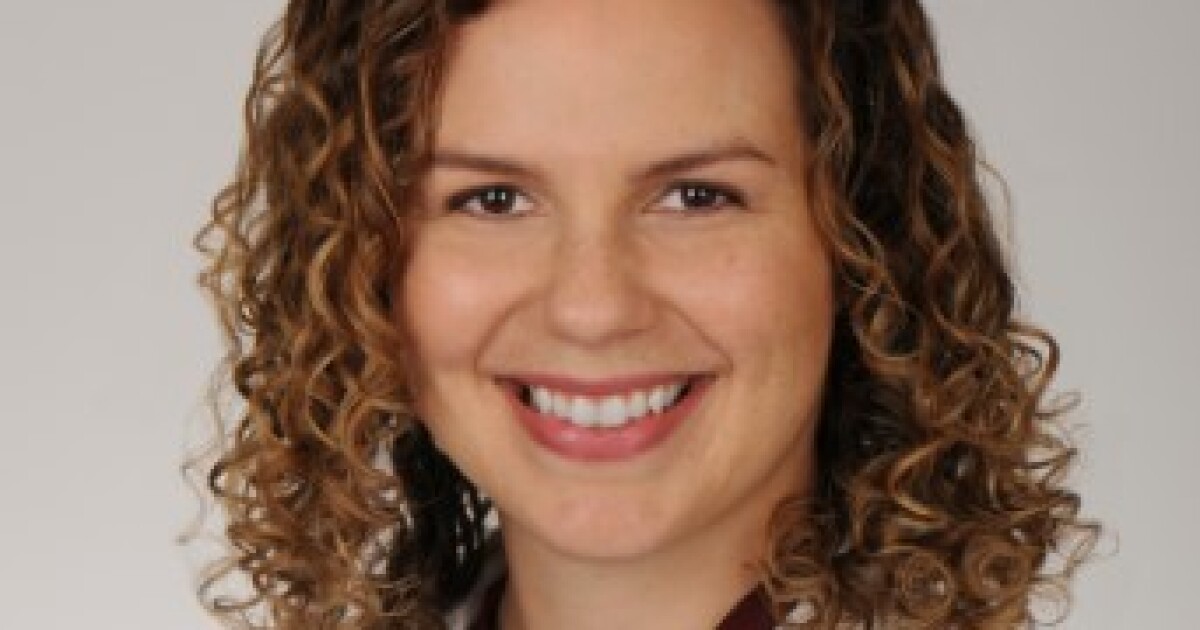
This week, Bobbi Conner talks with Dr. Katherine Chetta about how breastfeeding boosts your baby’s immune system and protects against illness and infection. Dr. Chetta is an Assistant Professor of Pediatrics and a neonatologist at MUSC Shawn Jenkins Children’s Hospital.
TRANSCRIPT:
Conner: I’m Bobbi Conner for South Carolina Public Radio with Health Focus here at the radio studio for the Medical University of South Carolina in Charleston. Breastfeeding can boost your baby’s immunity and offer protection against infection and illness. Doctor Katherine Chetta is here to provide the details. Doctor Chetta is an Assistant Professor of Pediatrics, and she’s a neonatologist at MUSC Shawn Jenkins Children’s Hospital. Doctor Chetta, explain how breastfeeding your infant provides a boost to your baby’s immunity.
Dr. Chetta: Breastfeeding does provide great protection against severe illnesses, and the likelihood of your baby getting hospitalized from a cold or pneumonia, or even diarrhea. There’s specific components in breastmilk that do that, including antibodies and also proteins that are bioactive. The breast milk has cells that can actually train the immune system through cell signaling, in order to give your baby a more mature immune system that can fight infection.
Conner: What specific antibodies are commonly found in mom’s breast milk?
Dr. Chetta: The main antibody in breast milk is IgA, which is a secretory immunoglobulin or antibody that’s really working at the mucosal area. So, it works at the barrier of the mouth, sinuses and gut. There’s a second antibody that’s in there called IgG. But that’s actually a very minor component. All moms are providing some amount of antibodies in their breast milk. And those highest antibodies are coming in colostrum, which are the first week of feeding after the baby is born.
Conner: How do researchers really know what specifically in breast milk?
Dr. Chetta: We have decades now of analytic testing done on breast milk, and this was actually engineered from the dairy industry in the 1930s and 40s. And now there’s many textbooks that look at the composition of breast milk and measures all the different types of antibodies and proteins and fats and sugars. So, we have quite a bit of information in the current era for breast milk.
Conner: And I’m wondering if the mom happens to get a cold or some kind of virus, does she pass antibodies along to the breastfeeding baby?
Dr. Chetta: What’s really neat about breastfeeding is that the breast milk responds to both the mom and the baby. So, if the mom gets sick, we know that there are certain proteins that fight infection go up, including the antibodies that might be more specific to the virus to help the baby also fight infection.
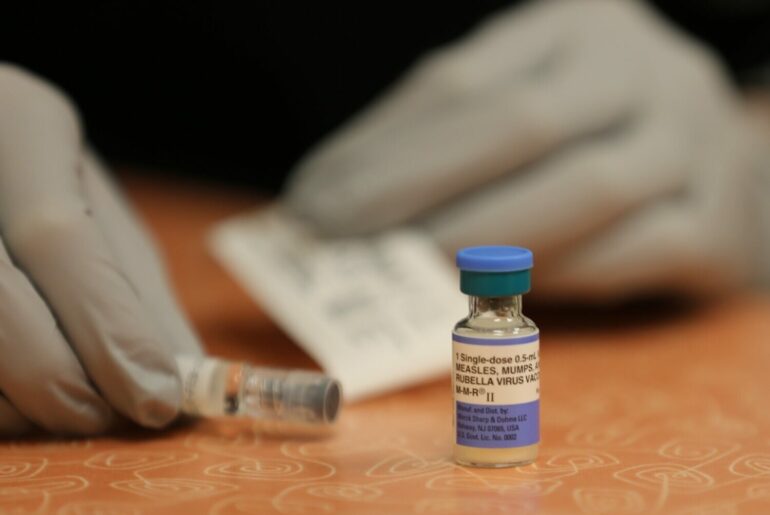
Conner: South Carolina’s experiencing a measles outbreak. So, I’m wondering if breastfeeding moms who were previously vaccinated against the measles are providing any measles protection when they breastfeed their infant.
Dr. Chetta: Well, the protection that moms are getting when they get the measles vaccine before pregnancy is really given through the placenta, and it kind of goes down and is really insignificant after the baby is six months old. The breast milk itself has very little anti-measles antibodies, so you’re really not getting too much protection with breastfeeding. We know that breastfeeding in general lowers the rate of measles infection, however it doesn’t really compare to a baby’s routinely scheduled vaccines.
Conner: Doctor Chetta what else would you like parents to know about breastfeeding and your baby’s immune system, and protecting infants from illness in that first year of life?
Dr. Chetta: Breast milk has so many immunologic components that really help a baby prevent infection and decrease severe illnesses when complemented with vaccines. Staying on a regular pediatric regimen and breastfeeding as long as possible really optimizes the health of your baby in that first year of life.
Conner: Doctor Chetta, thanks for talking with us about breastfeeding.
Dr. Chetta: Thanks for having me.
Conner: Bobbi from the Radio studio for the Medical University of South Carolina in Charleston, I’m Bobbi Conner for South Carolina Public Radio.
Health Focus transcripts are intended to accurately represent the original audio version of the program; however, some discrepancies or inaccuracies may exist. The audio format serves as the official record of Health Focus programming.