‘Zombie’ coronavirus fragments not only help drive inflammation in long-COVID, but also destroy our immune cells.
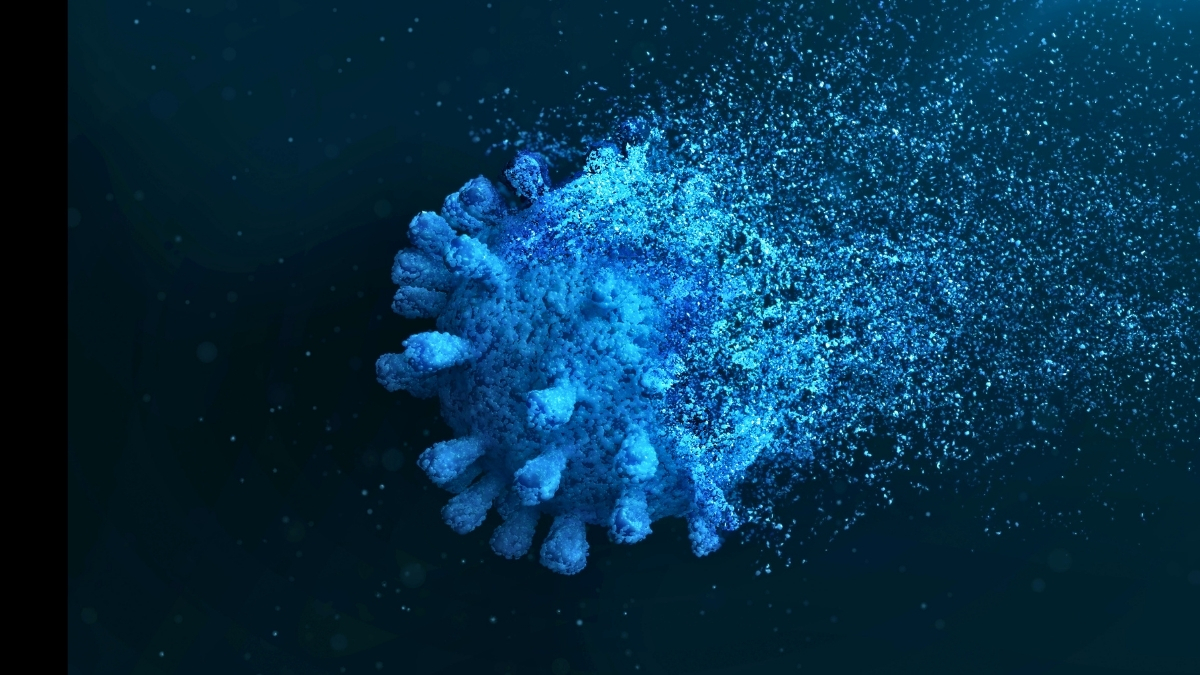
A recent study by an international team of more than 30 authors reveals how the destruction of the virus within our body leaves dangerous protein fragments that target specific immune cells, which may explain some of the debilitating consequences millions of people with long-COVID now face.
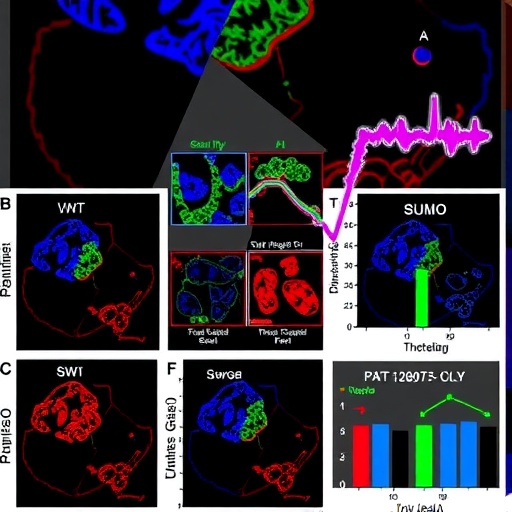
“These fragments target a specific kind of curvature on the membranes of cells,” explains bioengineer Gerard Wong from the University of California, Los Angeles. “Cells that are spiky, that are star-shaped, or that have lots of tentacles end up getting preferentially suppressed.”
These “spiky” cells include early-warning dendritic cells that detect and alert the rest of the body to viruses, as well as CD8+ and CD4+ T cells that help destroy already infected cells.
Previous research already noted this T cell depletion, which has since been recognized as a plausible diagnostic tool.
“Viruses do so many things that we don’t understand,” says Wong. “We want to understand what all the leftover viral matter does to us, both during COVID and after. With these viral fragments, all of a sudden there’s a whole new range of possibilities to consider.”
 frameborder=”0″ allow=”accelerometer; autoplay; clipboard-write; encrypted-media; gyroscope; picture-in-picture; web-share” referrerpolicy=”strict-origin-when-cross-origin” allowfullscreen>
The fact that multiple types of these viral fragments can attack immune cells may explain why those with preexisting immune conditions are more susceptible to these impacts, even when they are otherwise healthy.
In further verification, the Omicron strain of COVID-19, infamous for being highly infectious but less dangerous, breaks down into a greater variety of protein fragments in our bodies than previous strains.
“No one could really explain why it replicated as fast as the original strain but generally did not cause infections that were as serious,” explains Yue Zhang, a bioengineer at China’s Westlake University.
“We found that pieces of the Omicron spike were much less able to kill these important immune cells – suggesting that a patient’s immune system is not going to be as depleted.”

Despite the rhetoric of the pandemic being a thing of the past, COVID-19 continues to kill about 100,000 people in the US annually and disable many more. Up to 17 million people in the US had long COVID in 2024.
Related: Strange Structures Found Lurking in The Blood of People With Long COVID
Amid this backdrop, many have been left struggling without adequate support for the ongoing consequences of long COVID, which are very real and debilitating. What’s more, recent studies found that the risk of long COVID can increase with subsequent infections in children and adults.
“One of the strongest reasons I give patients, families, and physicians about getting vaccinated: More vaccines should lead to fewer infections, which should lead to less long COVID,” urged pediatrician Ravi Jhaveri of Lurie Children’s Hospital in Chicago last September.
This research was published by PNAS.