Tel Aviv’s Bodega Burger is already known for pushing the envelope on kosher food, with a pioneering (beef) bacon (vegan) cheese burger as its signature dish since it opened in 2019.
Soon, it may add old-fashioned Southern fried chicken to its menu. The traditional recipe requires buttermilk, but with a new “non-cow” milk produced by Israeli company Remilk freshly on the market, Bodega restaurateur Feivel Oppenheim says his chefs are excited about new opportunities.
“At Bodega, people come in ready to experience something that they haven’t experienced before,” he told The Times of Israel over the phone. “The kosher market is thirsty for it.”
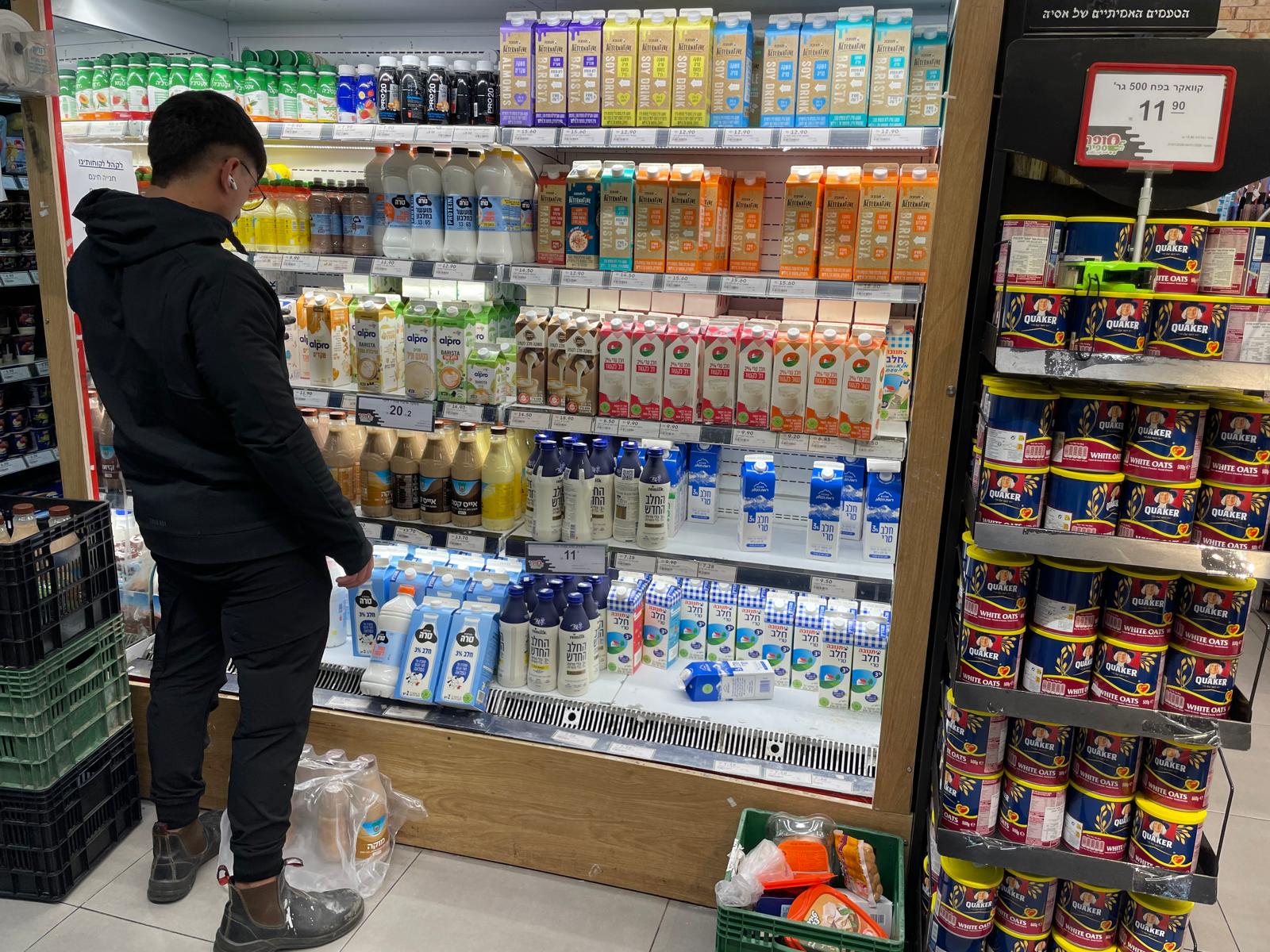
Labeled as “New Milk” (Hehalav Hehadash in Hebrew), the Remilk beverage contains proteins identical in structure to dairy proteins in cow-produced milk, but engineered in the company’s laboratories via a yeast-based fermentation process.
Since no cow or milk cells or particles were used, the product has received a parve kosher certification under the supervision of the Chief Rabbinate of Israel (Jewish dietary laws prohibit consuming meat and milk products together and even require separate dishes for them; parve food can be eaten with both).
The result is something that, according to the company, looks like milk, tastes like milk, and behaves like milk when frothed or used in cooking, unlike any previous plant-based milk alternative, opening up the potential for a revolution in the kosher culinary world.
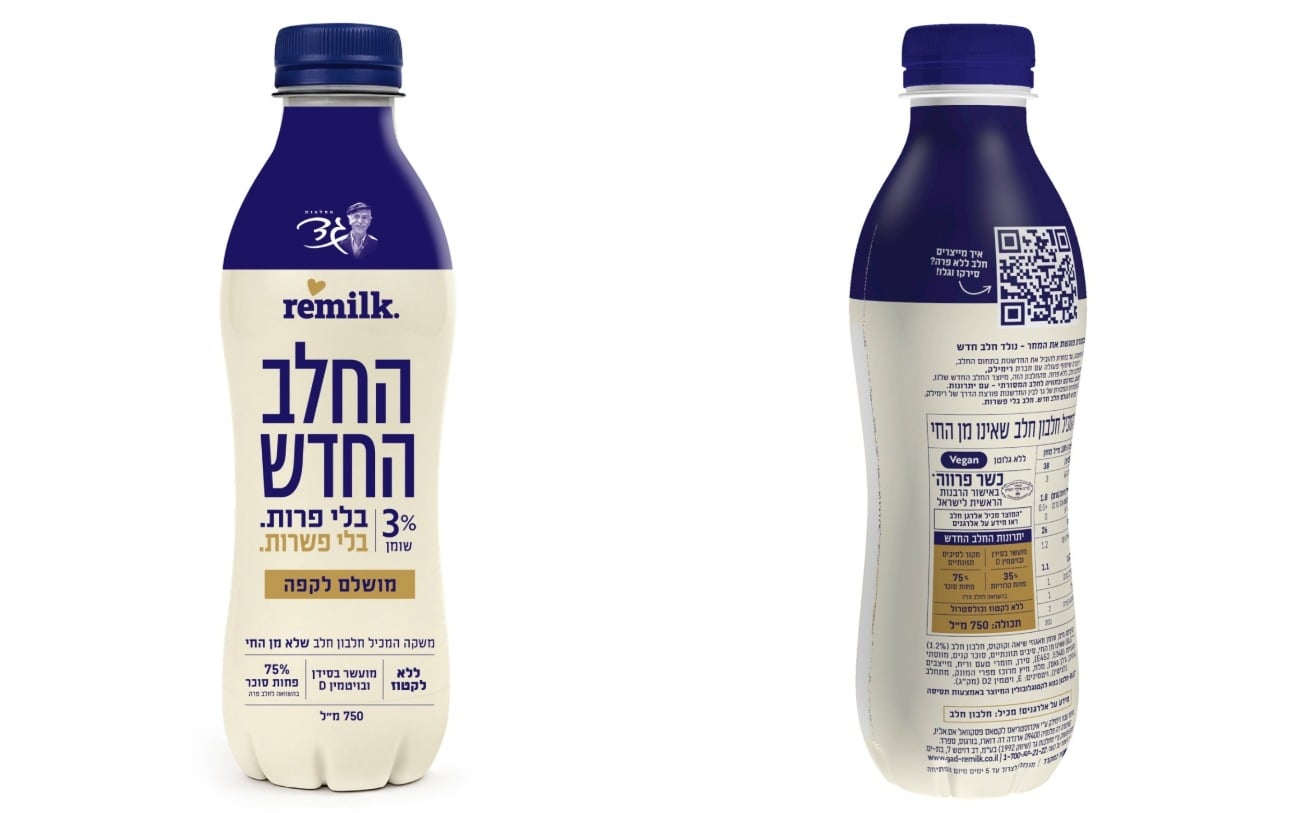
A bottle of the cow-free New Milk by tech company Remilk, which launched in Israeli supermarkets in January 2026. (Remilk)
In the eye of the beholder
Speaking with The Times of Israel, several kashrut experts explained that, unlike other lab-developed “no-animal” milk or meat products, there is no doubt that the milk is parve. Still, some kashrut precautions may be needed, as long as the New Milk is not generally recognizable to the public, especially to avoid incurring the rabbinic prohibition of marit ayin (“appearance to the eye”), or appearing to violate the law.
“This milk has the qualities of milk, but it is not really milk,” Rabbi Eliezer Simcha Weiss, a member of the Chief Rabbinate Council who sits on the rabbinate’s kashrut committee, told The Times of Israel in a message. “It is totally free from anything connected to cows. If the initial cell had been taken from a cow, there would be arguments.”
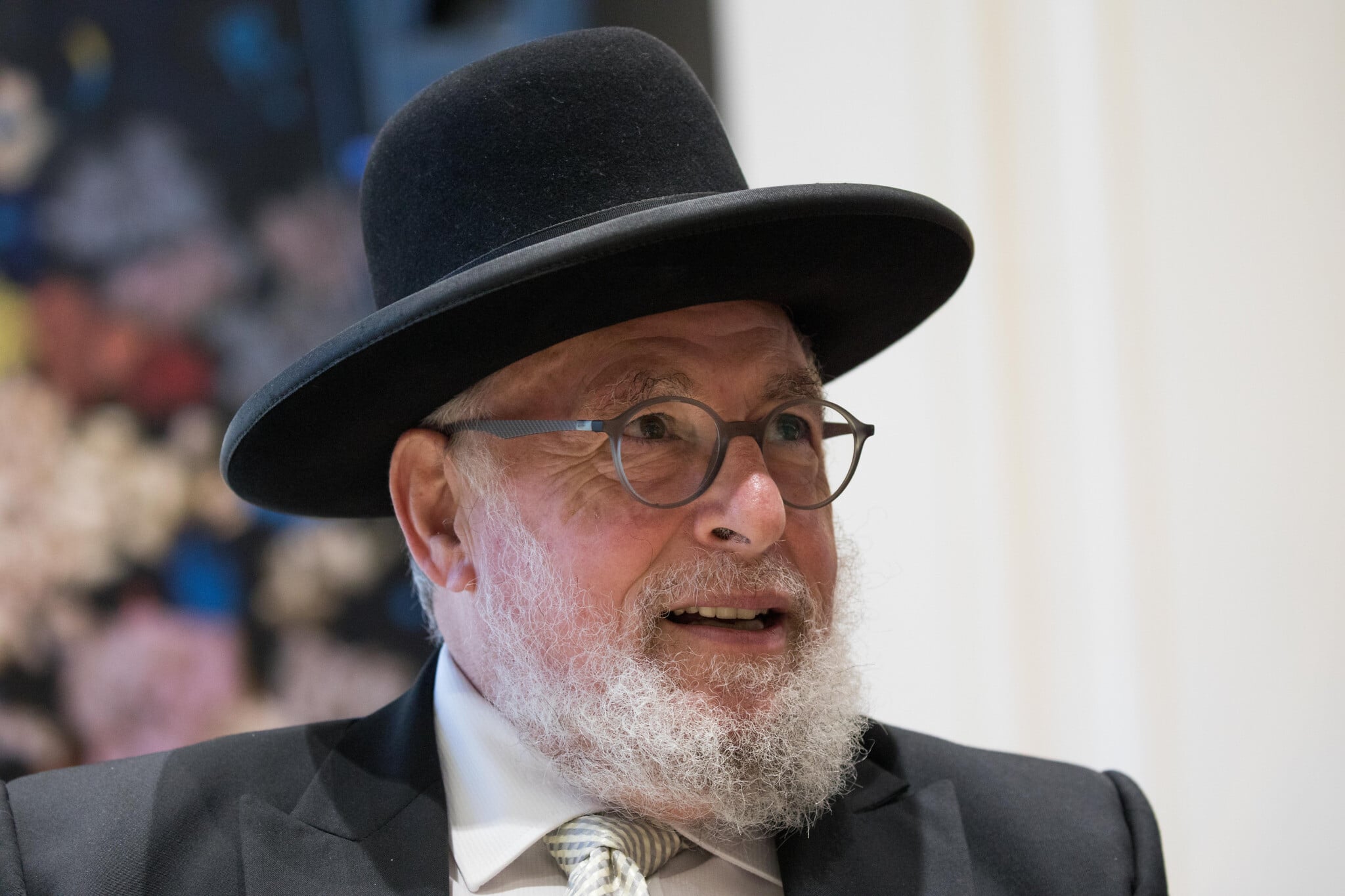
Rabbi Eliezer Simcha Weisz attends a swearing in ceremony for the Rabbinate Council at the President’s Residence in Jerusalem, October 24, 2018. (Yonatan Sindel/Flash90)
Rabbi Moshe Elefant, COO of OU Kosher, the world’s largest kosher certification agency, explained that the new beverage represents a further step in a world of milk substitutes whose kashrut status has been debated since the time of the Talmud, the foundational text of rabbinic Judaism that was compiled between the 5th and the 6th century CE.
“The Talmud talks about milk produced from almonds going back thousands of years,” he told The Times of Israel in a video interview. “It was not well known or popular, so both the Talmud and the [16th-century legal code] Shulchan Aruch say that if you have almond milk on the table, and people aren’t familiar that there is such a thing as almond milk, you must put almonds on the table [to make it recognizable].”
‘The Talmud talks about milk produced from almonds going back thousands of years’
Both Elefant and Rabbi Avraham Hermon, who serves as a consultant on raw materials for the Kashrut Program of Tzohar, an Israeli moderate Orthodox group, stressed that, in modern terms, this principle requires branding the beverage correctly to ensure people understand that it is not real milk.
The rabbis said that the packaging by Remilk, which produces and distributes the New Milk in partnership with the large Israeli dairy Gad, meets the requirements.
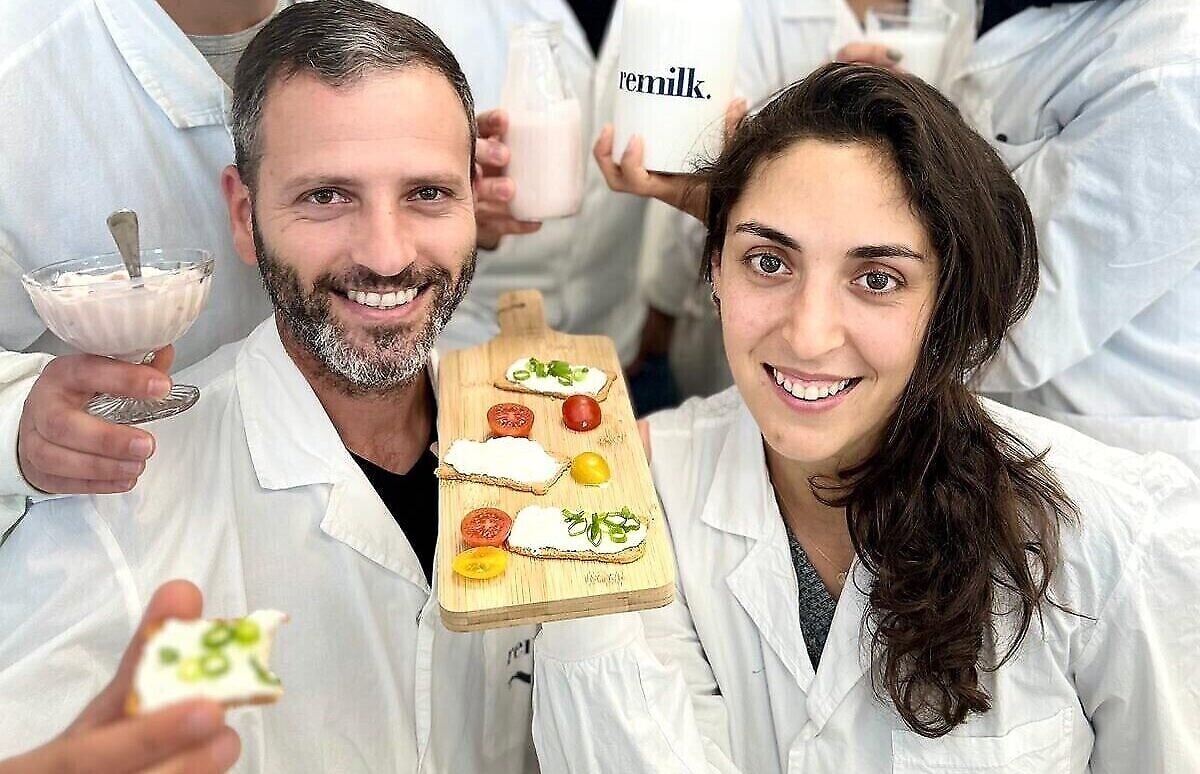
Scientists at Israeli food tech startup Remilk present products made with its cow-free milk protein. (Courtesy)
Speaking with The Times of Israel via telephone, Hermon and Tzohar Kashrut Program head Rabbi Eyal Moshe said that if the beverage is cooked or served in a meat dish, the bottle should be put on the table for the benefit of eventual guests who are not aware of its existence, and might think that it was regular milk.
“Some rabbis would say that [the New Milk] should not be used unless it’s very clear to those who consume it that this milk is artificial milk,” Hermon said.
While the New Milk contains no lactose and is therefore suitable for lactose-intolerant people, those who are allergic to dairy protein can still not consume it.
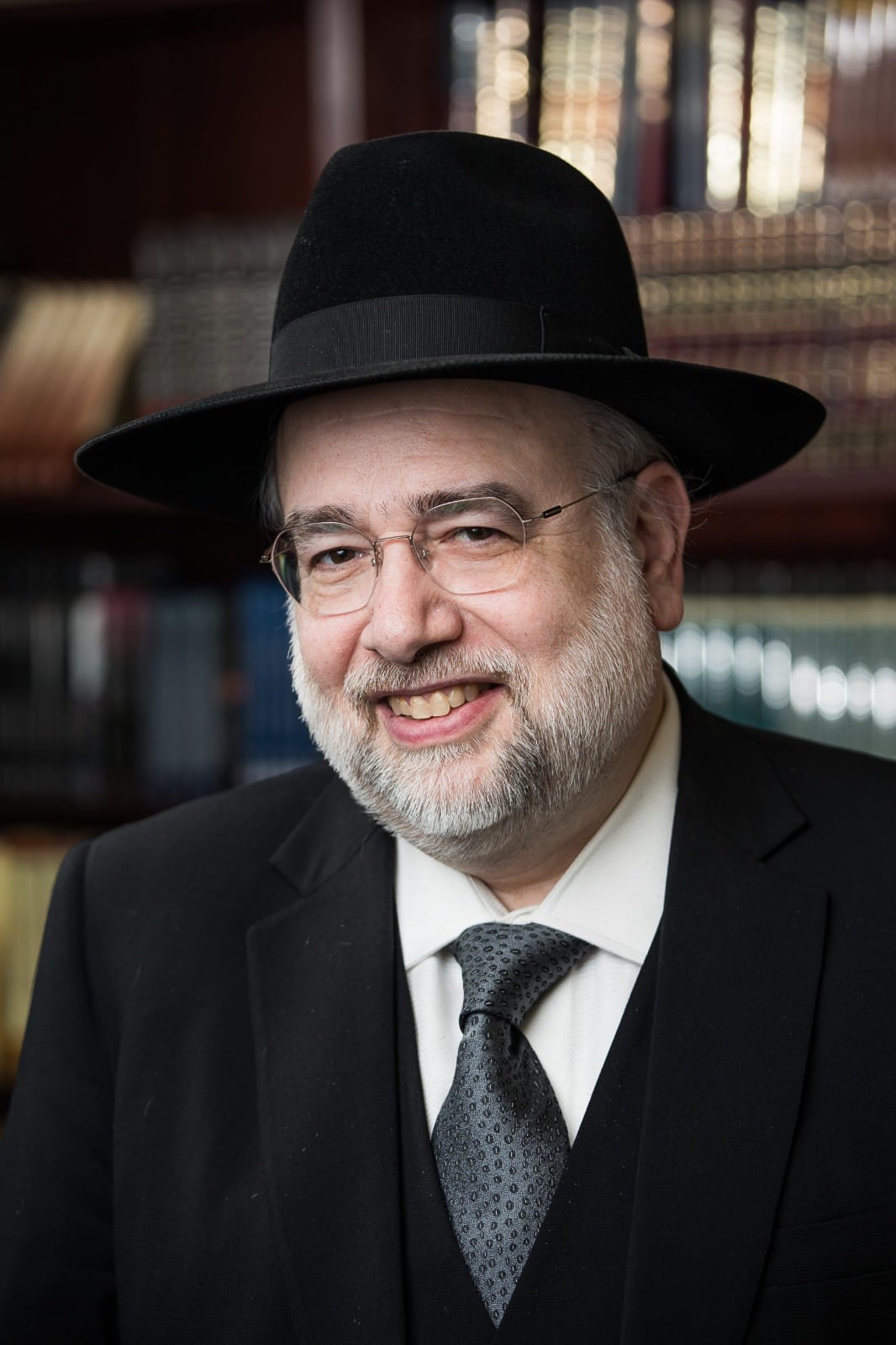
Rabbi Moshe Elefant, COO of the OU Kosher. (OU Kosher)
The beverage contains about 1.3% lab-grown dairy proteins (alongside several ingredients such as coconut and nut fats, water, salt, cane sugar, stabilizers, and more).
Asked whether it could be dangerous to serve something containing dairy proteins in a kosher-certified meat restaurant where patrons do not expect to have to worry about a milk allergy, Oppenheim said, “people with allergies always make it very, very clear.”
“They do not leave it up to the restaurant [to inform them],” he added. (While Bodega has yet to start experimenting with the Remilk beverage, Oppenheim hopes that it will allow the family business to make a step forward into shattering some more food glass ceilings.)
Elefant highlighted that what is considered dairy for health purposes, kashrut purposes, and by governments’ regulations do not always coincide.
“In the United States, there’s something called non-dairy creamer, but most of the non-dairy creamers are dairy certified by the OU, because they do contain dairy ingredients made from a cow, and specifically something called sodium casein. Therefore, from the Jewish law perspective, they are dairy, but from the government perspective, they are not, because they do not contain dairy proteins.”
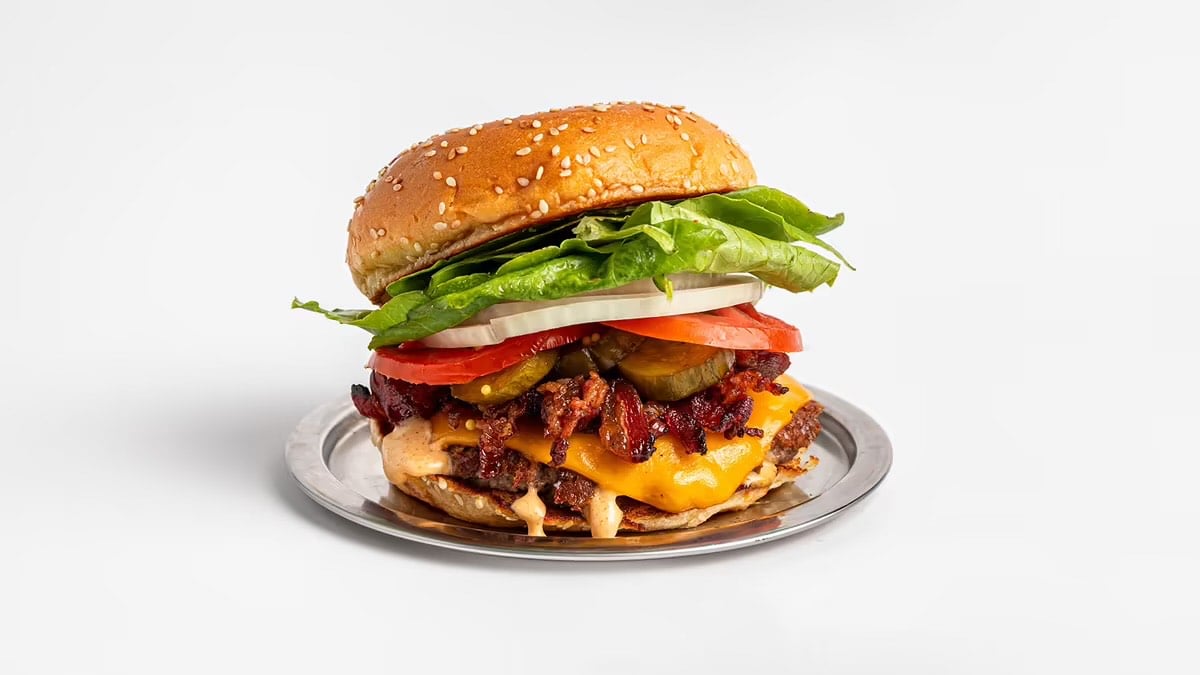
Kosher Bacon Cheeseburger served at Bodega Burger restaurant in Tel Aviv. (Courtesy of Bodega Burger)
A kashrut revolution?
Asked whether we can expect in the near future to see the non-cow milk and similar products to radically change the way kashrut is kept, allowing for recipes such as cheese on bolognese sauce pasta or real cheeseburgers, or even making the need for separation between meat and dairy dishes obsolete, Elefant said that ultimately this is not a question for him to answer.
‘As a rabbi, I have to answer [kashrut] questions as a technician’
“As a rabbi, I have to answer [kashrut] questions as a technician,” he explained. “Is this parve? The answer is yes. May this be mixed with meat? The answer is yes. Now you or me or anyone may feel that this is a violation of the spirit of the law, which I respect, but I can’t legislate based on that.”
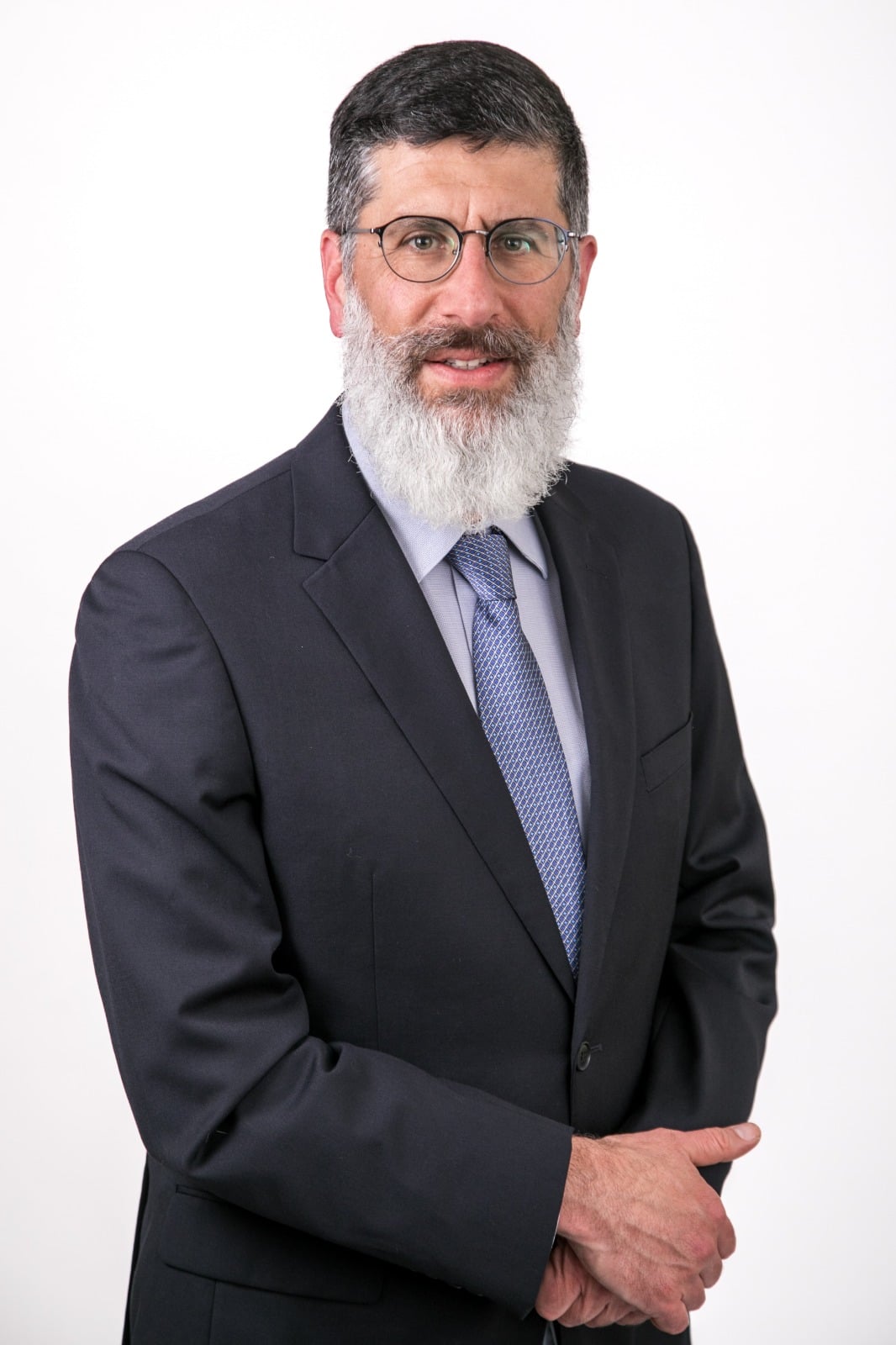
Rabbi Avraham Hermon, a consultant on raw materials for the Kashrut Program of Tzohar. (Courtesy)
Elefant also stressed that many products once thought unattainable have been introduced to the kosher market over the decades. He recalled that when he joined OU some 38 years ago, the main debate was whether they could certify fake crab as kosher.
Yet, there are still new frontiers to be crossed.
“Today, here in the United States, we certify a very popular product, called ‘the Impossible Burger,’ Elefant said. “They have it so perfect that after you cook it and you put your fork into it, juice comes out like from a regular hamburger, beet juice, not blood. It’s 100% kosher, 100% parve. That same company has asked to certify ‘the Impossible Pork.’ It only has kosher ingredients, but how does it look if we have the OU, the largest, most prestigious kosher symbol in the world, next to the word ‘pork’? So right now, we haven’t done it, but I really believe there will be a day we will do it.”
Hermon noted that when it comes to lab-grown meat and the possibility of it being certified kosher and parve, the process is much more complicated because most technologies currently under development start with cells from actual cows and then work to grow them in a lab.
‘How does it look if we have the OU, the largest, most prestigious kosher symbol in the world, next to the word ‘pork’?’
In that case, many more requirements apply to the final product for it to be kosher. Among others, the cow from which cells are taken cannot be alive as Jewish law forbids eating from living animals, and it needs to be shechted (or butchered according to Jewish law).
“Another thing is that the kosher certification has to check is what kind of nutrients you are feeding the cells as they develop, and if they are also kosher,” said Hermon.
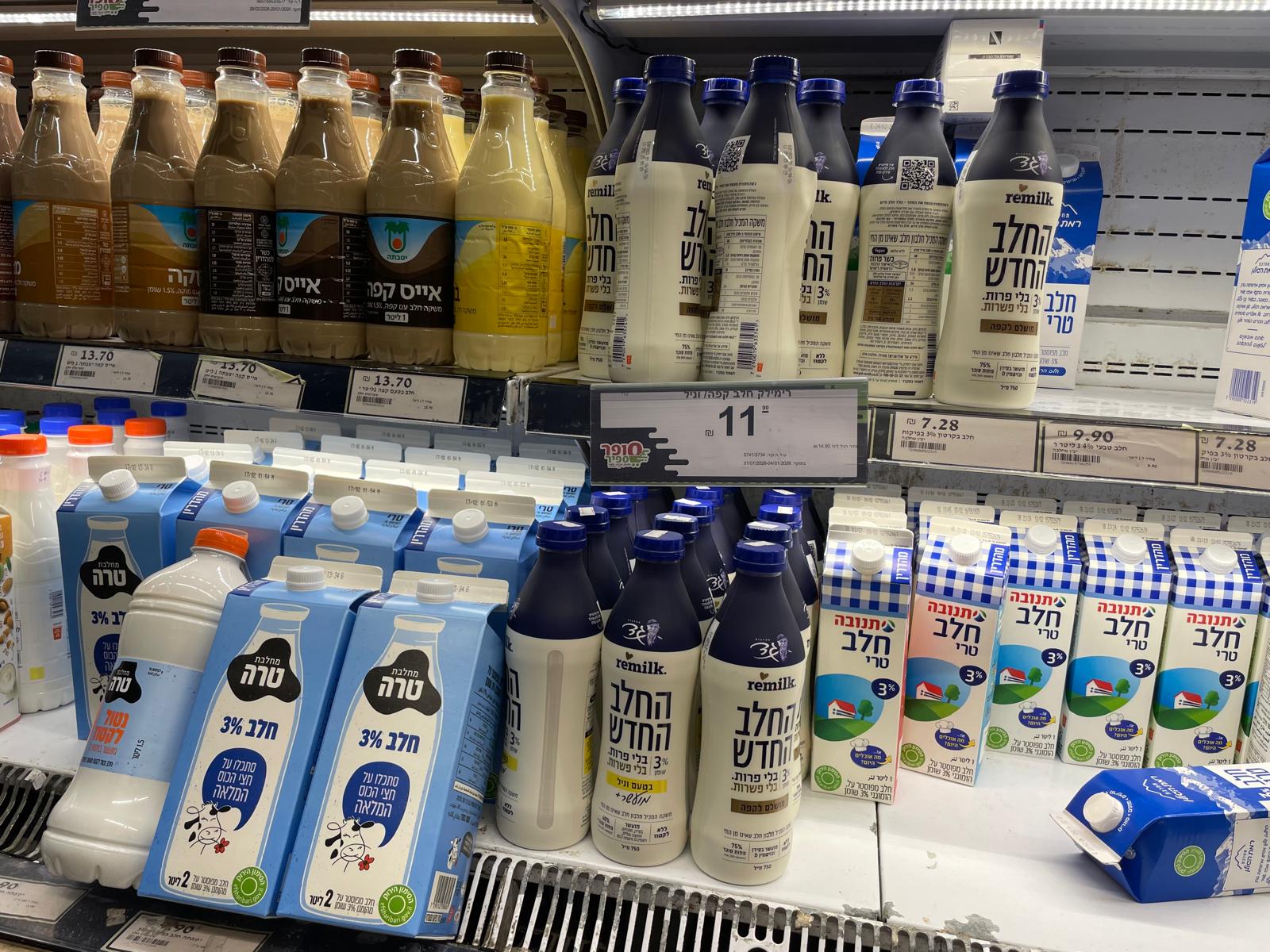
The cow-free New Milk by tech company Remilk seen on the dairy counter in a Jerusalem supermarket on January 29, 2026. (Rossella Tercatin/Times of Israel)
Hermon believes that the New Milk will be more appealing to the vegan population than to the kosher population, also because of the beverage’s price (currently around 15 NIS for a 750 ml bottle, compared to NIS 7.20 for a liter of regular 3% milk).
For Oppenheim, who does not keep kosher and has therefore had the opportunity to taste all the original non-kosher dishes, the goal is to offer Bodega’s clients the flavors they have never been able to experience.
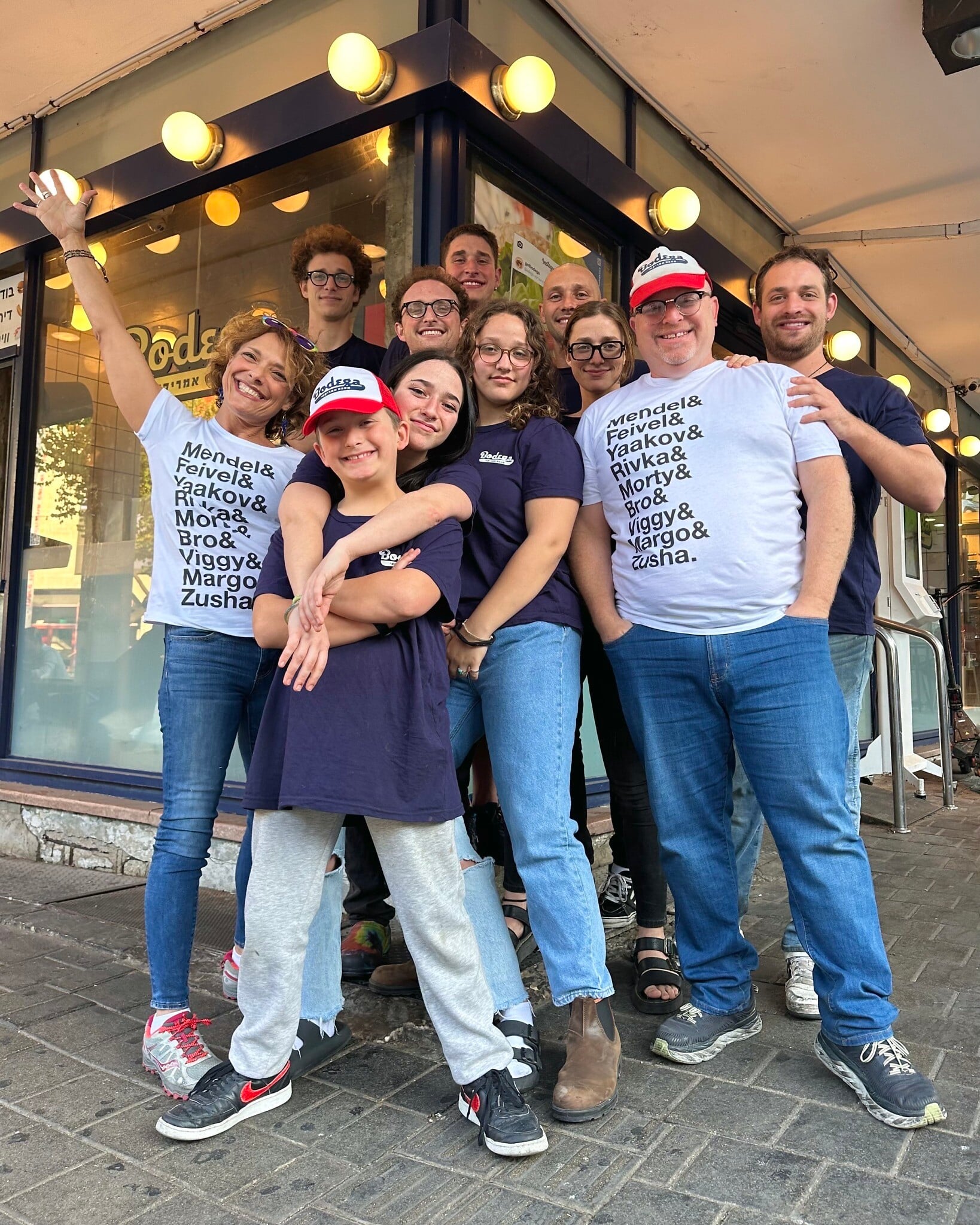
The Oppenheim family in front of their restaurant, Bodega Burge,r in Tel Aviv. (Courtesy)
“Growing up, we flew to the States all the time with my father because he worked in tech for years,” he recalled. “It was right when [fast food chain] Shake Shack started becoming famous. We got their amazing classic bacon cheeseburger, and they had shakes, good shakes made with custard. It’s our childhood memory of flavors.”
He believes his customers will be very excited to try new dishes that Bodega might develop using the new milk.
“At the beginning, when we first opened up with a kosher bacon cheeseburger, people were really, really stressed out; they would say, ‘How the hell is this kosher?’” he said. “Now, if you look at all the other burger places, every kosher burger place offers ‘cheese’ on their burgers.”