This is the second in a collaborative series on design for wellness with Rachael Grochowski of RHG Architecture + Design.
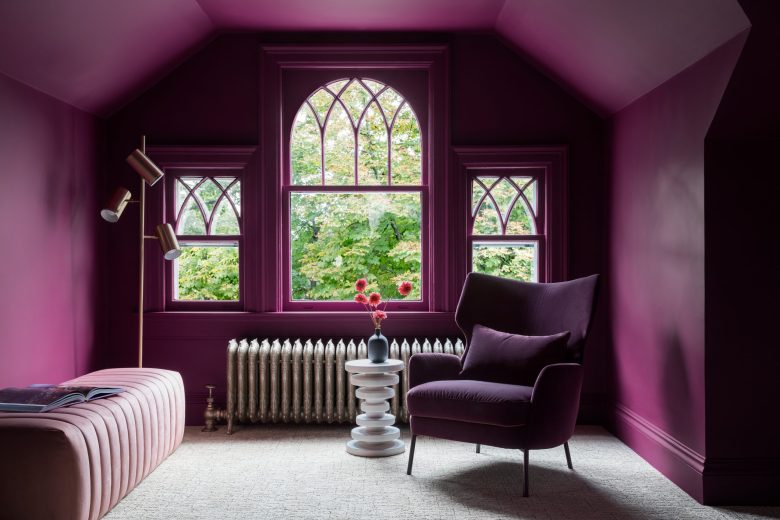
Many of us move through our homes, workplaces, schools and community spaces without stopping to name what feels supportive and what does not. Yet sound, visual stimulation, light, scent, layout and materiality shape our experience in powerful ways. Depending on how your nervous system responds, these elements can either help you feel grounded and regulated or leave you feeling overwhelmed and anxious.
If you’re neurodivergent — or live with someone who is — you probably already know how much a space can affect mood, energy and ability to get through the day. For people who are neurodiverse, things like light, noise, layout, and movement can be felt more strongly. That means thoughtful design goes beyond aesthetics — to influence comfort, focus, and whether a space truly feels welcoming and usable.
Designing for neurodiversity is not only a professional exercise for designers — it is also a tool for self-awareness and self-advocacy. When spaces are more thoughtful, flexible, and responsive, they support not only neurodivergent individuals but everyone who inhabits them.
Neurodiversity refers to the natural variations in the human brain in how we process information. In a classic sense, designing for neurodiversity often identifies those on the autism spectrum, ADHD, dyslexia, dyspraxia, etc. Each experience is unique, and there is no single “right” way for a space to feel.
From a design perspective, the objective is to minimize stressors to foster comfort, stability, tranquility and well-being. The challenge is that different people experience their neurodiversity differently.
Anxiety, auditory processing and volume, sensitivity to light, visual stimulation, aversion to specific scents, executive function challenges and preferences around social interaction all influence how a space is experienced — and all deserve consideration when designing or adapting an environment.
Design Elements That Support Neurodiverse Well-Being
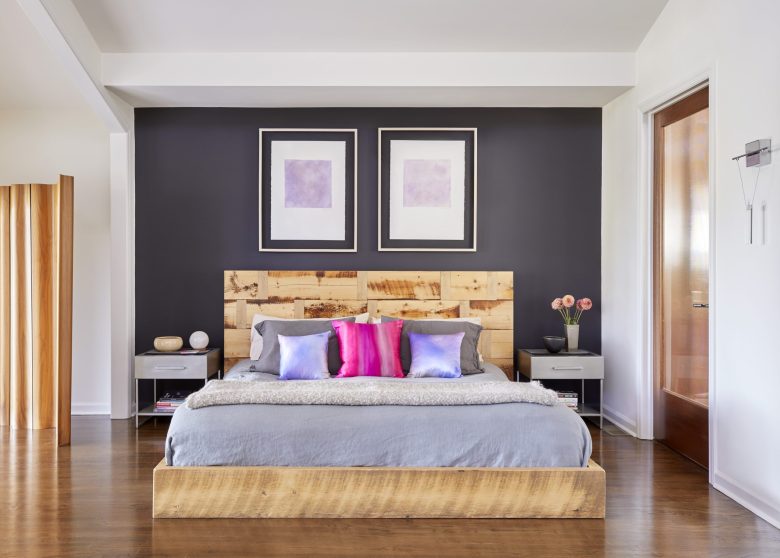
Sound: Sensitivity to sound, sometimes specific sounds, is a significant consideration. Integrate soft finishes, such as a plush rug with a rug pad, thicker fabrics for curtains or upholstery, and loose pillows to absorb sound. The flexibility of the loose pillows allows the family to move them around based on who is in the room. Quiet appliances tend to cost more, but they should be given serious consideration when redesigning kitchens and laundry rooms, especially if you have an open floor plan.
Creating a quiet room is never a bad addition if you have the space. This space would likely be used by everyone at one time or another!
 Architect | RHG Architecture + Design
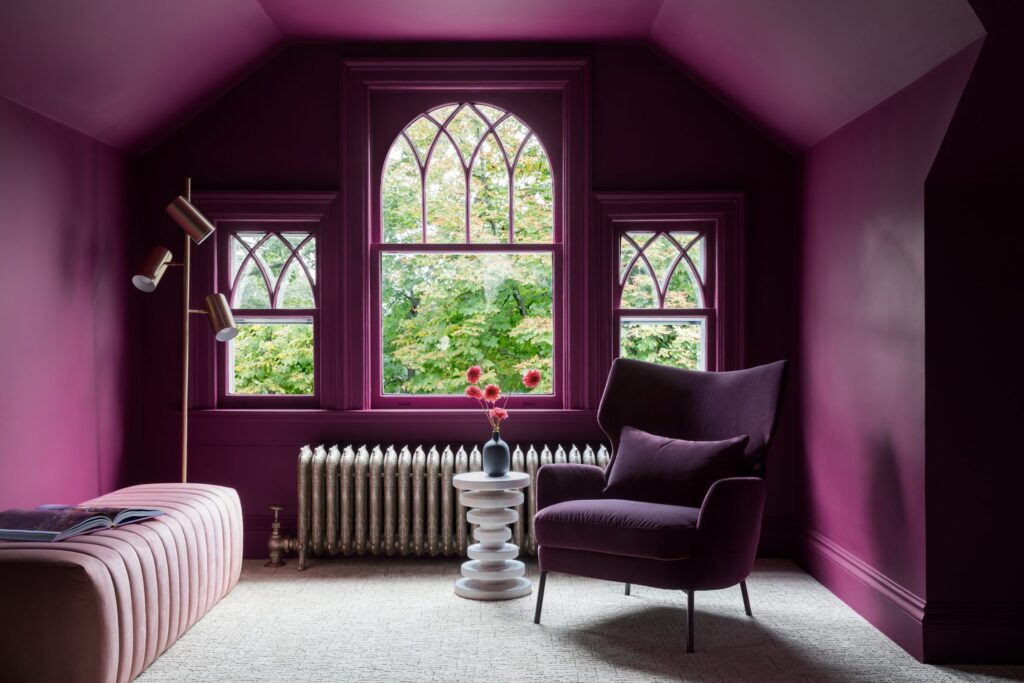
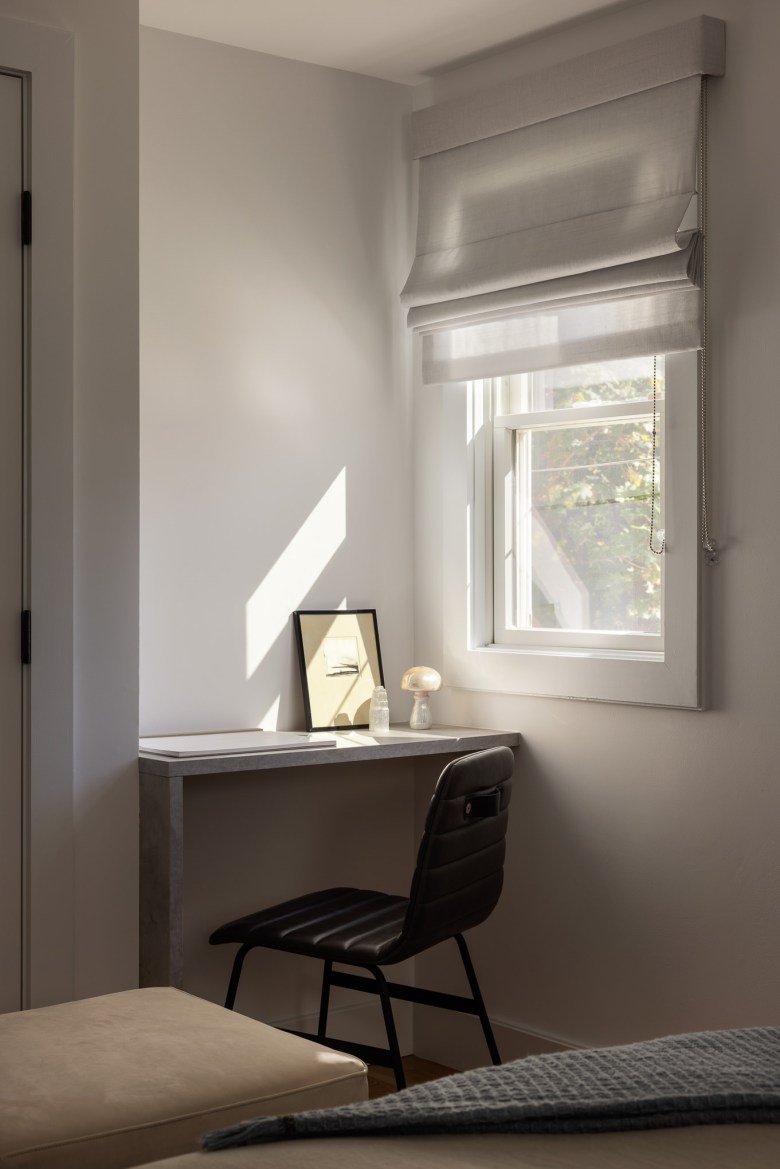
Visual Stimulation: One of the nuances of neurodiversity is the occasional transference of sensory input; for example, abundant patterns and textures can feel loud. Limiting patterns and textures can help create an environment ease the processing load.
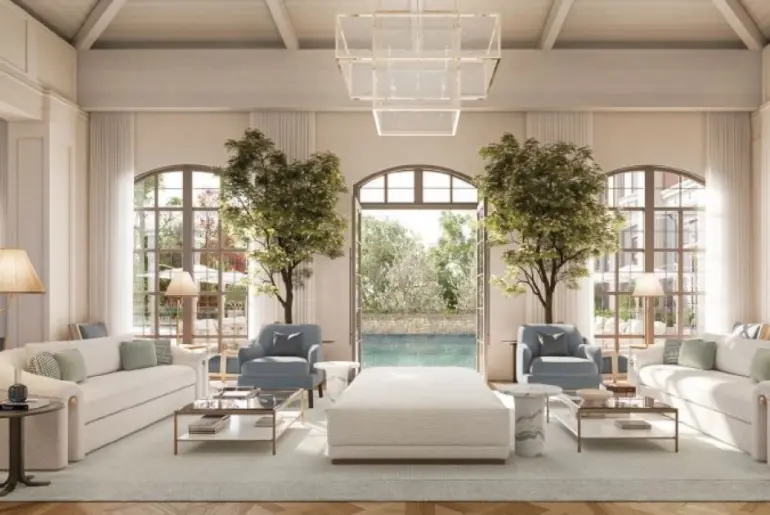
Minimizing glare, using matte finishes, soft diffused lighting, variation in lighting scenes, visually soft fabrics and floor coverings can also help.
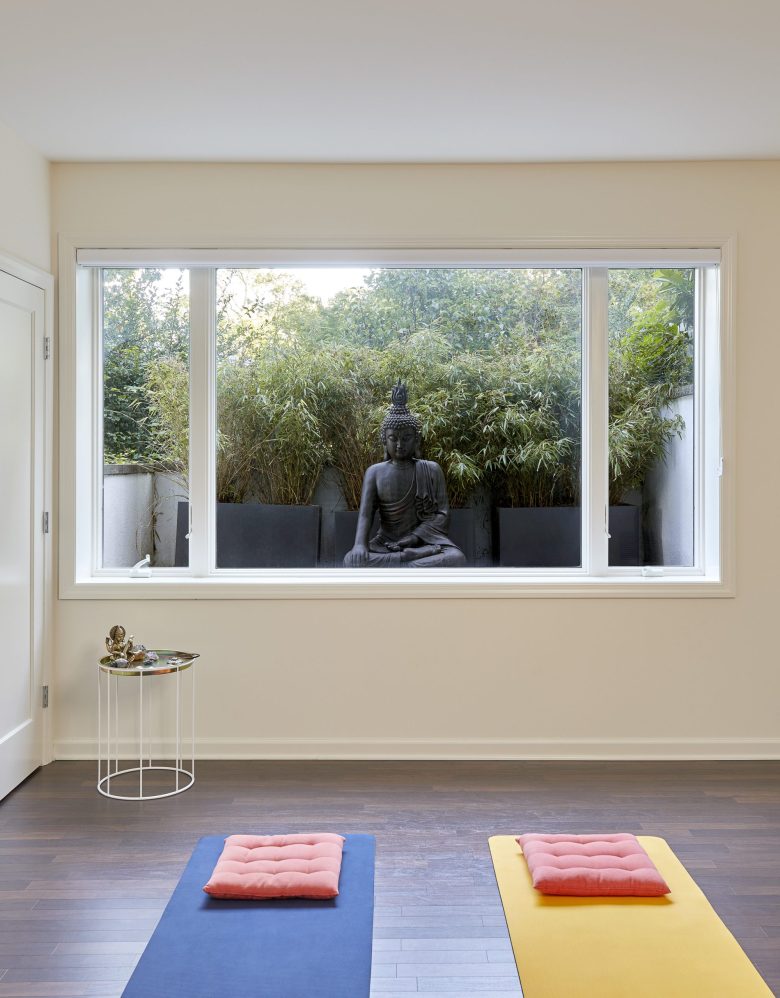
Studies have shown that natural elements – plants, wood furniture or flooring, easy access to the outdoors – can reduce anxiety, improve focus, encourage social interaction and even foster a sense of belonging for many neurodiverse individuals.
Scent: A different region of the brain is utilized by those who are neurodiverse, which can create a physiological state that can impact safety, emotional regulation and cognitive performance. A scent-free environment is important, and/or a documentation of what scents affect an individual to avoid them. Candles, essential oils and incense are best avoided, but laundry detergent, cleaning supplies and even furniture materials, fabric content and finishing materials (paint, stains, etc.) should be considered.
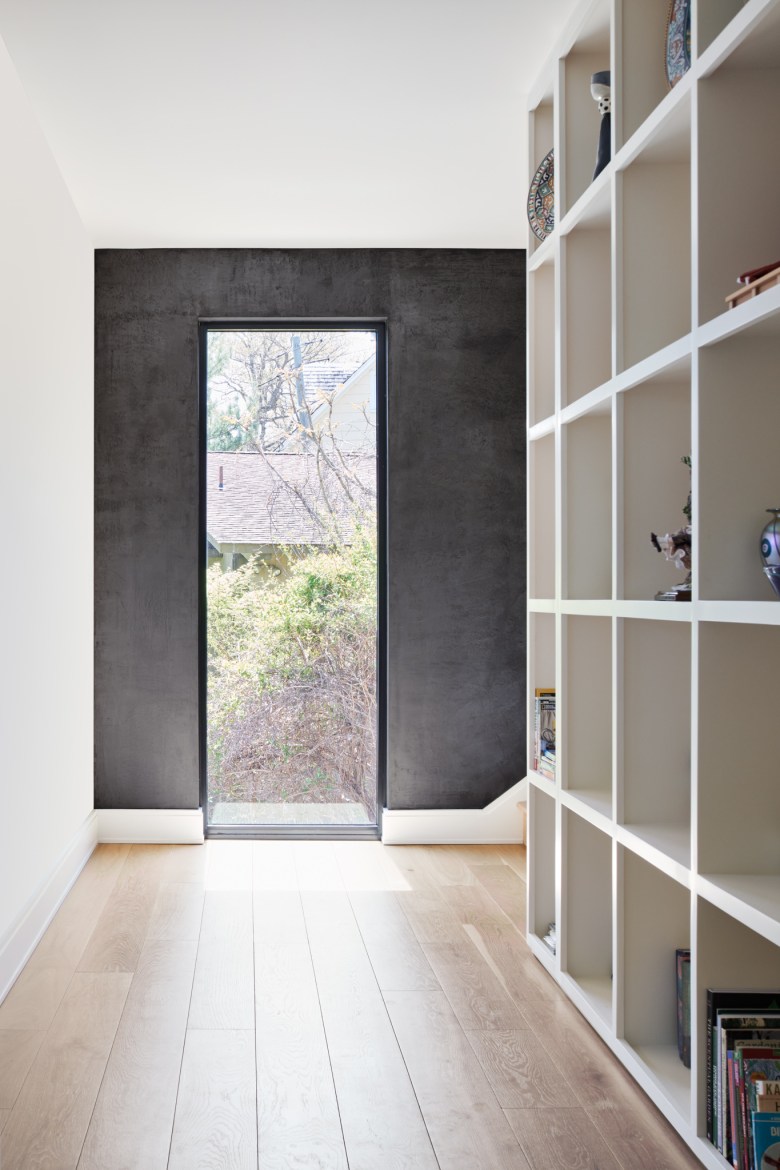
Acoustics: Even in our homes, we should consider acoustic design that creates sensory environments that minimize noise levels in spaces serving people with auditory sensitivities. This means considering the location of HVAC systems, sound-absorbing materials such as carpets and rugs, pillows and textured finishes. Other neurodivergent individuals function better with more stimulation; in this case, adding a fan or including a sound system can be helpful. Understanding the individual or individuals is key.
Floor Plans and Decor: Not everyone experiences space the same way, and for some, balance or motion challenges can make everyday navigation tougher. Easeful wayfinding, including stairs, room transitions, and floor transitions, can reduce the cognitive load, lowering anxiety and frustration. Open floor plans can pose a particular problem for this population in both social anxiety and executive function disruption. Care must be applied in creating spaces for both togetherness and solitude, for small and larger gatherings. Variety is key.
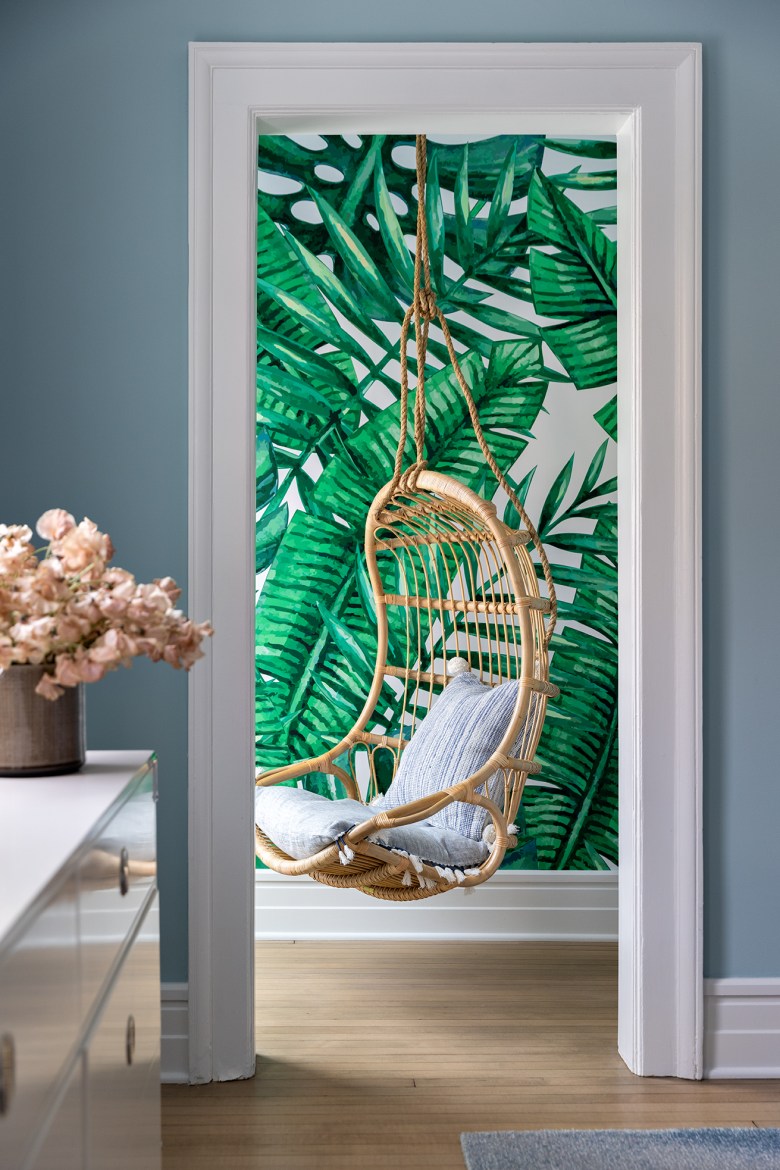
Furniture layout and selection are also important to consider. Flexibility is helpful as it supports changes in development and mood. Curved furniture is easier to navigate at different paces of movement. Textures can be either positive or irritating, depending on the person and the texture. The selections can be specific to the individual.
Many of these considerations are nonbinary, with plenty of middle ground. Whether you are neurodivergent yourself or supporting someone who is, the goal is the same: to ask thoughtful questions, listen closely and help shape spaces that support the well-being of our neurodiverse family, friends and community.

Related
Before you comment on Montclair Local
Comments are moderated. Montclair Local reserves the right to delete or close comments on any story at any time. Please read our → Commenting Policy before commenting.