3 min readNew DelhiFeb 4, 2026 02:58 PM IST
When it comes to fat loss, most people think of running or high-intensity workouts. But James DiNicolantonio, a cardiovascular research scientist, has suggested that walking with the right settings might be one of the most effective, sustainable ways to shed fat.
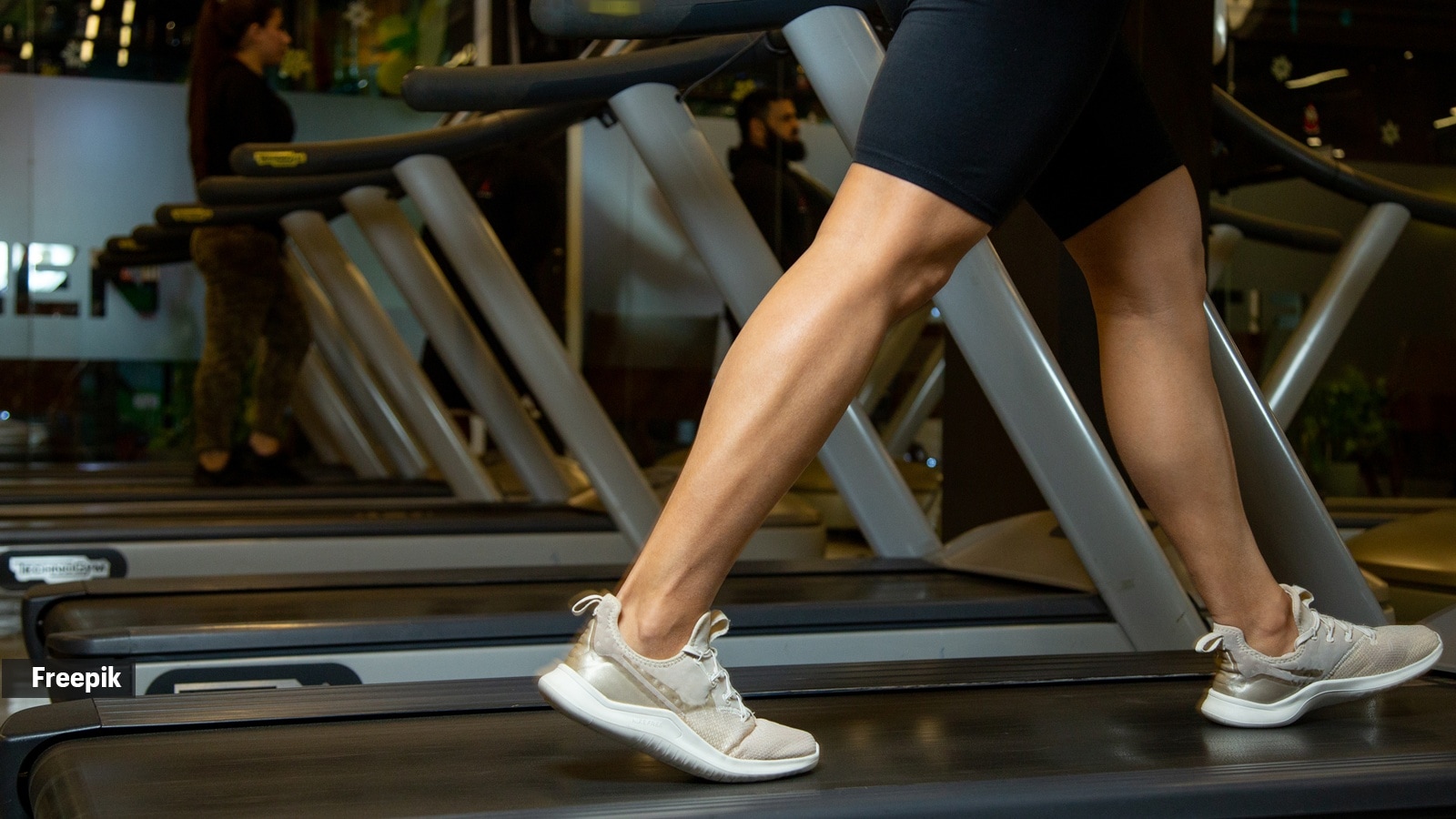
Instead of sprinting on the treadmill, the key may lie in adjusting the incline and speed for steady, controlled movement that engages the right muscle groups and burns more calories. According to the doctor’s advice, setting the treadmill “at 10-12% incline” and walking at “2-4 mph” for 30-60 minutes, three times per week, can help accelerate fat loss.

Walking at an incline increases the intensity of the workout, but it is also a more accessible option for many people. However, how effective this approach is, and who should be trying it, depends on several factors such as fitness levels, age, and any underlying health conditions.
To better understand whether this fat loss method is as effective as it sounds, we asked an expert to share insights.
So, how does walking at an incline between 10-12% at 2-4 mph specifically support fat loss compared to walking on a flat surface or running?
Dr Raj Kumar, senior consultant, Non-invasive Cardiology at PSRI Hospital, tells indianexpress.com, “Walking at an incline challenges the body more than walking on a flat surface because it forces the muscles of the legs, glutes, and core to work harder. This increases calorie burn without requiring high speed. At a steady pace of 2-4 mph, the body stays in a fat-burning zone, meaning it uses fat as the primary source of energy rather than carbohydrates. Compared to running, incline walking has a lower impact on the joints while still being effective for fat loss, making it sustainable for many people over time.”
Risks or limitations people should be aware of when doing incline walking
Dr Kumar notes, “Yes, incline walking is more demanding on the cardiovascular system and leg muscles, so beginners should start with a lower incline and gradually progress. People with heart disease, uncontrolled blood pressure, or joint problems like arthritis should consult a doctor before attempting this exercise.”
Overuse or sudden high intensity can lead to muscle soreness, shin splints, or strain on the knees. It is important to use proper footwear, maintain good posture, and avoid holding onto the treadmill handles constantly, as this reduces effectiveness and can cause imbalance.
Story continues below this ad
How should they combine this treadmill method with diet and other forms of exercise for best results?
Incline walking works best when combined with a balanced approach. A healthy diet with controlled calories, sufficient protein, and reduced processed foods is essential. Along with treadmill walking, adding strength training two to three times per week helps preserve muscle mass, which boosts metabolism.
“Light activities like yoga or stretching can also support recovery. Consistency is key — aiming for 30–45 minutes of incline walking most days of the week, along with mindful eating, will produce better long-term fat loss results than relying on exercise alone,” concludes Dr Kumar.
DISCLAIMER: This article is based on information from the public domain and/or the experts we spoke to. Always consult your health practitioner before starting any routine.