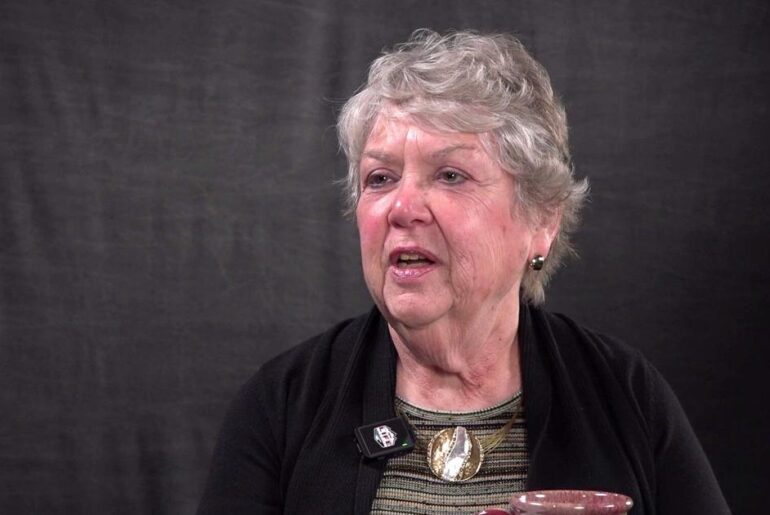
In this episode of Liver Lineup: Updates and Unfiltered Insights, hosts Nancy Reau, MD, and Kimberly Brown, MD, are joined by 2 experts from their respective institutions to unpack the implications of the newly released US Dietary Guidelines and what they mean for patients with liver disease. Amanda Van Jacobs, MS, RDN, a transplant dietitian at Rush University Medical Center, and Jessica Mellinger, MD, a transplant hepatologist at Henry Ford Health specializing in alcohol-associated liver disease, offer a nuanced, clinically grounded discussion that moves beyond headlines to practical patient care.
The conversation opens with a breakdown of what has changed in the most recent dietary guidelines, including the shift in visual messaging from the familiar “MyPlate” to a new inverted pyramid. Van Jacobs highlights one of the most consequential updates for hepatology: a substantial increase in recommended protein intake, a change with important implications for patients with cirrhosis, sarcopenia, and metabolic dysfunction-associated steatotic liver disease (MASLD).
At the same time, the panel grapples with internal inconsistencies in the guidelines, including the prominent placement of red meat, full-fat dairy, butter, and beef tallow alongside continued recommendations to limit saturated fat to < 10% of daily calories.
A major throughline of the discussion is the guidelines’ strongest and clearest message: reduce ultra-processed foods. Van Jacobs and Brown emphasize the need to educate patients on what “ultra-processed” actually means, distinguishing these foods from minimally processed options such as frozen vegetables or packaged nuts. The group underscores that without this context, visual guidelines risk being misinterpreted, leading patients to add recommended foods on top of an already calorie-dense, highly processed diet rather than replacing unhealthy staples.
Mellinger then turns the focus to alcohol guidance, which she describes as notably sparse. While the updated guidelines broadly recommend “drinking less,” they remove specific thresholds and fail to address liver disease directly.
Drawing on evidence from hepatology and oncology, Mellinger reinforces that there is no safe level of alcohol consumption she can recommend for patients with liver disease, and stresses the importance of individualized conversations that consider total health risk, not just cardiovascular outcomes.
Across nutrition and alcohol use, the panel converges on a shared conclusion: guidelines are a starting point, not a substitute for clinician-led education. Meaningful progress, they argue, will require clearer public messaging, earlier education, and systemic changes that address how food and alcohol are marketed, consumed, and understood.
Editors’ Note: Relevant disclosures for Reau include AbbVie, Gilead, Salix, Arbutus, and VIR. Relevant disclosures for Brown include Mallinckrodt Pharmaceuticals, Gilead, Salix, Intercept, Ipsen, and Madrigal. Relevant disclosures for Mellinger include GlaxoSmithKline. Van Jacobs reports no relevant disclosures.
ReferencesBrooks A. New Dietary Guidelines Draw Criticism For High Fat Dairy, Protein Recommendations. HCPLive. January 8, 2026. Accessed February 4, 2026. https://www.hcplive.com/view/new-dietary-guidelines-draw-criticism-high-fat-dairy-protein-recommendationsAASLD. AASLD Raises Concern Over Removal of Evidence-Based Alcohol Guidance in 2025–2030 Dietary Guidelines for Americans. January 9, 2026. Accessed February 4, 2026. https://www.aasld.org/aasld-raises-concern-over-removal-evidence-based-alcohol-guidance-2025-2030-dietary-guidelines