WENATCHEE — The WSU Extension program has been key in nutrition and food education since 1992, when Chelan County became the first in the nation to receive a grant under the federal SNAP-Ed program.
Under Margaret Viebrock, director of Extension services in Chelan and Douglas counties since 1970, those SNAP-Ed dollars — an offshoot of the Supplemental Nutrition Assistance Program, otherwise known as food stamps — went toward classroom education, cooking lessons, community gardens and other efforts. In the 2024-25 program year, the SNAP-Ed grant of $350,000, paid for three full-time positions.
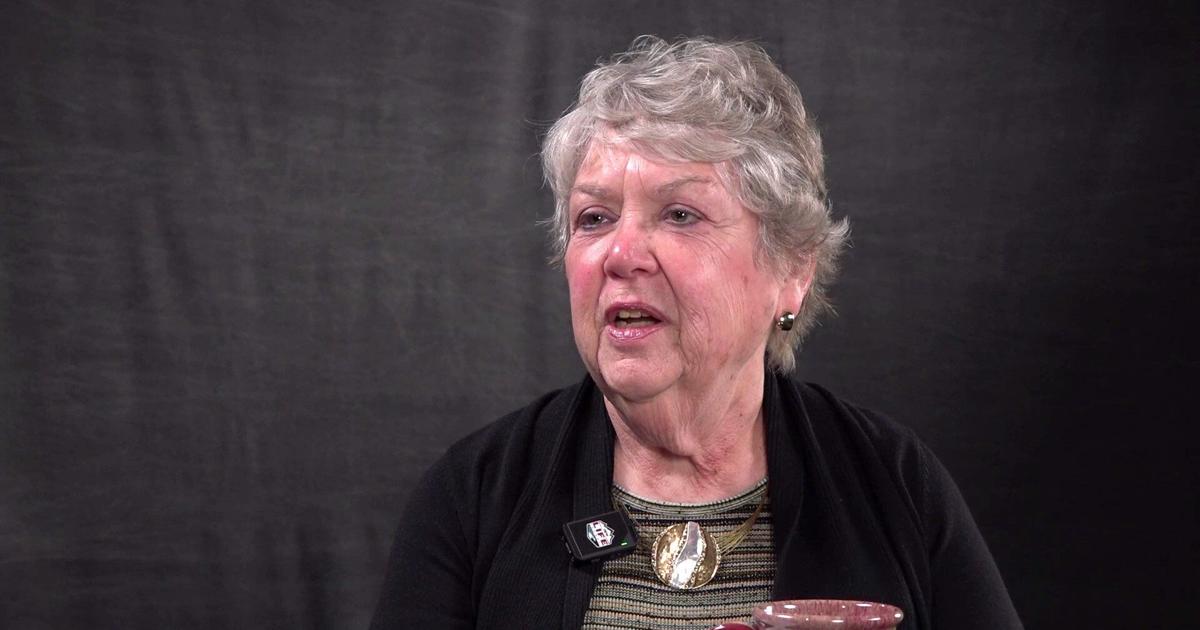
“We were probably in 60 different classrooms, and we took a series of seven classes to those instructional classrooms and cooperated with the teachers, cooperated with the schools,” Viebrock says. “We’re teaching kids how to appreciate good food, but at the same time, we talk talk to them about reading labels, getting more exercise and just learning basic nutrition.”
Congress put an end to the funding source for that program as part of the One Big Beautiful Bill last year. Those three employees no longer have jobs with the Chelan-Douglas Extension agency. Viebrock told NCWLIFE the cuts have forced local nutrition services to change dramatically.
“We’ve had people call and they haven’t realized what happened. We tried to let all of our partners know, but we’ve had still have people call and say, you know, can you come to our agency and do programs?”
One of those partners was the Wenatchee School District, where WSU Extension provided nutrition education at more than 60 classrooms for seven weeks. The agency also helped teach food independence in the school district’s Wenatchee Valley Community Transitions program, which servers developmentally disabled students.
“The reduction in these funds is felt by our students,” district communications director Diana Haglund told Northwest Public Broadcasting. “These lessons provided a bridge between the cafeteria and the classroom, helping students and families understand why healthy choices matter.”
Despite the disappearance of SNAP-Ed, Viebrock continues to educate local populations on food and nutrition. This week, she began a new series of classes in the Manson School District, aimed at Latino parents, on how to shop and prepare food using new dietary guidelines issued by the federal government.
“I don’t speak Spanish, but they’re very good with having interpreters, and they’ve already recruited an audience,” Viebrock says of the schools. “And so I think I think it will go well, but I can only go so far with that part of my program.”
Does she worry that healthy food habits in NCW will begin to backslide if SNAP-Ed programs aren’t recreated? “I don’t think there’s any other agency that will be able to step in and do what we’ve done,” she says. “We still keep our fingers crossed that there might be some new funding coming through, but it’s not looking good.”