Menopause affects more than body
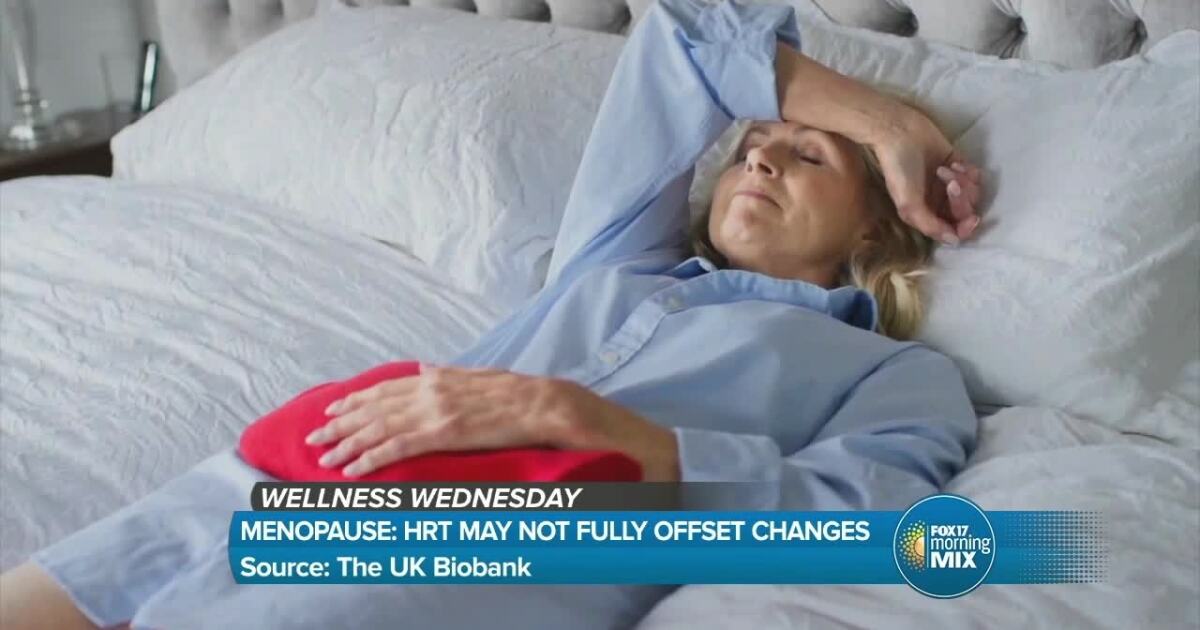
New research shows that menopause impacts mood, sleep, and brain structure. Using data from the UK Biobank found that post-menopausal women had higher rates of anxiety, depression, and insomnia, along with small but measurable changes in brain areas linked to memory and emotion.
Hormone Replacement Therapy, or HRT, did not appear to fully offset these mental health or brain changes, even in otherwise healthy women. Researchers say HRT users actually reported the highest level of psychological symptoms, suggesting many may start therapy after symptoms are already present.
The study highlights the need for more long-term research and personalized care, with support needing to go beyond a single treatment option.
Health impacts of night owls
Being a night owl may come with some heart health consequences, according to a new study in the Journal of the American Heart Association. Researchers found adults who stay up late and are most active at night had poorer cardiovascular health and a high er risk of heart attack or stroke, especially women.
The good news is the risk appears to be driven by modifiable habits like poor sleep, smoking, and diet – not the chronotype itself. To combat this, experts suggest prioritizing sleep, heart-healthy eating, and daily movement.
Running late can be more than time management
Dr. Chivonna Childs, a psychologist at the Cleveland Clinic, says that for those always running late, there might be more than just poor time management. She says many people struggle with “time blindness”, where we think we have more time than we actually do, and keep adding one more task to the list.
Anxiety, depression, and ADHD can all play a role, with chronic lateness impacting work and friendships.
The fix starts with awareness, including night-before prep, setting alarms for when to leave, and utilize time buffers.
Follow the FOX 17 Morning Mix on: Facebook, Instagram, & TikTok