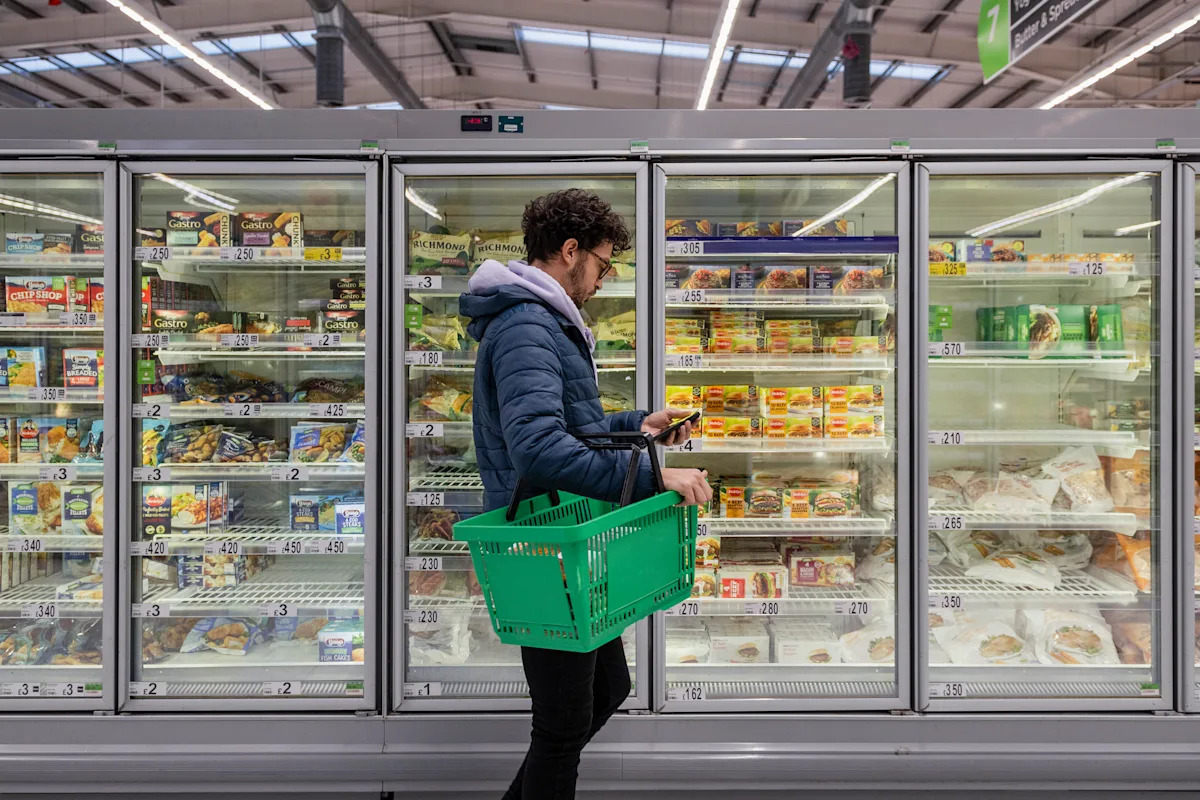
Ultra-processed foods make up a large portion of people’s diets worldwide, but it might be time to rethink adding these products to your grocery cart. According to a new study, these foods are more similar to cigarettes than they are to fruits or vegetables, and they could have major impacts on health.
Researchers from Harvard, the University of Michigan and Duke University have found that ultra-processed foods — like cigarettes, which can raise your risk of heart disease and stroke — are engineered to encourage addiction and compulsive consumption. In fact, their report suggested that producers of ultra-processed foods use the same strategies in the tobacco industry, such as optimizing each “dose” and “accelerating reward delivery” in the body.
In turn, the researchers called out how ultra-processed foods lead to “habitual overuse” and how manufacturers “hijack human biology” to raise the risk of disease and health care costs.
This article is for informational purposes only and is not a substitute for professional medical advice, diagnosis or treatment. Contact a qualified medical professional before engaging in any physical activity, or making any changes to your diet, medication or lifestyle.
One study last year also highlighted how ultra-processed foods might contribute to health problems and deaths across Canada. The research, funded and commissioned by the Heart and Stroke Foundation, suggested nearly four in 10 heart disease and stroke deaths are linked to consuming ultra-processed products.
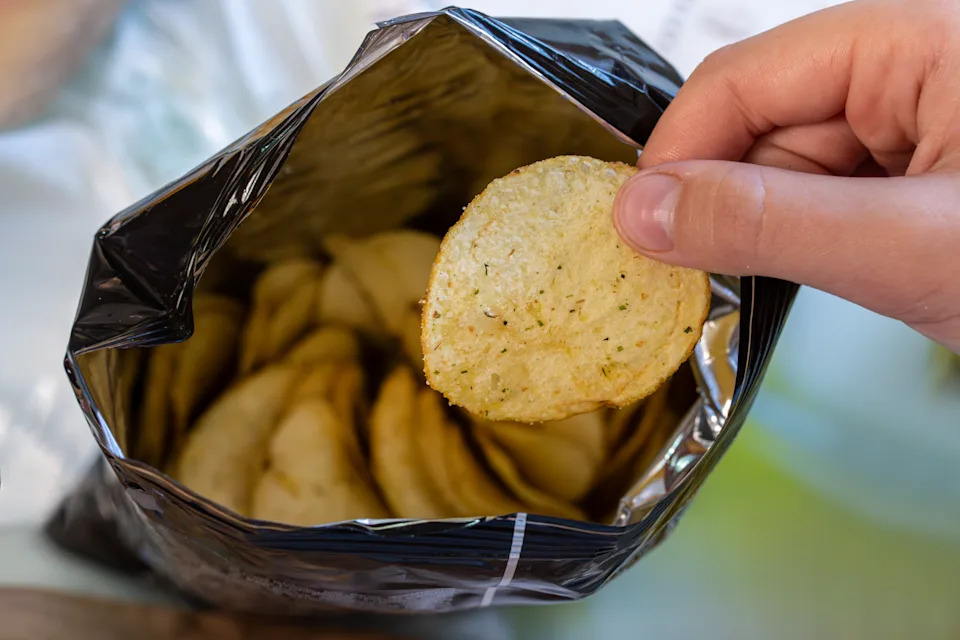
Potato chips may be a fun, tasty snack. However, this ultra-processed product isn’t the best thing for your health. (Getty Images)
(Diy13 via Getty Images)
“More than one-third of all cardiovascular events — or 38 per cent — were associated with ultra-processed food consumption in 2019,” Virginie Hamel, a dietitian and PhD candidate at the Université de Montréal who worked on this study, told Yahoo Canada in a previous interview. “This study … shows how ultra-processed foods are a major component of the burden of heart disease and stroke in Canada.”
The estimated 38 per cent of cardiovascular events linked to ultra-processed food consumption includes more than 96,000 cases of heart disease and stroke, 55 per cent of which were men. There were also more than 17,400 deaths, where 52 per cent were men.
The study also found Canadians over age 20 have diets in which these products make up more than 43 per cent of their total daily energy intake. Now, researchers are pushing for more change and new policies, especially around regulating how ultra-processed foods are marketed to children.
Canadian dietitian Virginie Hamel reminded people there are alternatives to almost all ultra-processed foods. (Getty Images)
(TrongNguyen via Getty Images)What are some of the worst ultra-processed foods?
Hamel said the researchers looked at prior studies of ultra-processed foods Canadians consume most often. “According to the most recent representative data from 2015 in Canada, one of the most ultra-processed foods is commercial bread,” she added.
However, she said some of the other more common ultra-processed foods Canadians consume include chips, frozen meals, cakes, cookies, pies and soft drinks. Other ultra-processed foods may include:
Sweetened breakfast cereals and oatmeals
Reconstituted meat products like hot dogs and fish sticks
Powdered and packaged soups
Ice cream and sweetened yogurt
Margarine and spreads like cream cheese

Ultra-processed foods include products like potato chips, frozen meals, ice cream and soft drinks. (Getty Images)
(Raul C via Getty Images)What are ultra-processed foods?
According to Hamel, processed foods are products that might include sugar, salt or oil before they’re packaged for sale. This is done to increase a product’s preservation, but typically no other additives are included and the processing is more simple. On the other hand, ultra-processed foods have “many processing steps” — like extrusion, moulding and milling — as well as “additives we may never have in the kitchen,” she explained.
When it comes to ultra-processed foods, Hamel said the goal of the products is for shoppers to have something “practical, durable, convenient and appealing,” but they’re “highly-manipulated.” Ultra-processed foods are also high in sugar, salt and fat, while typically being of poor quality and lacking in nutrients. In turn, that can promote weight gain because they don’t make you feel as full.
How can I eat fewer ultra-processed foods?
Hamel noted most grocery stores typically have similar layouts. She suggested shoppers start by going around the store and beginning with sections that hold vegetables, fruits and other fresh foods. If you choose to go through the aisles of processed products, she said it’s a good idea to have a goal in mind.
Hamel advised grocery store shoppers start by going around the market as opposed to beginning with the aisles of ultra-processed foods. (Getty Images)
(Isabel Pavia via Getty Images)
“If you really know exactly what you want, that’s a good thing. But you can get lost easily,” Hamel said, adding she understands it’s not easy for everyone to have time to cook proper meals. In those cases, she suggested people seek out ready-to-eat food products that aren’t necessarily ultra-processed. Otherwise, she reminded people that you don’t have to cook daily and can instead meal-prep for your week.
But for people who might choose to venture down every aisle stocked full of ultra-processed products, she advised checking the ingredients list to ensure you buy better foods. “If there’s a list of many ingredients that we cannot pronounce and we do not have in our kitchen, … this is an indicator that it’s maybe ultra-processed and maybe not a good idea to put in our groceries,” she said.
“We always like to put the weight on people to do better but it’s hard to do better in the context we are in right now.”

The PhD candidate also suggested people who are grocery shopping, especially in the aisles, check the ingredients list of products to see if they’re ultra-processed. (Getty Images)
(dowell via Getty Images)Why experts want ‘change’
Researchers also looked at what would happen if Canadians made changes to their diets. Luckily, there would be an estimated 45,000 fewer heart disease and stroke cases as well as more than 8,000 fewer deaths if people cut their ultra-processed food consumption by half.
Even if people cut their consumption by 20 per cent, there would be positive benefits. In that case, there would be 3,000 fewer deaths and the burden of heart disease and stroke associated with consuming ultra-processed foods would drop by 17 per cent.
On the other hand, there would be higher problems if people consumed 50 per cent more ultra-processed foods. In that case, there would be nearly 3,500 additional deaths annually and 45 per cent of new cases would be related to ultra-processed food consumption.
Hamel said there must be a change in aggressive marketing of ultra-processed foods towards children because it has normalized these products, leaving it difficult for parents to compete. “We need a mentality change, we need a systemic change … and strong policies to help people to reduce their consumption of ultra-processed foods,” she said.
Let us know what you think by emailing us or threading us @yahoocanada. Follow us on TikTok, WhatsApp and Instagram.