ParisSelectBook – Pilates fusion 2026: la tendance fitness qui sculpte le corps et renforce le gainage
At 2026gyms and homes are turning to pilates fusion. This hybrid approach promises a more toned body, without unnecessary shocks. It responds to the need to move better, with concrete results.
What is pilates fusion?
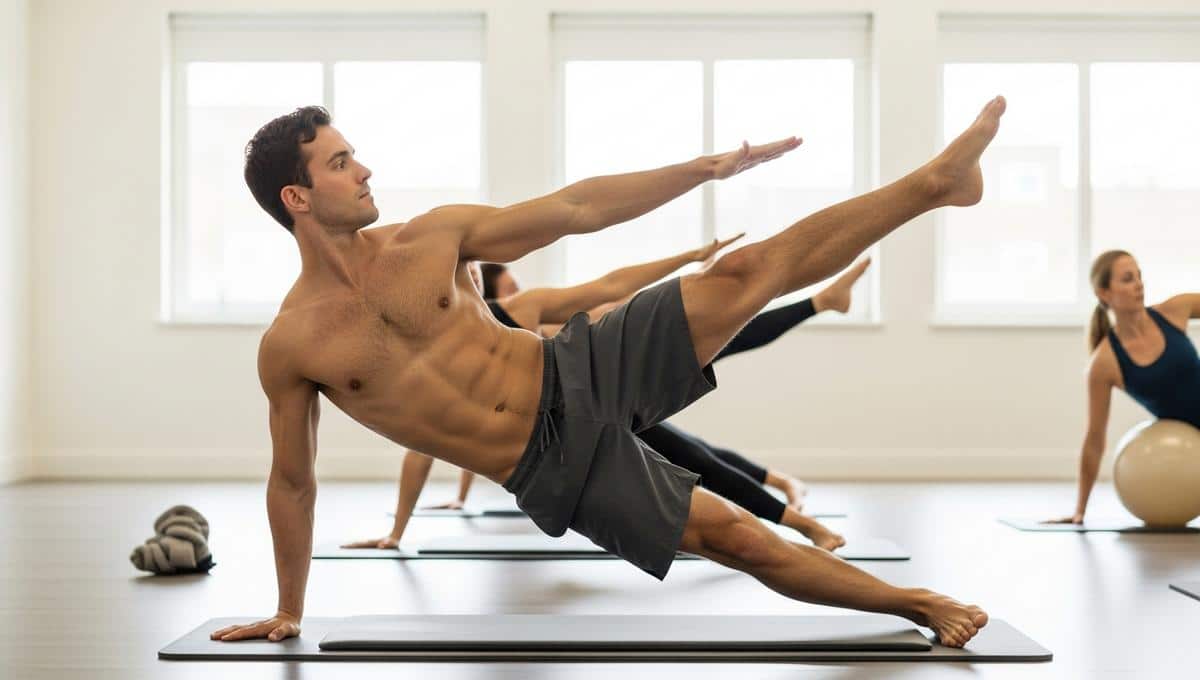
Pilates fusion combines the precision of Pilates with touches of barre, yoga and rhythmic strengthening. The work remains controlled, yet the tempo varies to stimulate the core. In addition, the breath guides each movement to stabilize the core.
Sessions alternate slow series and short pulses, to activate deep muscles and postural chains. Exercise is performed on a mat, sometimes with a ball, ring, bands or small dumbbells. In the studio, machines such as the reformer can be added, but listening to the body remains the priority.
Why pilates fusion will appeal in 2026
This trend is a response to the desire for effective, yet gentle efforts on the joints. According to the wellness media, including Elle, the trend is gaining momentum and taking root. Many people are now looking for classes that sculpt and soothe the mind, without overloading.
“Precise movement, controlled rhythm, lasting progress, without unnecessary pressure.”
The method is suitable for beginners and experienced athletes alike, as the intensity can be adjusted. On the other hand, it requires regularity and technical skill to protect the back. In addition, the support of a trained coach can accelerate progress.
Verifiable benefits for body and mind
At the heart of pilates fusion are 3 simple axes: alignment, breathing and control. As a result, the core becomes stronger and posture more stable. As a result, everyday movements become more fluid.
Prioritize alignment before range of motion.
Breathe evenly to support your core.
Adjust the intensity according to your energy level.
Slow down as soon as your technique deteriorates.
Take note of your sensations to monitor your progress.
Deep strengthening protects the spine, but does not replace medical advice. In addition, a focus on hip and shoulder mobility prevents stiffness. In short, precision takes precedence over quantity of repetitions.
The variable rhythm creates gentle cardio, useful for everyday endurance. However, the session remains low-impact to spare the knees. Also, perceived fatigue should guide the load rather than ego.
The mind benefits from increased concentration thanks to the breath-movement link. As a result, the nervous system calms down and recovery improves over the weeks. On the other hand, turning off the phone and reducing ambient noise really helps.
How to get started without hurting yourself
First, choose a format suited to your level and constraints. Next, try out an introductory class to anchor breathing and placement. What’s more, let your coach know about any past pain before the session.
Think progressive: mastery comes with repetition and a measured load. On the other hand, rushing often results in poor compensation. So give priority to quality of support and a tempo you can control.
Practical questions about pilates fusion
In terms of equipment, a non-slip mat is all you need to get off to a good start. Lightweight accessories can enhance the session: straw ball, ring, bands, small dumbbells. As a result, each movement can be modulated without losing technique.
At home, the video format offers flexibility, yet the eye of a pro corrects better. In the studio, supervision secures placement and motivates adjustments. Alternating between home and studio can be a good compromise.
In the event of pregnancy, acute pain or pathology, seek medical advice. The coach adapts the variations, but you remain the primary regulator of intensity. Pilates fusion remains an evolutionary method, focused on listening and progress.