In a groundbreaking study poised to reshape our understanding of dengue virus transmission, researchers have uncovered intricate immune mechanisms that influence disease patterns among infants in Brazil. The work, led by Hitchings, Huang, Ranzani, and colleagues, elucidates how immune-mediated protection juxtaposed with immune enhancement governs the epidemiology of dengue cases in this vulnerable population. Their findings, published in Nature Communications in 2026, reveal complex interactions between maternal antibodies and infant immune responses, providing critical insights into why some infants are unusually susceptible while others are partially protected during early life.
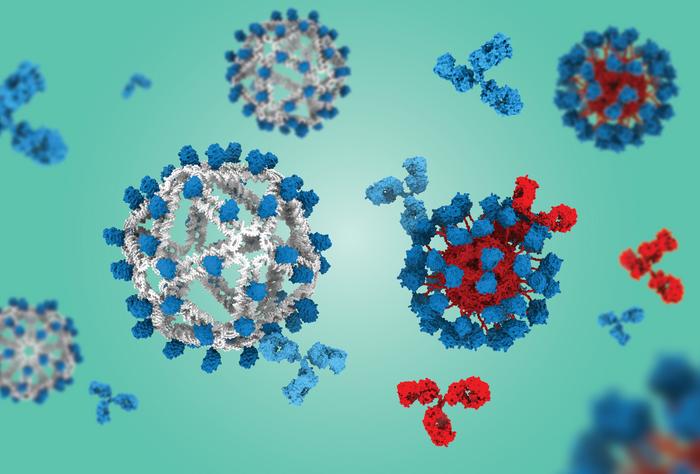
Dengue fever, a mosquito-borne viral illness caused by four distinct but related serotypes of dengue virus (DENV), presents a unique immunological challenge. Infection with one serotype generally confers lifelong immunity against that serotype but only transient and partial immunity against others. This peculiarity of immune cross-reactivity lays the groundwork for a phenomenon known as antibody-dependent enhancement (ADE), where non-neutralizing or sub-neutralizing antibodies facilitate viral entry into immune cells, exacerbating disease severity upon subsequent infection. The new study incisively probes how this delicate balance between protection and enhancement operates in infants who acquire maternal antibodies before their own immune systems mature.
Brazil, a hotspot for dengue transmission with enormous annual disease burden, provides an ideal natural laboratory for this investigation. The researchers meticulously analyzed longitudinal data from infant cohorts spanning multiple years and geographic locations across the country. By correlating clinical outcomes with serological profiles, they demonstrated that maternally derived antibodies initially shield infants against infection. However, as antibody levels wane, these protective effects invert, creating a window during which infants are paradoxically more vulnerable to severe dengue disease through ADE. This biphasic pattern convincingly explains the observed age-distribution of infant dengue cases, a longstanding epidemiological puzzle.
The analytical approach integrated advanced seroepidemiological modeling with immunological assays quantifying concentration and affinity of maternal antibodies against each dengue serotype. Results show that highly specific, high-titer antibodies neutralize dengue effectively during the early months postpartum. Yet, as titers decline below a critical threshold, sub-neutralizing antibodies predominate, facilitating enhanced viral uptake via Fc gamma receptor-bearing cells. The study’s robust datasets underscore that this transition typically occurs between six to twelve months of age, coinciding with the peak in severe infant dengue hospitalizations reported in Brazil.
Importantly, the investigation also accounts for heterogeneity in maternal immune histories and geographic variation in dengue serotype circulation. Mothers with complex exposure histories transmitted a mosaic of heterogeneous antibodies varying in neutralization breadth and potency. This immunological diversity influences the magnitude and timing of infant susceptibility to immune enhancement. The researchers posit that fluctuating serotype prevalence in different regions further modulates the risk landscape, contributing to spatial and temporal clustering of infant dengue outbreaks.
This scientific advance carries profound implications for dengue vaccination strategies, particularly for infants and young children. Current vaccine candidates face challenges related to serostatus and timing of administration, often requiring precise calibration to avoid unintended ADE. Understanding the dynamic interplay between passive maternal immunity and active infant immune development enables rational design of vaccines that synchronize efficacious priming with waning maternal antibody windows, minimizing periods of heightened vulnerability.
The findings may also prompt reevaluation of public health policies targeting vector control and clinical management of dengue in endemic countries. Clinicians and epidemiologists can leverage these mechanistic insights to better identify infants at highest risk for severe disease and prioritize interventions accordingly. Surveillance systems optimized to track antibody landscapes over infancy could anticipate and mitigate impending outbreaks, improving health outcomes through preemptive care.
At the molecular level, the study contributes to the expanding knowledge of flavivirus immunopathology. The precise Fc receptor interactions mediating ADE and subsequent immune cell activation are still not completely resolved, but this work provides an essential framework to explore signaling cascades and cellular targets involved. Follow-up studies may identify biomarkers predictive of immune enhancement, opening avenues for therapeutic antibody engineering that preserves neutralization while abrogating enhancement.
The multidisciplinary collaboration underpinning this research combines epidemiology, virology, immunology, and mathematical modeling in a seamless synthesis. Cutting-edge laboratory techniques including flow cytometry, neutralization assays, and epitope mapping were employed alongside sophisticated statistical frameworks to disentangle complex host-pathogen dynamics. This integrative methodology exemplifies the power of contemporary scientific inquiry to solve pressing global health challenges through cross-domain expertise.
While the study centers on Brazil’s pervasive dengue epidemic, its broader relevance extends to other dengue-endemic regions worldwide. Similar immunological principles likely govern infant susceptibility patterns in Southeast Asia, the Caribbean, and Latin America, making these findings universally applicable. Global health initiatives aimed at sustainable dengue control stand to benefit substantially from integrating such nuanced immunoepidemiological knowledge.
Future research trajectories born from this publication may involve longitudinal birth cohorts combined with detailed immunophenotyping to track individual immune trajectories from birth through early childhood. Coupled with genomic surveillance of circulating dengue strains, this will illuminate how viral evolution interacts with host immunity to shape disease risk. Ultimately, such comprehensive datasets will refine predictive models that forecast outbreak dynamics and optimize disease mitigation efforts.
In conclusion, the pioneering work by Hitchings and colleagues shines a vital spotlight on the complex interplay between immune-mediated protection and enhancement in shaping infant dengue epidemiology. By dissecting the dualistic role of maternal antibodies during early life, this study provides an elegant explanation for observed disease patterns and critical guidance for vaccine design and public health strategies. As dengue continues to threaten millions across the globe, these insights herald a new era of informed intervention capable of reducing infant morbidity and mortality associated with this formidable virus.
Subject of Research: Immune mechanisms regulating dengue virus infection patterns in infants
Article Title: Immune-mediated protection and enhancement of dengue drives patterns of infant cases in Brazil
Article References:
Hitchings, M.D.T., Huang, A.T., Ranzani, O.T. et al. Immune-mediated protection and enhancement of dengue drives patterns of infant cases in Brazil. Nat Commun (2026). https://doi.org/10.1038/s41467-026-69111-x
Image Credits: AI Generated
Tags: antibody-dependent enhancement in denguecomplex interactions in immune responsescritical insights into dengue epidemiologydengue disease patterns in vulnerable populationsdengue serotypes and immunitydengue virus transmission in infantsepidemiology of dengue in Brazilimmune response in dengue feverimmunological challenges of dengueinfant susceptibility to denguematernal antibodies and infant immunitymosquito-borne viral illnesses