Many people turn to fruits to prevent and relieve constipation, and for good reason. The high fiber content in fruit is effective for the common problem, and it comes with important benefits for colon health and weight loss.
What makes the difference is insoluble fiber, one of two types of fiber found in whole fruit.
The other type, soluble fiber, comes with its own unique superpowers, like lowering cholesterol.
Both types are plant-based carbohydrates that can’t be digested so they travel through the body mostly intact.
“They both help with weight management because they both help you to feel full,” Lisa Young, Ph.D., a registered dietitian and adjunct professor of nutrition at New York University, tells TODAY.com.
“But if someone has hemorrhoids or a lot of constipation, then the better one is the insoluble fiber.”
It’s important to drink a lot of water for either type of fiber to work effectively, adds Young, author of “Finally Full, Finally Slim.”
Soluble fiber dissolves in water and forms a gel-like substance in the gut, which binds to cholesterol and helps to prevent the digestive tract from absorbing it. Fruits high in soluble fiber include apricots and oranges.
Insoluble Fiber Benefits
Insoluble fiber doesn’t dissolve in water and pretty much remains whole as it passes through the stomach.
“It bulks up the stool, and it helps move the food through the digestive tract. So it helps prevent constipation,” Young says.
“It helps to prevent colon cancer because the food is kind of moving through you.”
Insoluble fiber has the “ability to bind with carcinogens, mutagens, and other toxic chemicals that are formed during digestion of food” and expel them through a bowel movement, researchers note.
It also speeds up the transit of stool through the body, which means those toxic substances spend less time in the colon, so the gut lining is less exposed to them, another study found.
Drinking plenty of water helps ensure stool is soft and easy to pass.
Adults should eat a daily total of 25-38 grams of fiber.
The rule of thumb is that if you’re consuming fruit with edible skin, you’re getting insoluble fiber, since it’s concentrated in the peel, Young says.
Here are nine fruits highest in insoluble fiber:
Dried Figs.25 cup of dried figs, 3.5 grams of insoluble fiber
A staple in the Mediterranean diet, dried figs are sweet and satisfying. “Figs are a fiber star,” registered dietitian Frances Largeman-Roth previously told TODAY.com.
Dried figs are one of her favorite afternoon snacks. They also make the list of fruits with the most magnesium.
Raspberries1 cup of raspberries, 2.4 grams of insoluble fiber
Raspberries are one of the healthiest berries, delivering antioxidants, vitamins and lots of fiber.
When trying to reach your recommended daily fiber intake, “the easiest thing to do is go buy a ton of raspberries, put them in your fridge and have half a cup with breakfast and have half a cup as an afternoon snack,” Caroline Susie, a registered dietitian based in Dallas, previously told TODAY.com.
Apple1 apple with skin, 1.8 grams of insoluble fiber
Don’t peel your apples — eat the whole fruit to get the maximum amount of insoluble fiber.
“Science also suggests that the beneficial antioxidant properties of apples come from the skin,” notes registered dietitian Natalie Rizzo, nutrition editor for TODAY.com.
Pear1 pear with skin, 1.8 grams of insoluble fiber
Just like with apples, eat pears with the skin since that’s where the insoluble fiber is found. It’s the reason why the peel is a bit tough.
A pear with a nut butter is a high-fiber, high-protein snack — a powerful combination for health and satiety.
Apricots4 apricots with skin, 1.7 grams of insoluble fiber
Nutrient dense, delicious and with a pop of bright orange color, these stone fruits are low in calories and high in fiber.
Apricots also make the list of fruits with the most vitamin A.
Strawberries1 cup of strawberries, 1.7 grams of insoluble fiber
Those little strawberry seeds are full of fiber, and the entire fruit is a favorite, prized for its sweetness, juiciness and beautiful red color.
The plant compounds in strawberries have been linked with health benefits such as reduced blood pressure and cholesterol, Rizzo notes.
Plum2 plums, 1.3 grams of insoluble fiber
Plums are also among fruits with edible skin for a good dose of insoluble fiber. Their deep purple color signals antioxidants and other powerful plant compounds.
Dried plums or prunes are also known for relieving constipation. They contain sorbitol, a naturally occurring sugar alcohol that has laxative properties.
Orange1 orange, 1.1 grams of insoluble fiber
Fiber is a big reason to eat oranges whole rather than juice them. The whole fruit makes a sweet, portable snack that delivers lots of vitamin C and potassium.
Oranges also make the list of fruits with the most protein.
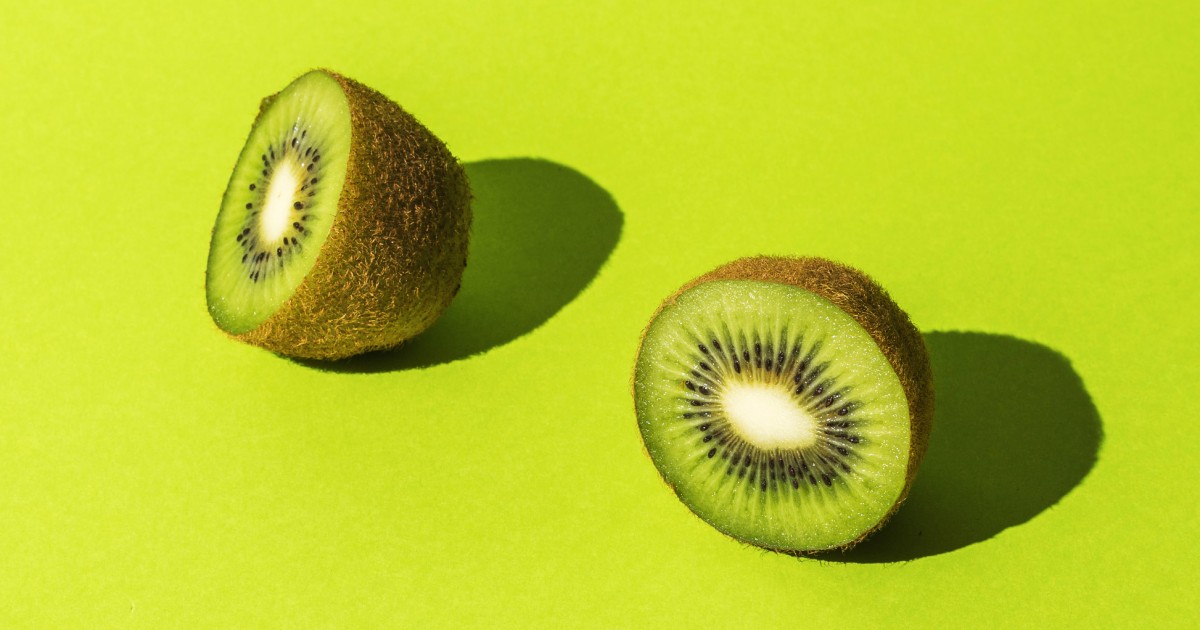
Kiwi1 kiwi, 1 gram of insoluble fiber
Vibrantly green and tart-sweet, this fruit is packed with vitamin C.
People experiencing chronic constipation should eat three kiwis a day, which has been shown to improve stool frequency, according to dietary guidelines published in the Journal of Human Nutrition and Dietetics.
The skin is edible for even more insoluble fiber, but the fuzzy texture is likely not palatable for most people.