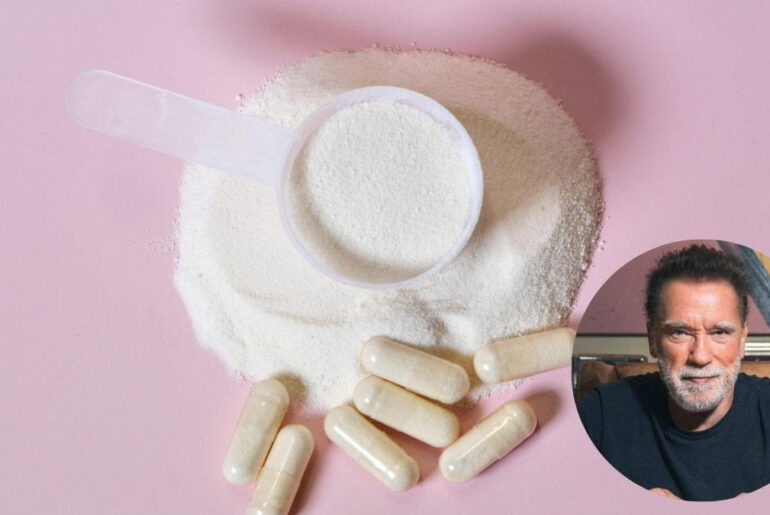
As skin matures, its needs change—and that includes what you put inside your body. While no supplement can replace sunscreen or a solid skincare routine, dermatologists say certain nutrients may help support skin health, collagen production, and inflammation control as we age. Others, however, may do more harm than good if taken unnecessarily.
Here’s what experts say is worth considering—and what may be best left on the shelf.

Struggling With Sleep? This Rechargeable Sound Machine Is A Total Game-Changer

Shutterstock
Worth Considering
1. Multivitamins
Multivitamins support overall wellbeing at any age, but they may be especially helpful for skin health over 50. Dr. Anthony Youn, MD, a plastic surgeon and skincare expert, shared in a YouTube video that he often recommends them for mature women looking to improve skin quality and prevent premature wrinkling.
He advises choosing a “multivitamin that contains vitamin A, C, D and zinc.” These nutrients are particularly important because they contain “antioxidants that are great at defending the body against free radicals,” which contribute to visible signs of aging.
Vitamin C plays a starring role in skin health, too. According to Youn, it’s “essential” when it comes to the “production of collagen,” the protein responsible for keeping skin firm and smooth. As collagen production naturally declines with age, ensuring adequate intake through diet or supplements can help support skin structure from within.
2. Omega-3 Fatty Acids
Omega-3s are widely known for their brain and heart benefits, but dermatologists say they’re also surprisingly effective for skin. Youn recommends “fish oil or even vegan-based omega-3 fatty acids,” noting their ability to calm inflammation and support hydration.
“There are many studies that show that these types of fatty acids and omega-3s in particular are anti-inflammatory and can help to reduce inflammatory skin disorders and soothe and moisturize your skin from the inside out,” he explains.
For aging skin that tends to be drier, thinner, or more reactive, omega-3s may help restore balance and improve overall texture and comfort.

Shutterstock
May Not Be Worth the Hype
1. Vitamin B12
Vitamin B12 is essential for energy and neurological health, but more isn’t always better—especially when it comes to skin. Excess or imbalanced levels of B12 can disrupt the skin’s microbiome, leading to sensitivity and hydration issues.
“Research out of UCLA finds that those who take vitamin B12 supplements can have acne or increased acne,” neuroscientist Robert Love reveals. “I don’t recommend B12 supplements; instead, take a whole B complex.”
Love says this approach is healthier for the brain and body and may even be better for skin overall. As always, it’s important to consult a healthcare provider before starting or adjusting B12 intake to ensure it aligns with your individual needs.
2. Iron
Iron is another supplement often taken unnecessarily. When iron builds up in tissues, it can cause oxidative stress, which damages collagen and elastin—the proteins that keep skin firm, elastic, and youthful.
“Most people in the United States don’t need iron,” Love reveals, adding that only 2% of men and around 10–20% of women are deficient. “If you’re eating eggs or meat, then you’re likely not deficient in iron, but of course check with your medical professional.”
He further warns that iron can “create excess free radicals, and that can damage organs in your body like your skin,” explaining that avoiding unnecessary iron supplements may help protect against “premature aging.” Instead, experts recommend nutrients like vitamin C, which supports collagen synthesis, or zinc, which plays a key role in tissue repair, inflammation reduction, and maintaining a clear complexion.
The Bottom Line
When it comes to anti-aging supplements over 50, targeted support matters more than trends.
Dermatologists emphasize focusing on nutrients that fight inflammation, support collagen, and protect against oxidative damage—while avoiding supplements your body may not need. Always consult a healthcare professional before making changes, because the best glow-up starts with informed choices.