4 min readNew DelhiFeb 7, 2026 12:00 AM IST
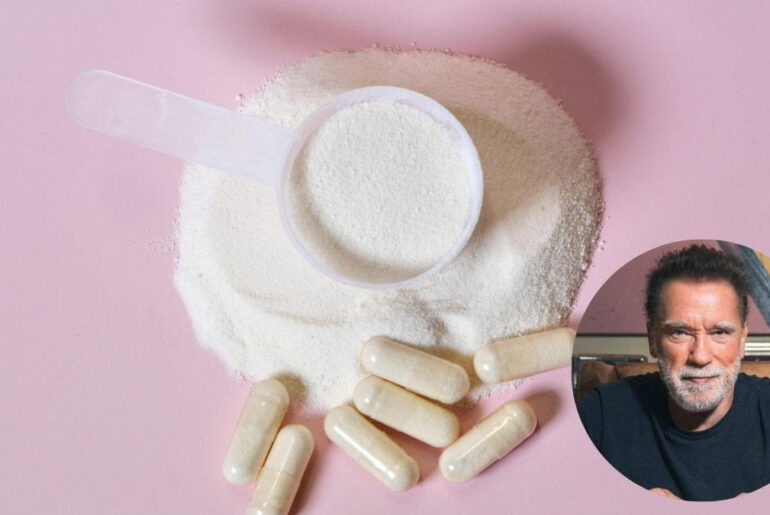
Collagen supplements have become a staple in many health and beauty routines, touted as essential for youthful skin, strong hair, and joint health. But some experts are now challenging their effectiveness. Certified health coach Theo Bergmann recently shared his perspective on why collagen supplements may not be the answer.
Bergmann explained, “What’s the best alternative for collagen? I mean, first of all, collagen doesn’t even work because you can’t produce collagen by consuming collagen. It’s the same as fixing your thyroid by eating thyroid or eating eye to fix your eye health. It doesn’t work like this (sic).”

Instead, he suggests focusing on nutrients that support the body’s natural synthesis of collagen. “You need the building blocks that build collagen. One of the main building blocks and one of the minerals our bodies need the most, actually, is silica. Some of the foods that contain the most silica are asparagus, artichokes, leafy greens (especially dandelion), and melons. One of my favourite sources is nettle leaf, which contains high levels of silica that support collagen formation and connective tissue, and is beneficial for bones, ligaments, and tendons. This is actually how you build collagen.”
But, is there scientific evidence that consuming collagen directly is ineffective?
Dr Gaurav Prakash Bhardwaj, director — Sports Injury, Joint Preservation and Replacement Surgery at PSRI Hospital, tells indianexpress.com, “Collagen is a protein made up of amino acids. When you consume collagen, your digestive system breaks it down into smaller peptides and amino acids, just like it does with any other protein. The body does not absorb collagen in its whole form; instead, it uses these building blocks to make its own collagen where needed.”
So technically, he adds that “eating collagen does not directly increase collagen levels, but it may provide the raw materials the body needs.” Scientific studies have yielded mixed results: some individuals report improvements in skin elasticity or joint comfort with collagen supplements; however, the effects are inconsistent, and further research is needed.
How does silica contribute to collagen production, and are there other nutrients that play a similar role?
According to Dr Bhardwaj, silica is a trace mineral that supports connective tissue health. It supports the activity of enzymes involved in collagen formation and helps maintain the strength and elasticity of skin, hair, and nails.
“Along with silica, other nutrients also support collagen production. Vitamin C is particularly important, as it is essential for the enzymes that stabilise collagen fibres. Minerals such as zinc and copper, as well as amino acids like proline and glycine, also contribute. A balanced diet rich in fruits, vegetables, lean proteins, and whole grains provides these nutrients naturally and supports healthy collagen formation,” mentions Dr Bhardwaj.
Story continues below this ad
Bergmann warns that collagen supplements may be harmful. How valid are his claims?
Currently, Dr Bhardwaj stresses, there is “no strong scientific evidence that collagen supplements harm the liver in healthy individuals. Most studies suggest they are generally safe when taken in recommended doses. However, supplements are not regulated as strictly as medicines, so quality can vary, and contamination is a possible risk.”
People with kidney or liver disease should be more cautious, he adds, as excess protein may strain these organs. As with any supplement, the doctor states, collagen should be used only if there is a clear need and only after consulting a physician, while focusing primarily on a nutrient-rich diet for long-term health.
DISCLAIMER: This article is based on information from the public domain and/or the experts we spoke to. Always consult your health practitioner before starting any routine.