The most recent Dietary Guidelines for Americans have sparked controversy over their recommendations for foods high in saturated fat, while maintaining a saturated fat limit of 10% of total daily calories.
This contradictory guidance has left many Americans with more questions than answers, so we turned to our chief medical officer, Sohaib Imtiaz, MD, to clear up the confusion.
Q: The new dietary guidelines call out full-fat milk, butter, and beef tallow as sources of “healthy fats,” but these options are pretty high in saturated fat. Is saturated fat good for you?
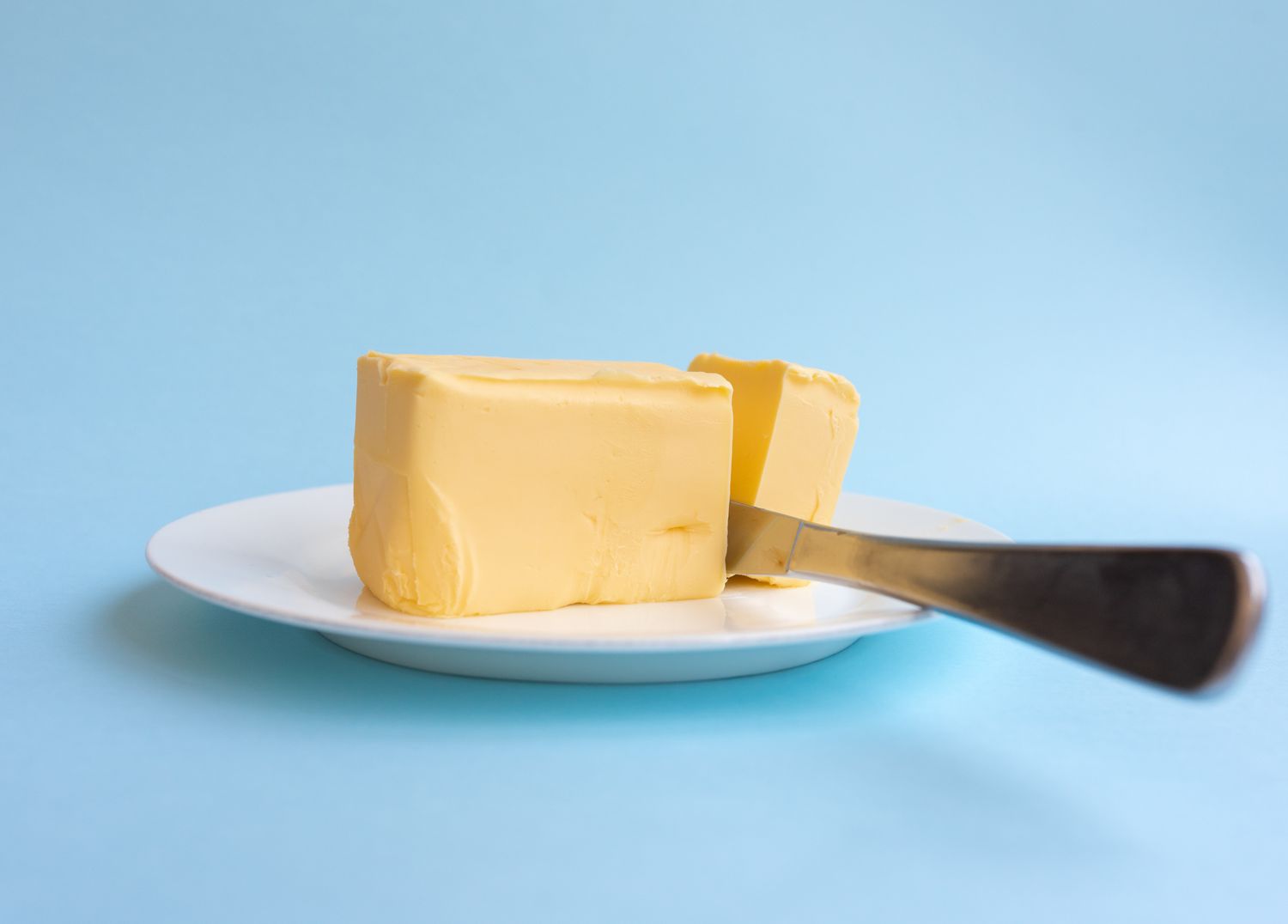
Imtiaz: There’s nothing wrong with full-fat milk if you have it in normal amounts, but for people who are already eating too many calories, that will push them into gaining more weight and getting obesity and all the risks that come with that.
The American Heart Association says dairy fat may be slightly less harmful than other saturated fat sources (i.e., those with more trans fat), but it’s far less beneficial than plant-based fats, especially polyunsaturated fatty acids.
But the problem with the guidelines is that they don’t emphasize plant-based and seafood fat sources for greater health benefits over animal sources like steak and butter. This might encourage people to go out and have more steaks and butter, which we know is going to increase their cardiometabolic risk and risk of heart disease.
The guidelines say we should limit saturated fat to 10% of our daily calories, but also recommend beef tallow as a healthy fat. But beef tallow contains about 50% saturated fatty acids. If you follow a 2,000-calorie diet, eating two tablespoons of beef tallow will put you close to the daily limit.
On the other hand, unsaturated fats like olive oil, nuts, and fish provide cardiovascular protection, so they should have been highlighted much more in the guidelines.
We know that replacing saturated fats with unsaturated fats reduces cardiovascular risk. So that’s what should be emphasized, not just “Hey, take fats instead of carbs,” because it puts carbs at the bottom and demonizes carbs.
When your fat intake goes up considerably, your calorie intake will also go up. We know Americans are already eating too many calories, so it’s not the best to recommend higher fat consumption.
Verywell Health uses only high-quality sources, including peer-reviewed studies, to support the facts within our articles. Read our editorial process to learn more about how we fact-check and keep our content accurate, reliable, and trustworthy.
U.S. Department of Agriculture. Dietary Guidelines for Americans, 2025-2030.
American Heart Association. Fats in foods.
USDA FoodData Central. Fat, beef tallow.
Hooper L, Martin N, Jimoh OF, Kirk C, Foster E, Abdelhamid AS. Reduction in saturated fat intake for cardiovascular disease. Cochrane Database Syst Rev. 2020;5(5):CD011737. doi:10.1002/14651858.CD011737.pub2

Dr. Imtiaz is the Chief Medical Officer for the People Inc. Health Group. He is a board-certified lifestyle medicine doctor who brings expertise in digital health, preventive medicine, and human behavior.
Thanks for your feedback!
What is your feedback?
Helpful
Report an Error
Other