Reviewed by Dietitian Katey Davidson, M.Sc.FN, RD, CPT
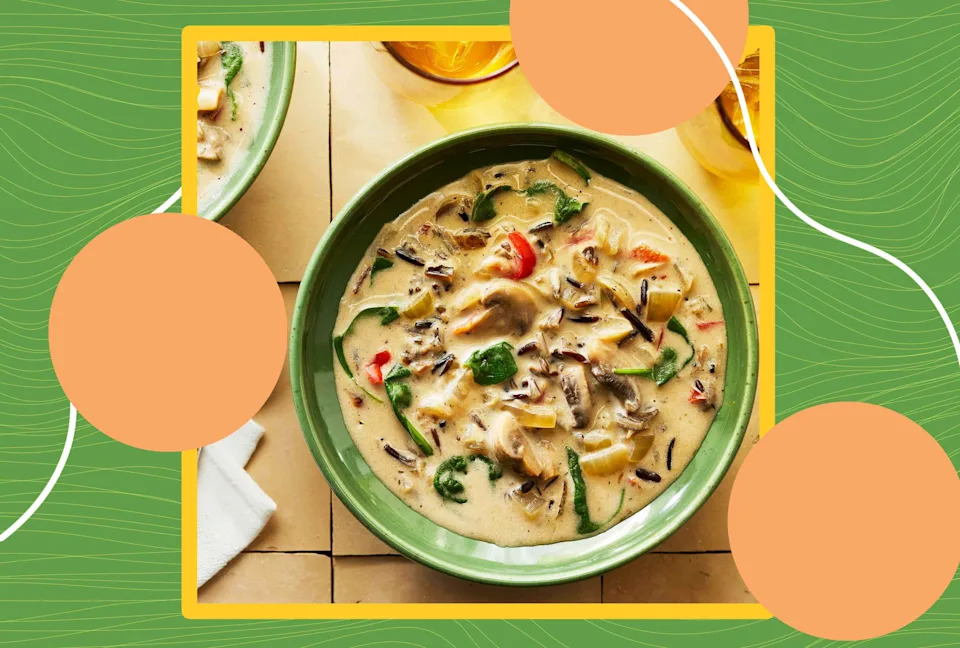
Photographer: Marty Baldwin. EatingWell design.
Key Points
Boost vitamin D with salmon, mushrooms, flounder and fortified tofu.
Other important nutrients for women over 40 include calcium, magnesium, protein and fiber.
While a food-first approach is best, some individuals may benefit from a vitamin D supplement.
Nutrition plays an important role at every stage of life, but after 40, women may need to pay extra attention as the body’s needs begin to shift. Experts say vitamin D is one of the most commonly underconsumed vitamins among women in this age group.
“Beyond its well-known role in calcium metabolism and bone health, it is involved in many aspects related to women’s health, including supporting thyroid function, the immune system and blood sugar regulation,” says Hennis Tung, M.S., RD.
Since food sources of vitamin D are limited and it can become harder to get enough through sunlight alone—especially if you spend more time indoors or regularly wear sunscreen—some individuals may benefit from a supplement. However, there are a few foods that can also help you meet your vitamin D needs. To help close the gap, we spoke with dietitians to learn which foods women over 40 should prioritize to increase their vitamin D intake.
Salmon
Salmon is one of the best foods to boost your vitamin D intake. A 3-ounce cooked serving of sockeye salmon provides roughly 70% of the Daily Value.
“I often recommend salmon as a food source of vitamin D for my female clients over 40 because it contains many other beneficial nutrients for this age group, such as omega-3 fatty acids, zinc and magnesium,” says Talia Follador, RDN. These nutrients support heart and brain health, strengthen the immune system and contribute to bone and nervous system function.,
Adding salmon to your diet doesn’t have to be complicated or time-consuming. Canned salmon with bones is a particularly good source of both calcium and vitamin D, plus it’s incredibly versatile and easy to prepare.
Tofu
“Fortified tofu is an underrated nutrition win for women over 40,” says Amy Brownstein, M.S., RDN. Each 3.5-ounce (100-gram) serving delivers about 12% of your daily vitamin D needs. “Plus, it’s packed with calcium to support bone health and low in saturated fat, which is beneficial for heart health,” Brownstein adds. Tofu is also a source of complete, plant-based protein, providing around 10 grams per serving.
Research suggests that modest tofu intake may reduce the risk of heart disease, particularly for pre- and postmenopausal women who are not on hormone therapy, says Brownstein. Additionally, higher soy intake is linked with a lower risk of breast cancer in pre- and postmenopausal women.
It’s important to know that not all tofu is a good source of vitamin D, so look for “fortified” on the package.
Mushrooms
Mushrooms are another standout choice for boosting vitamin D intake. “As the only produce item capable of naturally producing vitamin D when exposed to UV light, mushrooms offer a plant-based source of this essential nutrient,” says Lauren Manaker, M.S., RDN, LD.
Some wild mushrooms naturally provide vitamin D because they grow in sunlight. For example, 1 cup of raw morel mushrooms contains about 17% of the DV. Most commercially grown mushrooms are grown in the dark and contain very little vitamin D, but some are exposed to ultraviolet light after harvest to increase their content. In fact, 1 cup of UV-exposed cremini mushrooms provides about 1,100 IU of vitamin D, which is 139% of the DV.
“In addition to vitamin D, mushrooms are one of the richest dietary sources of ergothioneine (ERGO), a unique amino acid linked to brain health,” says Manaker. Research suggests that lower blood levels of ERGO may be associated with cognitive decline, while higher mushroom consumption has been linked to better cognitive performance in older adults.,
Flounder (Wild Alaskan Sole)
Flounder—also known as wild Alaska sole—is a lesser-known fish that provides a solid amount of vitamin D. While it contains less vitamin D than fatty fish like salmon, it still contributes to daily intake, as a 3-ounce cooked serving provides 15% of the DV.
What sets flounder apart is its mild, delicate flavor and versatility in the kitchen. It pairs well with vegetables, whole grains and healthy fats like olive oil, making it an excellent base for nutrient-packed meals.
“Beyond vitamin D, flounder is a good source of selenium, which supports immune function and protects cells from oxidative stress, and B vitamins, which aid in energy production,” says Manaker.,
Other Nutrients to Focus On
“Vitamin D does not work in isolation,” says Lynette Gogol, D.O., DipABLM. “It functions as part of a broader network of nutrients that support musculoskeletal, metabolic and nervous system health,” she adds. Here are some other important nutrients for women over 40:
Calcium. Calcium is essential for bone health, especially since vitamin D helps the body absorb calcium. It also supports muscle, heart and nerve function. Good sources include dairy products, fortified foods, leafy greens, canned fish with bones and plant-based options like tofu, beans, sesame seeds and almonds.
Magnesium. This mineral plays an important role in how the body uses vitamin D and supports muscle relaxation, nerve signaling and sleep quality. Magnesium-rich foods include leafy greens, legumes, nuts, seeds and whole grains.
Protein. “Adequate protein intake becomes increasingly important with age to help preserve lean muscle mass and support metabolic health,” says Gogol. Aim to include a variety of animal and plant-based sources of protein to maximize nutrient intake.
Fiber. Dietary fiber is vital for overall health, with higher intakes linked to a lower risk of heart disease, type 2 diabetes, obesity and certain cancers. To boost fiber, eat more fruits, vegetables, legumes, whole grains, nuts and seeds.
Our Expert Take
Many women over 40 fall short on vitamin D, an important nutrient and hormone that supports many aspects of health. Dietitians recommend a food-first approach, emphasizing vitamin D-rich options such as salmon, fortified tofu, flounder and mushrooms. For most women, focusing on these nutrient-packed foods is the best way to meet daily needs, though a health care provider may recommend a supplement if needed. Prioritizing these foods can help support bone, heart, brain and overall health as you age, making it easier to feel your best every day.
Read the original article on EatingWell