Quick health fixes are often attractive, but unsustainable.
True change comes from making consistent choices, whether that’s regularly exercising or being mindful about what you put on your plate.
Melanie Murphy Richter, a registered dietitian, says that healthy aging in particular isn’t driven by extremes or short-term fixes.
You may like
“It’s shaped by daily habits that reduce metabolic and inflammatory stress over time,” she says.
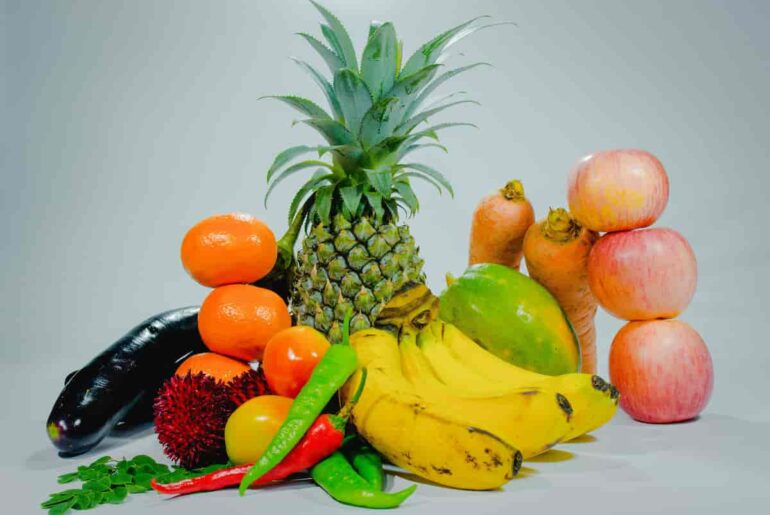
“Eating patterns that are plant-forward, minimally processed, supportive of gut health, and balanced in protein help create an internal environment that supports resilience, adaptability and long-term healthspan.”
This means, while there are plenty of things you could be doing more of, there are also some things you could be doing less of or cutting out altogether.
Murphy Richter has identified five eating habits that might be accelerating the aging process, and has advice on what to do instead to feel your best—now and in the future.
1. Regular overconsumption of sugar and refined carbohydrates
“Frequent blood sugar spikes place ongoing stress on the body,” says Murphy Richter. “Over time, this can contribute to insulin resistance, inflammation and oxidative stress—all of which are closely linked to faster biological aging, cardiovascular disease and cognitive decline.”
The word to pay attention to here is overconsumption. Murphy Richter isn’t suggesting you throw out every carb in your pantry that is sugary or isn’t wholewheat, but rather that you should consider other options as often as possible.
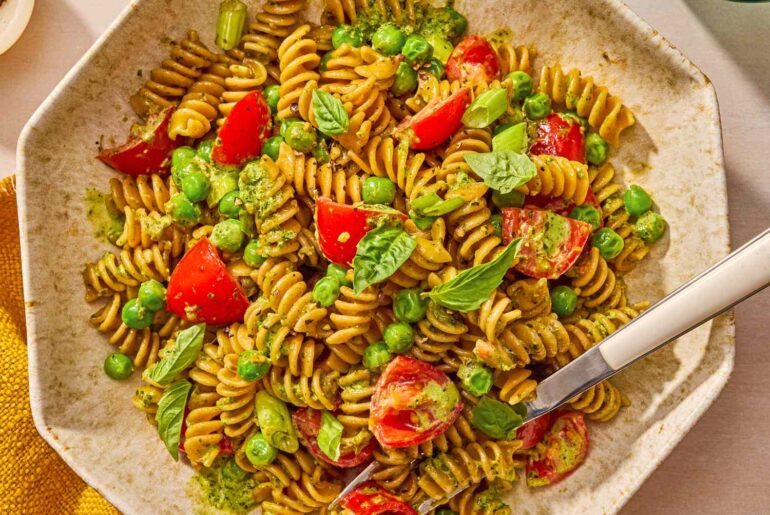
If you like white pasta (who doesn’t?), try not to eat it every day and swap some of your portions for an unrefined alternative.
You may like
“Eating patterns that emphasize fiber-rich plants, healthy fats and balanced meals help keep glucose levels steady and reduce long-term metabolic strain,” she adds.
2. Heavy reliance on ultra-processed foods (UPFs)
Highly processed foods are hard to completely avoid but cutting down on the amount of UPFs—such as factory-processed meats, sugary cereals and sodas, and high-salt ready meals—is definitely advised.
“Ultra-processed foods tend to crowd out the nutrients the body needs to age well,” says Murphy Richter.
“Many contain inflammatory fats, refined carbohydrates and additives that can disrupt gut health and metabolic function over time.”
Instead, favor meals made from whole foods. “Longevity-supportive diets are built primarily around whole, minimally-processed foods that nourish both the gut and the cells.”
3. Consistently high animal protein intake over decades
The link between colorectal cancer and processed and red meats is well established, but many people still struggle to associate this with longevity.
“Diets that skew heavily toward animal protein—especially when plant intake is low—have been associated with greater activation of biological pathways linked to cellular aging,” says Murphy Richter.
“A more plant-forward approach, with thoughtful and age-appropriate inclusion of animal protein, is associated with better metabolic health and longer healthspan.”
4. Ignoring gut health until problems arise
“Gut health influences far more than digestion,” says Murphy Richter. “It plays a key role in immune function, inflammation, metabolism and even brain health.
“When gut health is neglected for years, it can quietly accelerate aging across multiple systems.”
So while it’s important to cut out foods that are bad for you, it’s equally vital to add in a variety of foods that keep your digestive system in peak condition.
“Diets rich in diverse fibers, fermented foods, and consistent meal timing help support a resilient microbiome over time,” says Murphy Richter.
5. Chronic under-fueling and metabolic stress
Murphy Richter’s final point highlights how important it is to be both consistent and not cruel to yourself.
When you focus too much on restriction, it can age your body, just as overconsumption can.
“Long-term restrictive eating, frequent meal skipping, or inconsistent nourishment can place chronic stress on the body. This can negatively affect hormones, muscle preservation and metabolic flexibility,” she explains.
“Healthy aging is better supported by consistent, adequate nourishment that meets the body’s needs while maintaining metabolic resilience.”
For example, muscle is a hungry tissue, and to maintain adequate muscle mass into our senior years— to protect the skeleton, help control blood sugar and support metabolic health—we need to support it with an appropriate diet and exercise.
About our expert About our expertMelanie Murphy Richter
Social Links Navigation
Registered Dietitian Nutritionist
Melanie Murphy Richter is a registered dietitian nutritionist and was awarded 2023’s “Recognized Young Dietitian of the Year” award by the Academy of Nutrition and Dietetics.