Who among us wouldn’t like to have full, volumised, bouncy hair? Sure, finding the best shampoos and conditioners for your hair type is a great place to start when it comes to taking care of your hair, and moisturising hair masks and oils will add an unreal shine to your lengths.
But, as is often the case with beauty, nourishing your hair from *within* can be far more effective than anything you may apply topically. That’s where the best supplements for hair come in.
As someone with fine and flyaway-prone wavy hair, I’ve made it my mission to find the right products to tame my tangles and bring out my natural curl pattern without weighing down my waves. Of course, my hair goals are unique and there are plenty of hair concerns any one individual could wish to address: whether your hair has recently started thinning or has always lacked fullness, whether you’re experiencing hair loss due to hormonal changes or simply want more bounce, shine and fullness.
Luckily, there are loads of supplements for hair available right now, many of them tailored to suit a plethora of different hair concerns, but tackling such a saturated market can be daunting. The search for the best supplements for hair often produces more questions than answers – what ingredients should I be looking for in a hair supplement? What on earth are DHT blockers? And crucially: which hair supplement is the best for my specific concerns?
The answers are not so straightforward, which is why I’ve gone on a deep dive to answer these questions for you, recruiting the help of hair industry experts for their advice. Find their answers to my burning hair supplement questions below, and keep scrolling to shop the best supplements for hair for yourself.
Best supplements for hair at a glance:Why does hair start thinning?
“Hair thinning is primarily driven by the influence of androgens, particularly dihydrotestosterone (DHT), on hair follicles,” says Hannah Gaobardi, Celebrity Trichologist, “this leads to a gradual shrinking and miniaturization of follicles, ultimately causing them to produce finer, shorter hair until they cease to produce hair altogether.”
According to Gaobardi, changes caused by hormonal shifts can also play a huge factor: “menopause can cause hair thinning and female pattern hair loss due to hormonal changes,” she continues, “primarily the drop in oestrogen and progesterone. Lower oestrogen shortens the hair growth cycle, while higher relative levels of androgens (like DHT) can shrink hair follicles, leading to thinning.”
While it’s not possible to reverse the effects of hair thinning completely, Gaobardi points out, you’re likely to have the most luck treating your scalp with “medications which work to widen the blood vessels, improving blood flow to hair follicles, and potentially prolonging the growth phase of hair follicles. This,” Gaobardi states, “can lead to hair regrowth and a reduction in hair loss.”
Pupinder Ghatora, pharmacist and co-founder of INGENIOUS, weighs in on the importance of collagen for our hair health. “As we age, collagen production declines, which weakens our skin and can cause hair follicles to shrink. Collagen plays an important role in forming keratin and in supporting the strength and elasticity of the dermis (where your hair roots live). When collagen levels decline, the scalp environment becomes less supportive of healthy hair growth, increasing the likelihood of thinning.”
“While genetic hair loss cannot be fully reversed,” he continues, “thinning associated with ageing, hormonal changes or lifestyle factors can often be supported. Maintaining collagen levels through diet or supplements may help support follicle health, prevent further thinning and support ongoing hair growth.”
What should I be looking for in a hair supplement?
“When choosing a hair supplement, it is important to look for ingredients that support the structure of the hair follicles and overall scalp health,” says Ghatora, “collagen is a key component as it provides the amino acids required to form keratin and can also help maintain the integrity and elasticity of the dermis by stimulating collagen production in specialised cells known as fibroblasts.”
Gaobardi adds that we should be looking for nutrients like protein, iron, zinc, biotin, vitamins A and E, and omega-3 fatty acids, which she states are “essential for maintaining healthy hair growth, strength, and texture. Protein, in particular,” she shares, “is a building block for hair, and its deficiency can lead to hair thinning and loss. Iron supports the delivery of oxygen to hair follicles, while zinc aids in hair tissue repair. Biotin is crucial for keratin production, a protein that forms the structure of hair.”
But it’s not just what’s in our supplements that matters, it’s also important to make sure these ingredients are absorbed into our bodies effectively, as Ghatora points out: “products that prioritise bioavailability and repeatable dosing are more likely to provide results than formulations that solely focus on ingredient quantities. This is important because many protein based supplements will be broken down by stomach acid and pepsin enzymes before they reach the small intestine, therefore meaning very poor absorption and hence low efficacy.”
Emily English, Nutritionist and Founder of Epetōme, points out the importance of establishing a healthy diet before we look at adding any supplements into our routines: “skin, hair and nails are built from the nutrients we eat every day. If you are not getting enough protein, healthy fats, or key vitamins and minerals, your body will prioritise more essential functions first, and that is often when you start to notice things like thinning hair, brittle nails or dull skin.”
Are expensive hair supplements more effective?
“Not necessarily,” insists Ghatora, “price isn’t a reliable indicator of effectiveness when it comes to supplements. What matters most is the quality of ingredients and whether they are absorbed predictably by the body. Many higher-priced formulations rely on large doses without clear evidence of how much actually reaches the bloodstream.”
“A well-formulated supplement with targeted, repeatable delivery can be more effective than a more expensive alternative that lacks absorption control. In this context, consistency and bioavailability are more important than price point.”
English adds: “what matters most is whether a supplement is evidence-based, well-formulated and used for the right reason,” so if you’re keen to start shopping for one of the best supplements for hair yourself, I’ve rounded up my top picks – at all budgets – below:
The best supplements for hair to shop in 20261. Viviscal Healthy Hair Vitamins
(Image credit: Vivascal)
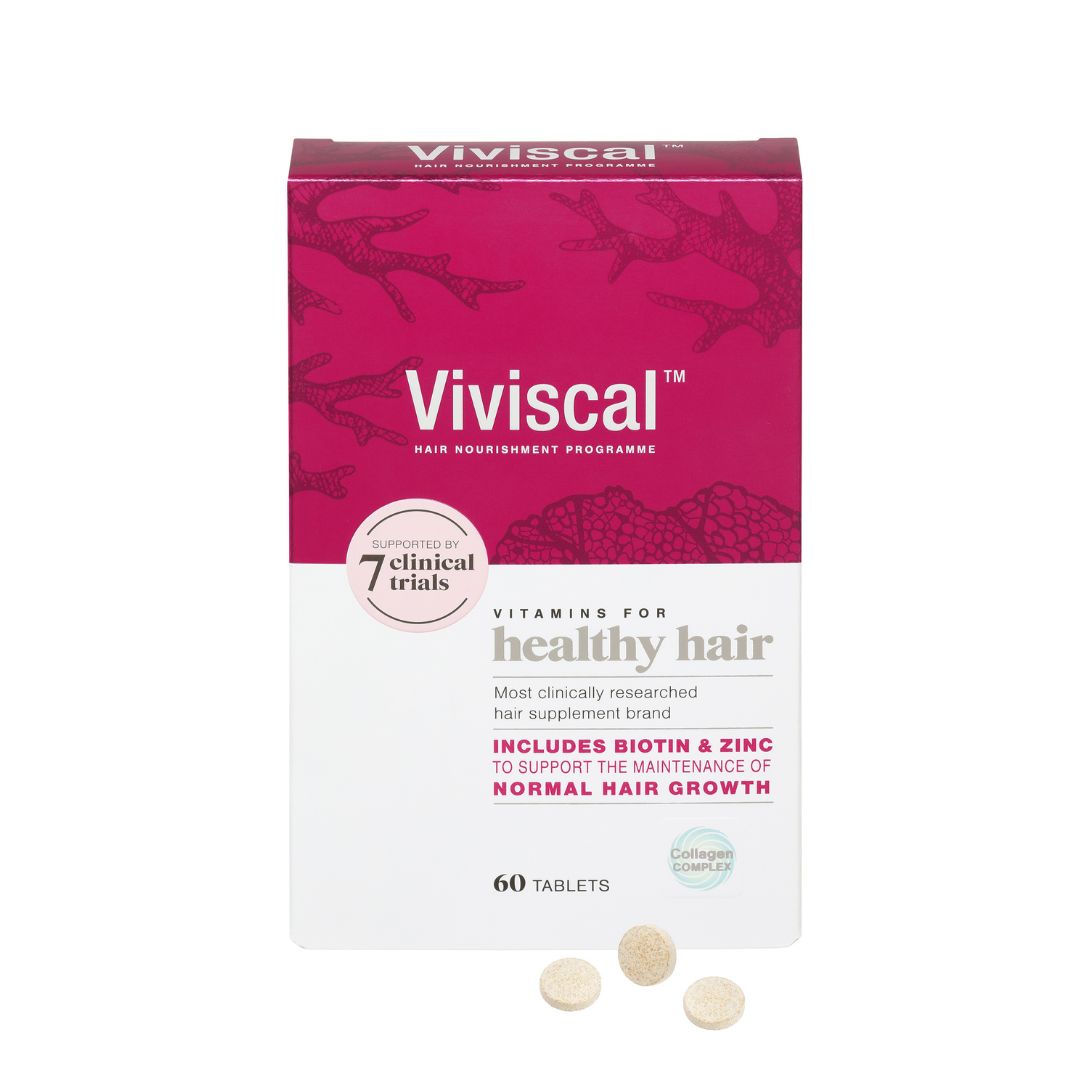
Viviscal Healthy Hair Vitamins
Best for healthy hair growth
Specifications
Type of collagen: Tablets
Key ingredients: AminoMar C™ marine collagen complex, vitamin C, zinc
“There are so many supplements on the market, however a clinically backed supplement like Viviscal is a trusted source to ensure you are taking the correct and right doses. This supplement includes all the vitamins and minerals needed for hair health. With nutrients and minerals like Biotin and zinc which help build the protein back in the hair shaft and maintain structure and strength. Vitamin C also helps to store iron, which will further help reduce shedding.” – Hannah Gaobardi, Celebrity Trichologist
(Image credit: Hair + Me)
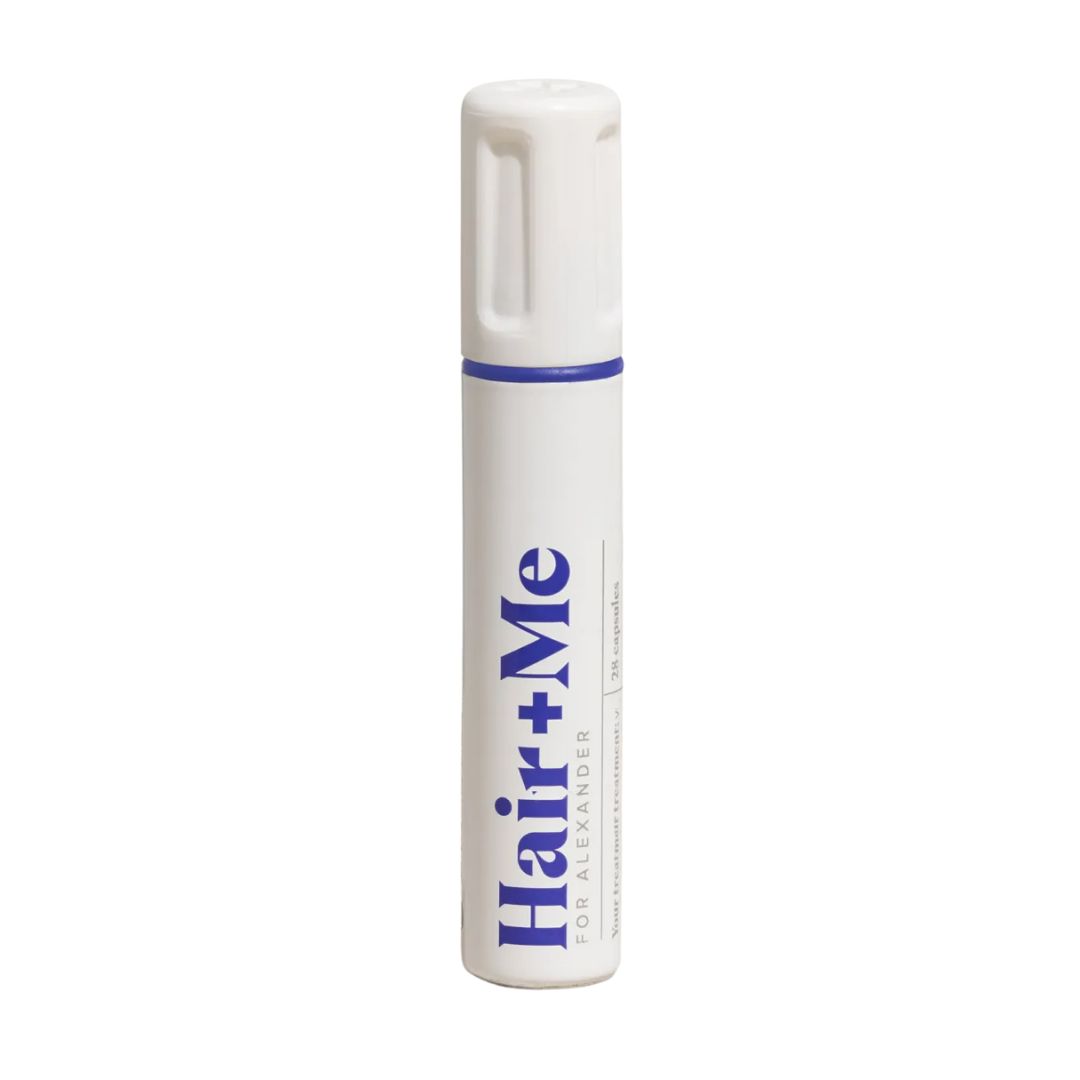
Hair + Me The Capsules
Best for thinning hair
Specifications
Type of supplement: Capsules
Key ingredients: active ingredients are personalised to your needs
These clever capsules are personalised to suit your hair’s *specific* needs: whether you’re looking to help with pattern hair loss, hair thinning, density, regrowth, or general scalp and hair health. You only have to take one potent capsule a day, making it great for those who aren’t a fan of swallowing multiple pills in one go.
3. Victoria Health Superior Hair
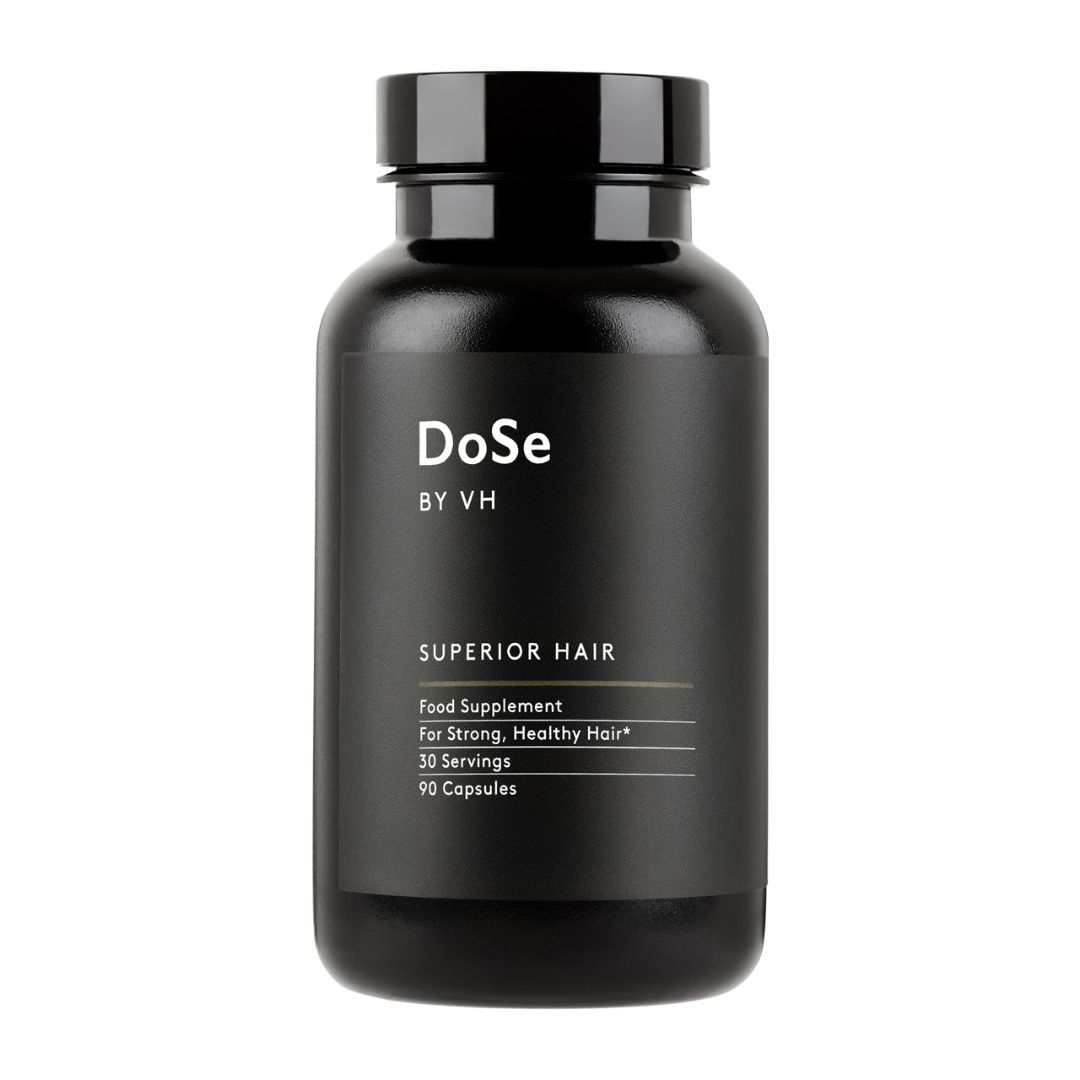
(Image credit: Victoria Health)
Victoria Health Superior Hair
Best for hair loss
Specifications
Type of supplement: Capsules
Key ingredients: Biotin, zinc and copper
Victoria Health’s Superior Hair supplement contains hormone-balancing vitamins that nourish the hair follicles and may not only help to combat hair loss but also encourage new growth. Not only does it contain well-researched vitamins and minerals, specifically chosen to strengthen the hair, the bottle will also look incredibly chic on your dressing table.
4. Unfabled Collagen Pureblend
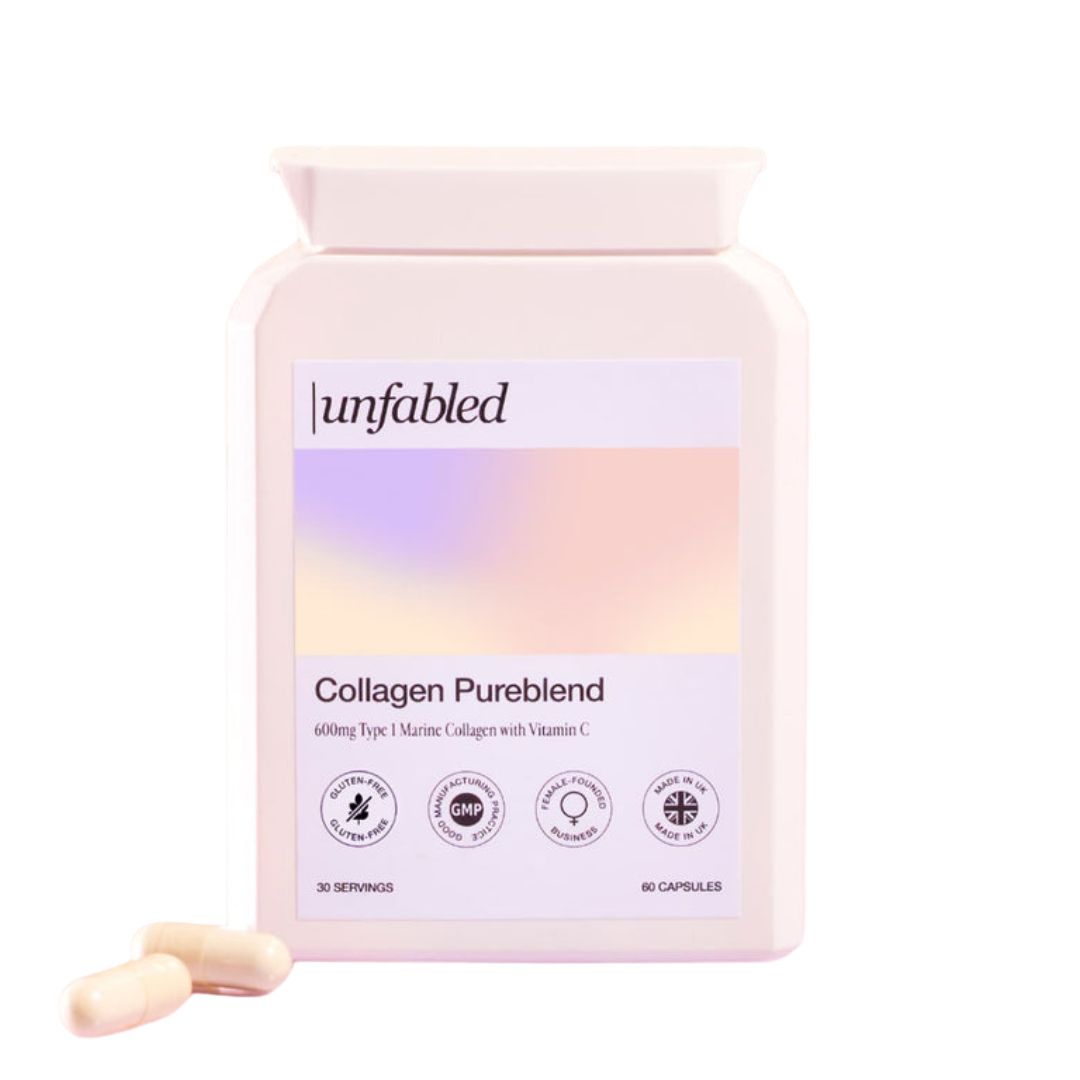
(Image credit: Unfabled)
Unfabled Collagen Pureblend
Best for on the go
Specifications
Type of supplement: Capsules
Key ingredients: Hydrolysed marine collagen, vitamin C
If you’re in the market for a collagen-based supplement to boost your hair health, I’m a huge fan of the Unfabled Collagen Pureblend capsules and Collagen gummies. The capsules come in a slim, compact case which is perfect for slipping into your handbag (because I don’t know about you, but if I have my supplements with me on the go, I’m much less likely to forget to take them). Not only are these supplements travel-friendly, they’re also pretty affordable, plus they contain Type 1 Hydrolysed Marine Collagen – the most absorbent collagen out there – and vitamin C to boost your body’s natural collagen production.
5. Hairburst Advanced+ Hair Formula
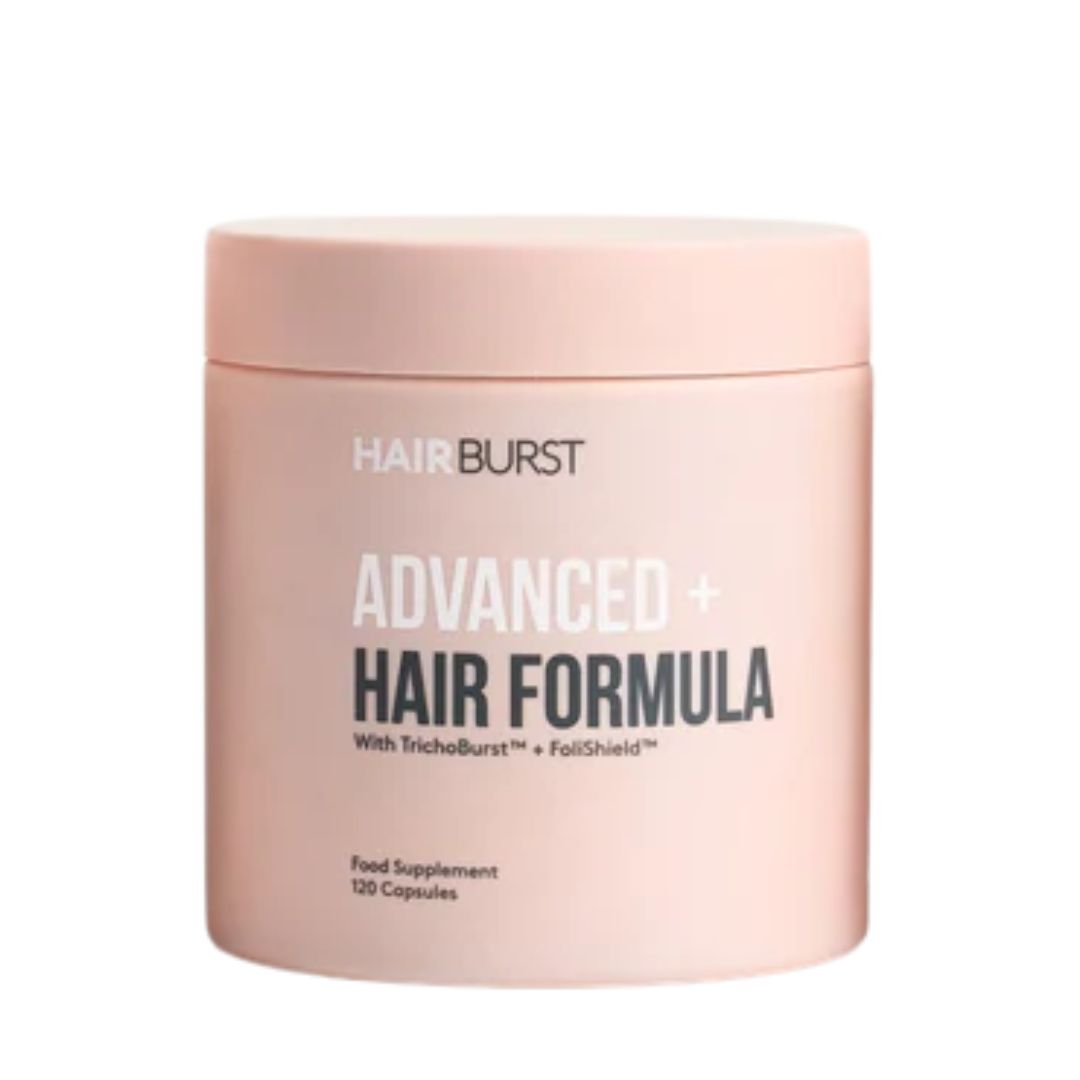
(Image credit: Hairburst)
Hairburst Advanced+ Hair Formula
Best for thicker hair
Specifications
Type of supplement: Capsules
Key ingredients: MSM, amino acid blend and astaxanthin
If your goal is to boost your hair’s thickness, Hairburst’s Advanced+ Hair Formula helps to balance hormonal shifts that can impact density and growth. My favourite thing about this supplement, though, is that it also aims to alleviate stress levels to help minimise stress-related shedding. Those of us who have experienced it ourselves will know that stress is often the cause and effect of hair loss, so I’m a huge fan of the fact that this supports sleep, mood and overall wellbeing as well as targeting hair density and scalp health.
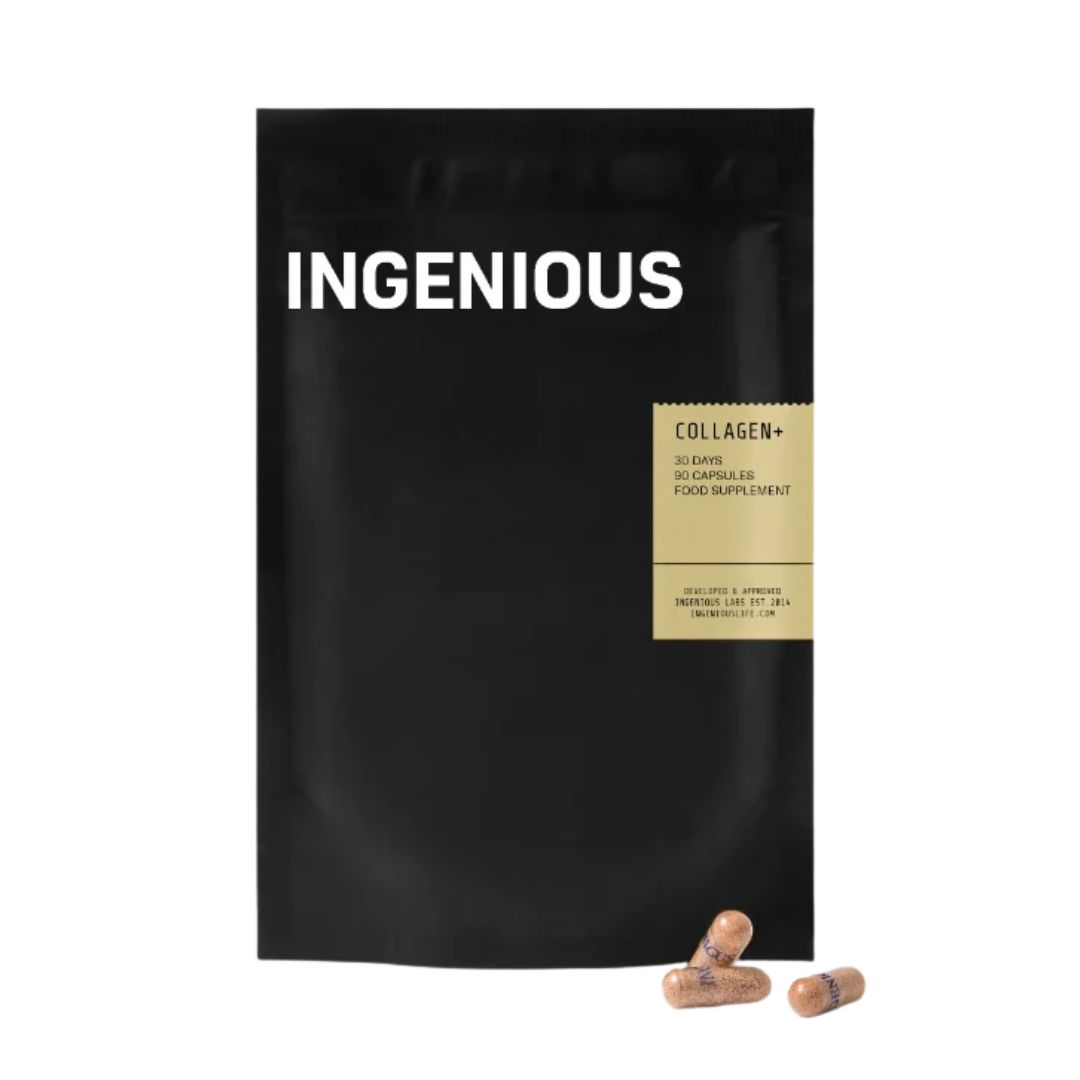
(Image credit: INGENIOUS)
INGENIOUS Collagen+
Best for hair, skin and nails
Specifications
Type of supplement: Capsules
Key ingredients: Hydrolysed marine collaged peptides, hyaluronic acid, astaxanthin
Ever felt like your supplements aren’t having the effect you’re after, even though you take them day in, day out? It might be down to the product’s bioavailability. INGENIOUS’ Collagen + contains collagen peptides which are specifically engineered to reach your small intestine, where it can be most effectively absorbed into your body. Healthier hair, skin and nails, here you come!
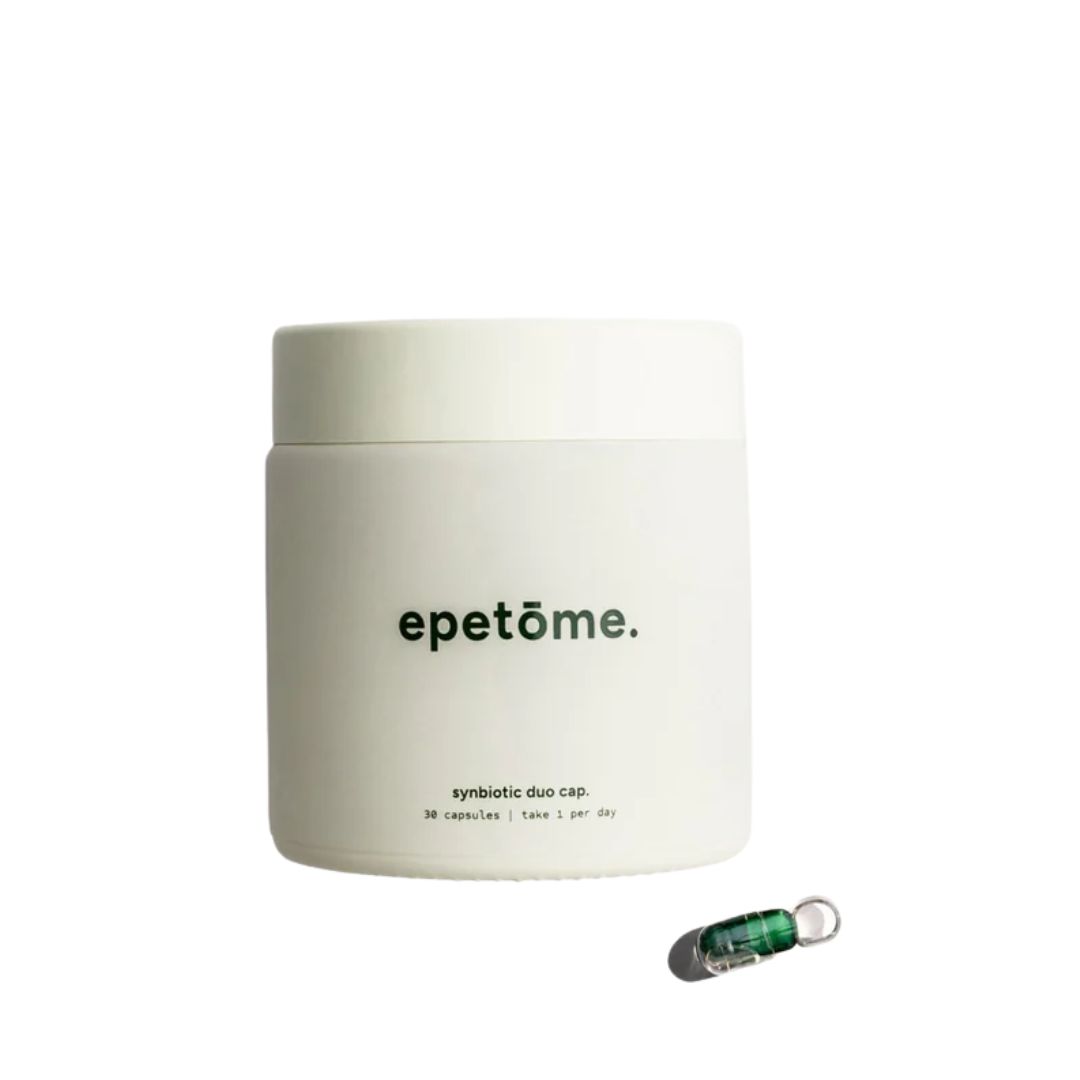
(Image credit: Epetome)
Epetome synbiotic duo cap.
Best for gut health
Specifications
Type of supplement: Capsules
Key ingredients: 11 clinically trialled bacterial strains, FOS fibre, vitamin D, zinc and biotin
“I always recommend starting with food first and addressing any underlying deficiencies with a healthcare professional. If someone is experiencing hair thinning or loss, evidence-based topical treatments such as minoxidil should be considered alongside lifestyle factors like nutrition, stress and sleep.”
“From a more holistic perspective, supporting gut health may be helpful. A high-quality gut health supplement, such as Epetōme, is not designed as a hair supplement, but by supporting digestion and nutrient absorption, it can play a small supportive role in overall hair, skin and general health.” – Emily English, Nutritionist and Founder of Epetome
Can hair thinning caused by bleaching and heat damage be reversed?
What about thinning caused by years of heat and other damage to your hair? Nadia Hussain, Hair Stylist and founder of Hair Loving weighs in: “years of over-processing, tight hairstyles and heat, can damage the hair and cause breakage that looks like thinning. Healthy hair growth starts at the scalp. When circulation is reduced, or follicles become inflamed or congested, it can cause the hair growth cycle to shorten, resulting in finer strands and increased shedding.”
“Hair thinning can be reversed depending on the cause and the timing,” she continues, “if the hair follicles aren’t permanently damaged, thinning hair can often be improved, especially if the problem is addressed early by taking care of your scalp. If inflammation is reduced, and blood flow is stimulated, this can help ‘wake up’ follicles making sure they don’t become fully dormant. Using hair strengthening products and gentle styling can help to reduce breakage and create the appearance of fuller hair quickly, however long-term density comes from consistent scalp care, stress management and nutrition. Even when full reversal isn’t possible, you can almost always slow thinning, improve thickness and overall hair quality.”
What hair treatments are actually backed by research?
English states: “when we are talking about proven hair regrowth, particularly for pattern hair loss, topical treatments like minoxidil, such as Regaine, have the strongest body of evidence. Minoxidil works directly on the hair follicle by helping to prolong the growth phase of the hair cycle and improve hair density. It is one of the few over-the-counter treatments that has consistently shown benefits in clinical studies.”
“Low-dose oral minoxidil is also increasingly prescribed off-label under medical supervision and can be effective, but it is still a medication rather than a supplement and is not suitable for everyone. This is why topical treatments are such an important part of the conversation, as they act directly on the scalp and hair follicle in a way that supplements cannot.”