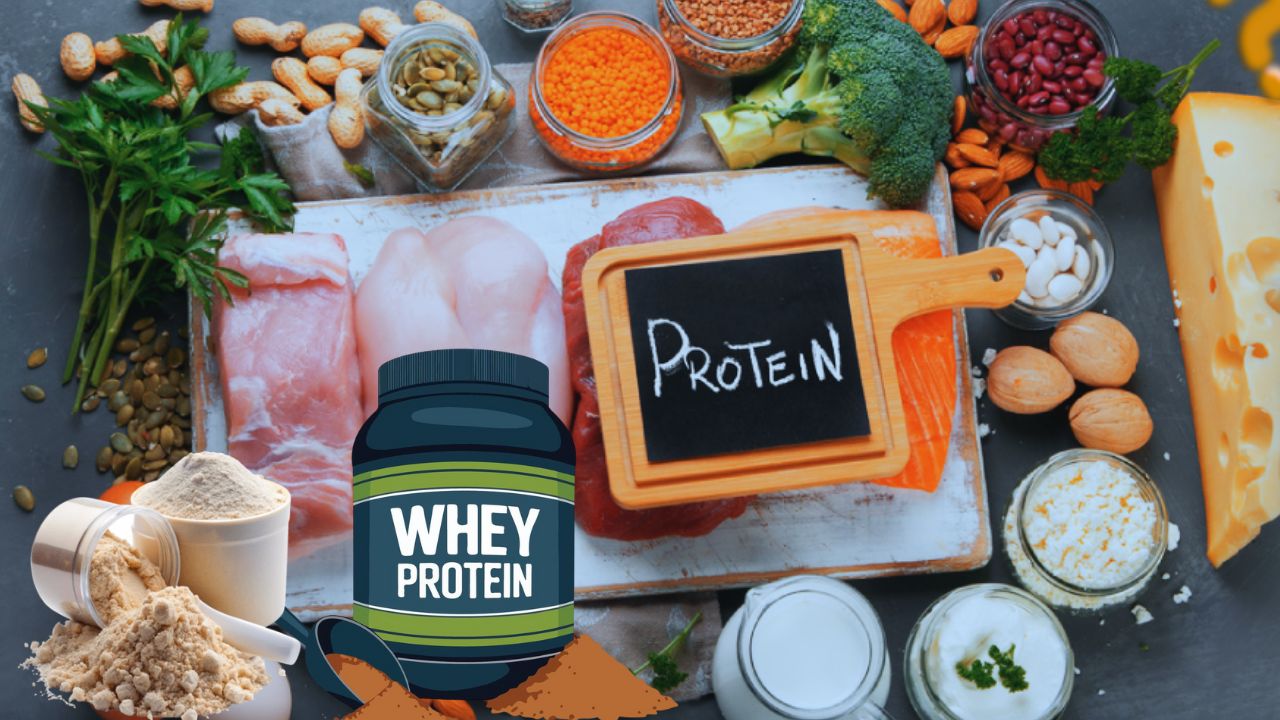
Protein has become a dominant theme in India’s fitness and wellness space, featuring in post-workout shakes, packaged foods, and influencer-driven diet advice. While traditional Indian diets are largely carbohydrate-heavy, rising concern about protein deficiency has pushed many towards supplements and high-protein meals — often without clarity on safe limits.
Doctors caution that indiscriminate protein consumption can be counterproductive. The key, they say, lies in choosing the right sources and quantities based on individual needs, rather than blindly increasing intake. This episode of Second Opinion examines how much protein is enough, when supplements are useful, and where excess intake becomes harmful.
Also read: Sudan dye contamination in Indian chilli and turmeric: What consumers need to know
Health experts underline that protein is essential for the body, but excess intake does not offer additional benefits and can create long-term health risks.
Recommended intake
Protein needs vary depending on body weight and activity levels. Health authorities such as the World Health Organisation and the Indian Council of Medical Research recommend about 0.83 grams of protein per kilogram of body weight per day for healthy adults.
This means a person weighing 60 kilograms (kg) requires roughly 50 grams of protein daily. Intake may increase up to two grams per kg for athletes or those with intense physical activity, but only under medical guidance.
Proteins are vital for tissue repair, muscle growth, enzyme and hormone production, and immune function. However, traditional Indian diets often underrepresent protein sources, leading to both deficiency and, increasingly, overconsumption.
Supplements and quality
When dietary protein is insufficient, supplements may help bridge the gap, but doctors stress that whole foods should remain the primary source. Supplements should only be used to address specific deficiencies and ideally after consulting a doctor.
Also read: Are earphones driving irreversible hearing loss among India’s youth? | Second Opinion
Whey protein is widely consumed, but experts point out that problems often arise from poor quality or adulterated products, not whey protein itself. Choosing reputable products and avoiding unnecessary stacking of supplements is essential to prevent overload.
Doctors emphasise that supplements are tools to fill gaps, not substitutes for balanced meals.
Upper limits
Consuming more than two grams of protein per kg of body weight regularly — especially from red or processed meats cooked in unhealthy oils — can strain the body over time. For most adults, total protein intake from all sources should ideally remain within 100-150 grams per day.
Dr Venkat Subramaniam D, senior urologist at AINU Chennai, said, “This protein can come from both dietary sources as well as from supplements. Consuming protein based on a requirement certainly does not cause any kidney damage.”
However, he warns that risks arise when intake exceeds requirements or, hydration and fibre intake are inadequate.
Kidney risks
Dr Venkat also noted that undiagnosed kidney disease or inadequate fluid intake can make high-protein diets harmful over time.
“If you have an underlying kidney condition or if you don’t consume enough fibre or fluids, it can cause kidney damage or form kidney stones over the long term.”
He advises people on high-protein diets to consume 2-3 litres of water daily and undergo periodic urine tests, blood tests, and ultrasound scans to monitor kidney health.
Also read: When antibiotics fail: Why common infections are turning fatal | Second Opinion
“Consume your proteins judiciously. Get your periodic blood and ultrasound tests done to ensure your kidneys are safe.”
Short-term high-protein intake may not cause harm in healthy individuals, but long-term excess can worsen kidney health, especially among those with diabetes or hypertension.
Heart health concerns
Excessive protein intake — particularly from processed sources — also affects cardiovascular health. Many supplements and protein-rich foods come bundled with added fats, sugars, and carbohydrates, increasing the risk of calorie surplus and weight gain.
Dr Balamurugan, interventional cardiologist at SRM Prime Hospital, Chennai, warned, “When they are taken in large quantities, they cause vessel inflammation, atherosclerosis, and cardiovascular diseases.”
He added that heavy reliance on protein supplements often displaces fibre-rich foods such as fruits, vegetables, and whole grains, which are essential for heart health.
Long-term effects
Dr Balamurugan noted that while short-term high-protein intake may not cause immediate harm, long-term excess intake can worsen existing medical conditions.
Also read: Silent crisis of men’s mental health and the need to break stigma | Second Opinion
“Especially if you have diabetes, high blood pressure, or pre-existing kidney disease, high protein intake can worsen kidney diseases and increase the risk of kidney stones.”
Doctors reiterate that protein is essential, but its excess intake does not translate into added benefit.
Balanced choices
Dr Anusha Gopi, general medicine consultant at Meenakshi Mission Hospital, Madurai, stressed moderation and source selection.
“Having a healthy protein diet is definitely beneficial around one gram per kilogram body weight, but excess intake — especially supplements and processed animal proteins — has side effects,” she said.
According to her, while excessive protein increases urea, uric acid, and calcium excretion, raising the risk of renal stones, processed meats can elevate LDL cholesterol and inflammation.
“This is not to worry you, but to keep you aware of the side effects of supplements and high-protein diets.”
Practical guidance
Doctors recommend prioritising plant-based protein sources, adequate hydration, and balanced meals. Lean animal proteins can be included in moderation, while processed meats should be avoided.
Also read: Why you should worry about childhood obesity
Cooking methods also matter. Boiling, grilling, barbecuing, or adding proteins to salads is preferable to deep frying, which increases unhealthy fat intake.
“Protein is a powerhouse for fitness and health when chosen wisely,” the discussion concludes, emphasising that supplements should address gaps — not become defaults.
The content above has been transcribed from video using a fine-tuned AI model. To ensure accuracy, quality, and editorial integrity, we employ a Human-In-The-Loop (HITL) process. While AI assists in creating the initial draft, our experienced editorial team carefully reviews, edits, and refines the content before publication. At The Federal, we combine the efficiency of AI with the expertise of human editors to deliver reliable and insightful journalism.