A deficiency in vitamin D has been associated with fertility issues in both men and women. It plays a crucial role in several aspects of reproduction, from regulating hormones in a woman, such as estrogen and progesterone, to healthy ovulation, implantation, and even sperm quality.
Urban lifestyles, limited sun exposure, pollution, and dietary patterns have made Vitamin D deficiency alarmingly common, especially in young couples planning a pregnancy.
Low levels of Vitamin D in women may affect ovarian reserve, egg quality, and even endometrial receptivity-the ability of the uterus to support implantation. It has also been suggested that women with PCOS and Vitamin D deficiency are at increased risk for irregular cycles and ovulatory dysfunction.
Add Zee News as a Preferred Source
This can weaken testosterone levels, sperm motility, and morphology in men, thereby reducing the chances of conception. Dr Asha Dalal, Director, Obstetrics & Gynaecology, Sir HN Reliance Foundation Hospital shares why vitamin D deficiency so common among couples struggling to conceive.
Vitamin D is more of a hormone than it is a vitamin. It regulates the expression of genes in both reproductive and immune pathways, which are highly relevant to successful conception and pregnancy.
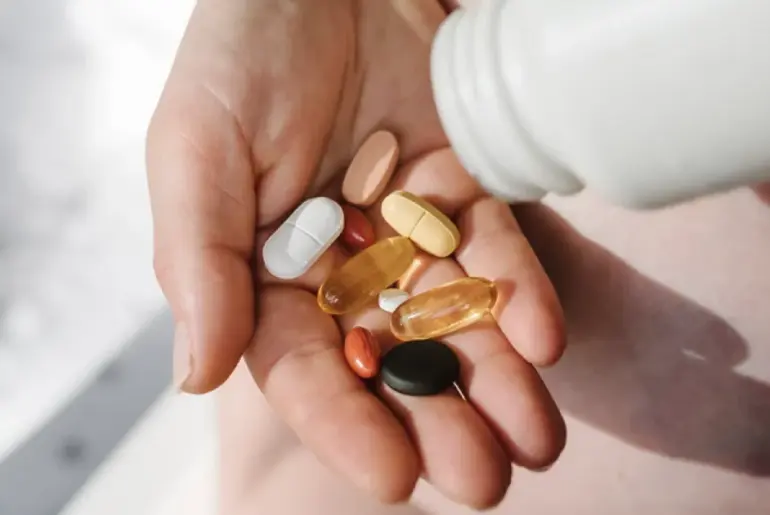
Simple lifestyle modifications, like moderate sunlight exposure, dietary intake of food rich in Vitamin D such as fortified milk, eggs, and fish, and supplementation if prescribed, can significantly improve reproductive outcomes.
Ensuring that no insufficiency or deficiency of Vitamin D occurs is a step toward better fertility and the supporting of healthy pregnancy and fetal development.
Dr Rakhee Sahu, Associate Director- Gynecologist & Obstetrician, Dr L H Hiranandani Hospital, Mumbai further adds, “Vitamin D is a fat-soluble vitamin that plays an essential role in calcium absorption from the gut and in enabling normal mineralization of bone. Vitamin D also has an important role in the entire process of reproduction, starting from reproductive organ function and involving modern assisted reproductive technologies like IVF.”
Vitamin D deficiency has been found to be common in infertile couples, as it is associated with hormonal imbalances, conditions related to PCOS and endometriosis, and poor sperm quality.
The deficiency is believed to adversely affect ovulation, fertilization, and sperm function. Vitamin D is found to be present in reproductive tissues like the ovaries, testes, and uterus.
Vitamin D deficiency in women is linked to hormonal dysregulation that disturbs ovulation. It is a common risk factor for PCOS – Polycystic Ovary Syndrome, one of the leading causes of infertility among women.
Poor egg quality and irregular follicle development are related to a lack of vitamin D. Vitamin D is implicated in Implantation, placental, and endometrial development.
Poor sperm count, motility, and morphology are associated with low vitamin D levels in men. It is believed that the effect of the vitamin would be on sperm function, probably by affecting calcium homeostasis vital for sperm maturation. A deficiency in Vit D might impinge on the production of testosterone hormones essential for sperm development.
In fact, several studies have indicated an association of higher levels of vitamin D with good success rates of IVF independent of age and BMI among the childless couples. Other factors contributing to Vit D deficiency are as follows : limited sun exposure, Dietary insufficiency, long indoor stay, Asian darker skin color, air pollution, lack of physical exercises and restrictive clothing practices. All the above factors prevent Vit D absorption and synthesis.
There is an increasing awareness of the critical function of vitamin D in human reproduction. Vitamin D receptors and 1 α-hydroxylase are expressed throughout the female reproductive tract, and vitamin D is recognized to regulate genes responsible for aspects of ovarian, endometrial, and placental function.
Metabolic features of PCOS and vitamin D deficiency have strong associations with obesity and insulin resistance. PCOS is associated with infertility and is an increasingly prevalent disorder, affecting 4%− 20% of women of reproductive age, worldwide (Deswal et al., 2020).
S Berry, 2022, cited in ScenceDirect.com that Vitamin D deficiency is associated with female infertility through impaired ovulatory function due to dysregulated follicle development.
Vitamin D deficiency is common among infertile men because it negatively influences several aspects of male fertility. Vitamin D receptors are present in the testes and sperm cells, and vitamin D has a direct effect on the process of maturation and functioning of the sperm cells.
Vitamin D is directly related to improved motility of spermatozoa. It takes part in the production of ATP within the mitochondria and increases intracellular calcium inside the sperm, which is essential for motility. Low vitamin D is often coupled with low levels of testosterone, known to further decrease sperm production.
Vitamin D is an active regulator of gene expression within the endometrium, thus enhancing uterine receptivity and the chances for successful implantation. Women with higher vitamin D levels are found to have better IVF outcomes, probably due to better endometrial health.
(This article is based on information available in the public domain and on input provided by experts consulted.)