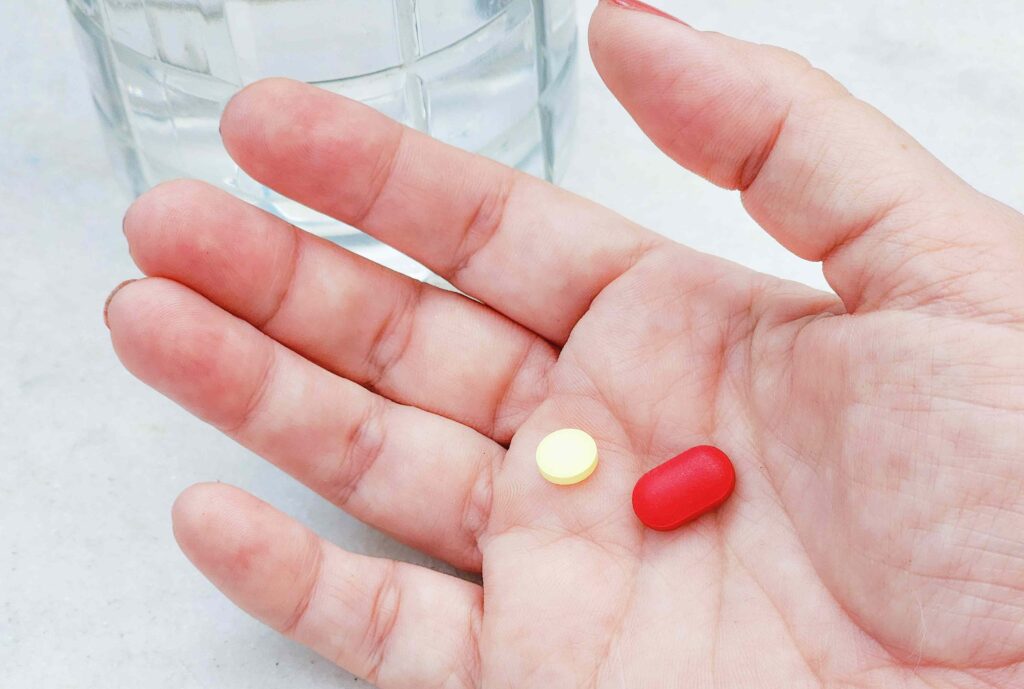
Magnesium and vitamin D are both important for keeping your body healthy and are generally safe to take together. They both help with bone health, mental health, and heart and blood vessel (cardiovascular) health.
Vitamin D acts as a multifunctional hormone affecting your immune system, the creation of hormones and proteins, and overall cell health.
Magnesium plays a role in hundreds of cellular processes throughout your entire body. It is necessary for cell growth, muscle function, and energy, just to name a few.
Vitamin D and magnesium need each other to work properly:
Vitamin D helps your body absorb magnesium, and without enough vitamin D, the absorption of magnesium is reduced.Magnesium helps with the creation and use of vitamin D in the body.All enzymes that help with the breakdown of vitamin D require magnesium in some way.
The recommended dietary allowance for magnesium in adults ranges from 310 to 420 milligrams. For vitamin D, the recommended daily allowance in adults ranges from 15 to 20 micrograms (600 to 800 International Units).
Taking large doses of vitamin D can affect magnesium:
A high vitamin D level can actually lower your magnesium levels:
If your vitamin D level is at the upper end, approximately 50 nanograms per milliliter (ng/mL), taking magnesium may lower your vitamin D level.
A vitamin D level around 20 ng/mL is generally considered enough for bone and overall health.
Vitamin D levels over 50 ng/mL raise your risk for side effects.
Magnesium and vitamin D are both necessary for healthy and strong bones:
Vitamin D helps with calcium, magnesium, and phosphate absorption. Each of these is required for healthy bones. Vitamin D also supports muscle health and strength, which are linked to bone health and the risk of falls and fractures.
Nearly 30% of the magnesium found in your body can be found in your bones. Magnesium plays an important role in the breakdown and formation of bone. Many studies have found that high magnesium levels are associated with a lower risk of fractures and improved bone strength.
In older adults, both vitamin D and magnesium are known to lower the chance of bone fractures.
Vitamin D and magnesium can also keep your heart and blood vessels healthy:
Vitamin D helps you use glucose (sugar) for energy and helps to regulate your insulin level. High glucose and insulin resistance can lead to diabetes and raise your risk for other cardiovascular conditions.
Low vitamin D levels negatively affect the structure of the heart and how well it works.
Magnesium helps with the opening of your arteries (vasodilation), helps your heart beat normally, improves how insulin and glucose are used in the body, and how your blood clots around an injury. Some studies have also found that magnesium can help lower blood pressure, though not significantly.
Low magnesium levels increase your risk for heart and blood vessel disease, including a heart rate that is too fast and high blood pressure. Low magnesium levels have also been linked to obesity, diabetes, and other inflammatory conditions.
Many studies have found that magnesium and vitamin D may also help with mental health and mood.
Magnesium may have a positive effect on anxiety and depression symptoms, while others show that it has no real effect on depression or anxiety.
Vitamin D is produced in the skin by exposure to sunlight, and improved mood in sunlight may be related to this vitamin D production. Vitamin D also has some activity in the brain. It may improve anxiety and depression. High levels of vitamin D are linked to a lower likelihood of depression symptoms.
Taking both vitamin D and magnesium has been associated with a lower risk of Alzheimer’s disease in older adults.
More research is needed to understand the role both supplements can play in the prevention and treatment of mood disorders.
You can raise your levels of vitamin D and magnesium without supplements:
Vitamin D is naturally made in your body through direct exposure to sunlight. Foods like eggs, dairy, and oily fish (like trout and salmon) also have small amounts of vitamin D.
Magnesium can naturally be found in green vegetables, nuts, and seeds. About 40% of magnesium consumed through your diet is absorbed by your body.
If you are interested in taking magnesium or vitamin D, talk with a healthcare provider. They can help you decide if the supplements would be useful for you and the recommended doses you should take. Your healthcare provider will likely order labs to check your magnesium and vitamin D levels before recommending a supplement.