The best type of protein for building muscle contains all essential amino acids from either animals or plants. Whether you are trying to gain muscle or stay strong as you age, the type of protein matters—but not as much as the total amount you get each day.
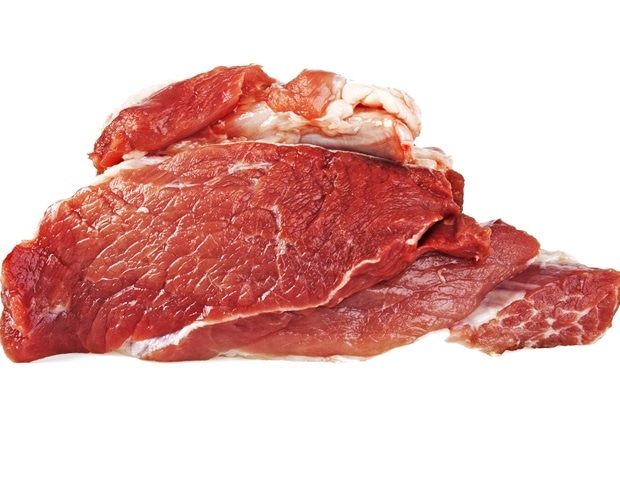
Animal proteins—such as meat, fish, dairy, eggs, whey, and casein—are highly effective for muscle growth. They are complete proteins, meaning they contain all nine essential amino acids. They also offer higher levels of leucine, important for protein synthesis.
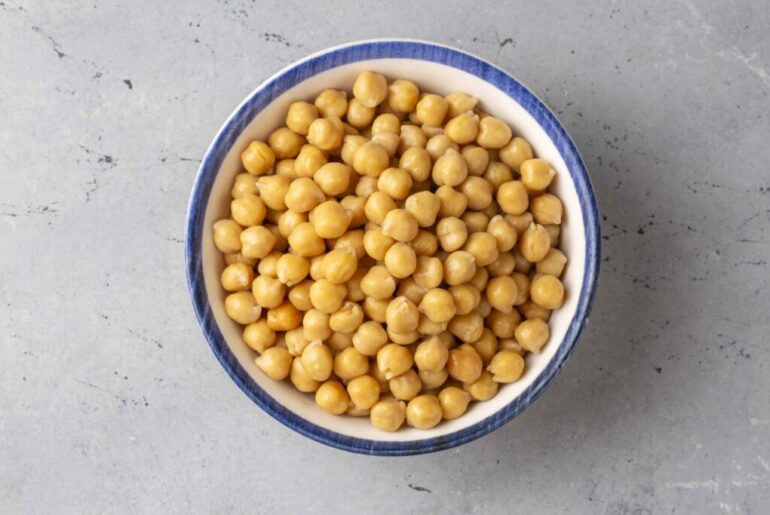
Plant proteins—such as legumes, most nuts and seeds, brown rice, and oats—are mainly incomplete proteins. They lack some essential amino acids and are lower in leucine.
This does not mean plant proteins are useless for muscle growth. You may need more of them, in various types, to get the benefits.
Plant proteins can still help build muscle, but you might need to be a little more strategic with how you use them.
“Plant proteins can still support muscle growth, but often need larger doses or the combination of complementary sources to match animal proteins,” Stuart M. Phillips, PhD, professor of kinesiology and director of the Physical Activity Centre of Excellence at McMaster University, told Health.
Some complete plant-based proteins can fortify a vegan or vegetarian diet, such as:
Soy productsQuinoaChia seedsHemp seeds
Plant-based protein blends—which make them complete proteins with enough leucine—can yield similar results for muscle growth compared to animal proteins.
If you are a vegan or vegetarian, you can optimize your diet to help build muscle by:
Combining incomplete proteins like whole grains and legumes, whole grains and nuts/seeds, or legumes and nuts/seeds.
Eating as many complete plant-based proteins as you can.
Setting a higher daily protein goal to meet your daily requirement.
Your muscles need protein to grow. This is through a process called muscle protein synthesis (MPS).
“Muscle protein synthesis supports maintaining lean body mass, adapting to exercise, recovering from injury, and preventing muscle loss as you age,” Jessica G. Anderson, MS, RDN, board-certified specialist in sports dietetics, told Health.
When you eat protein, your body breaks it down to repair and rebuild muscle tissue.
Protein needs vary based on age, sex, and personal goals. Your daily protein requirement may include:
General adults: People 18 and older need 0.8 grams of protein per kilogram of body weight each day. This is the minimum for health and does not account for physical activity.Older adults: People 65 and older should get 1.0-1.2 grams of protein per kilogram of body weight a day to prevent muscle loss due to aging.Athletes: Active people need 1.4–2.0 grams of protein per kilogram of body weight daily to help with muscle recovery and growth from training.
For more personalized guidance, consult a registered dietitian or doctor who can tailor protein needs to your goals.