Walk down any supplement aisle and you’ll see countless products promising thicker hair, glowing skin, and stronger nails. From collagen powders to “beauty blends,” the marketing is convincing—but experts say many of these supplements don’t deliver the results they claim and may even backfire when taken incorrectly.
According to nutrition and health professionals, the issue isn’t always the ingredient itself—it’s whether your body actually needs it, can absorb it properly, or is being pushed into excess. Here are three common hair, skin, and nails supplements experts say are often unnecessary, ineffective, or not worth the hype.

Struggling With Sleep? This Rechargeable Sound Machine Is A Total Game-Changer
Shutterstock
Hair: Zinc
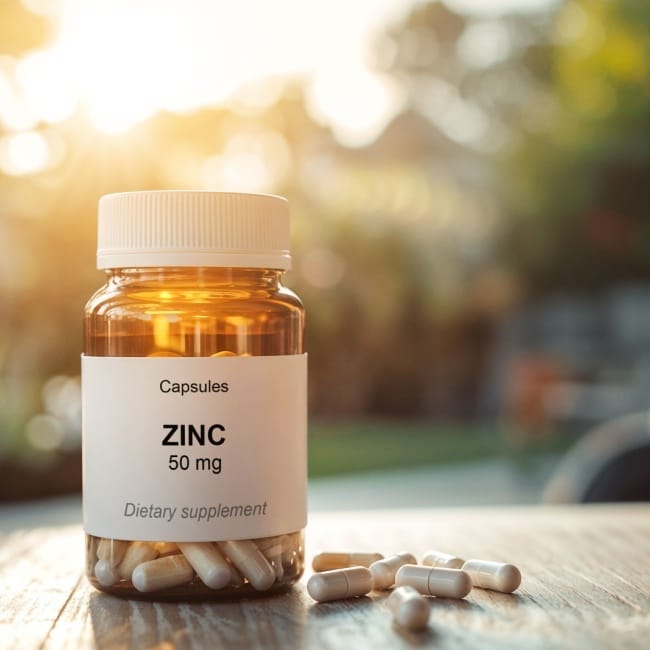
Zinc is frequently marketed as a must-have nutrient for hair growth, and while it is essential, supplementation isn’t always beneficial—especially when taken in excess.
“Zinc plays an important role in immune response, tissue growth and repair (including hair follicle function), and neurotransmission among other processes,” says NASM-certified nutrition coach Leilani Rose. “However, issues can occur when it’s consistently consumed in large amounts (more than 40 mg/day for adults). High amounts of zinc can inhibit copper absorption. Copper helps your body with energy production, maintaining connective tissue, and nervous system health. Copper deficiency may cause hair loss, fatigue, or brain fog later on. This is definitely something to consider if you take multiple supplements with zinc and aren’t tracking your overall consumption.”
In other words, taking zinc “just in case” can actually contribute to the very hair thinning you’re trying to prevent.

Shutterstock
Skin: Vitamin B12
Vitamin B12 is essential for energy and neurological health, but more isn’t always better—especially when it comes to skin. Excess or imbalanced levels of B12 can disrupt the skin’s microbiome, leading to sensitivity and hydration issues.
“Research out of UCLA finds that those who take vitamin B12 supplements can have acne or increased acne,” neuroscientist Robert Love reveals. “I don’t recommend B12 supplements; instead, take a whole B complex.”
Love says this approach is healthier for the brain and body and may even be better for skin overall. As always, it’s important to consult a healthcare provider before starting or adjusting B12 intake to ensure it aligns with your individual needs.
Shutterstock
Nails: Collagen Pills
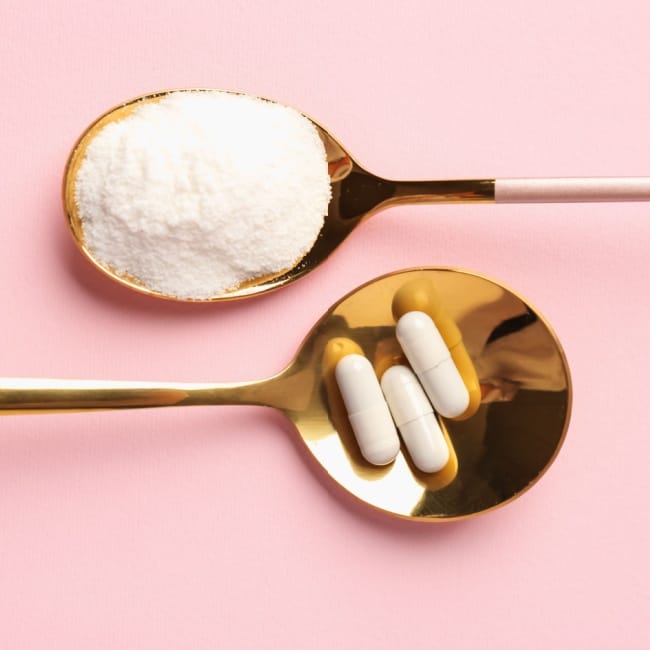
Collagen supplements are often touted as a miracle fix for brittle nails, but experts say the evidence doesn’t quite live up to the hype. When you consume collagen, your body breaks it down into amino acids—meaning it doesn’t automatically travel to your nails or turn into stronger keratin.
Without adequate vitamin C, protein intake, and overall nutrient balance, collagen pills alone are unlikely to make a noticeable difference. For many people, nail strength issues are more commonly linked to dehydration, iron deficiency, thyroid imbalances, or frequent exposure to water and chemicals—not a lack of collagen. Dermatologists often recommend focusing on a well-rounded diet with sufficient protein, biotin from food sources, and minerals like zinc and iron when deficient, rather than relying on standalone collagen supplements.
The Bottom Line
When it comes to beauty supplements, more isn’t better—and trendy doesn’t mean effective. Hair, skin, and nails thrive on balance, not excess.
Experts agree the smartest approach is to address deficiencies with targeted guidance, prioritize whole foods, and avoid megadoses of supplements that may do more harm than good. If you’re considering adding (or cutting) supplements from your routine, a simple blood test and a conversation with a healthcare provider can save you money—and your hair, skin, and nails—in the long run.