
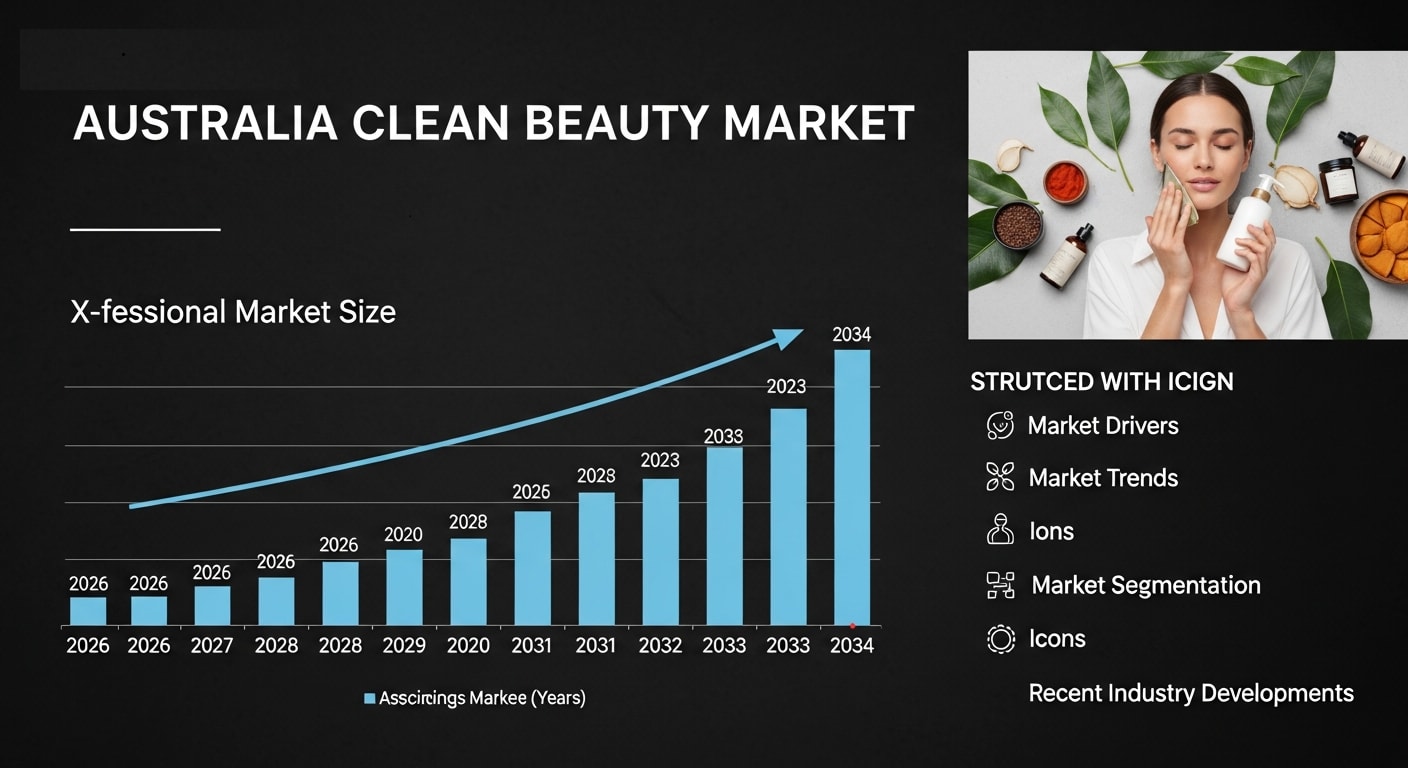
The Australia clean beauty market is emerging as one of the most dynamic segments within the broader personal care landscape, driven by shifting consumer values and heightened scrutiny of product ingredients. According to the latest IMARC Group research, the market reached USD 269.0 million in 2025 and is forecast to surge to USD 1,067.5 million by 2034, expanding at a robust CAGR of 16.55% from 2026 to 2034.
This remarkable growth reflects a fundamental shift in consumer preferences: modern buyers in Australia increasingly prioritise formulations that are transparent, natural, and free from synthetic or potentially harmful chemicals. This trend is reshaping product portfolios, retail strategies, and marketing narratives across the beauty industry, positioning “clean” beauty not just as a niche but as a mainstream force.
Request a Sample Report with Latest 2026 Data & Forecasts:
Why the Market Is Growing So Rapidly
1. Increasing Ingredient Awareness and Safety Concerns
Australian consumers today are far more informed and conscientious about what they put on their skin. There’s a growing trend of scrutinising labels, questioning long-term effects of ingredients like parabens, sulfates, and phthalates, and demanding formulations perceived as purer or safer. This heightened awareness is prompting both established brands and emerging innovators to reformulate products to meet clean standards or clearly communicate the absence of controversial components.
2. Sustainability and Ethical Consumption Taking Center Stage
Beyond individual health, environmental sustainability plays a major role in consumer decision-making. Many Australians now evaluate a product’s entire lifecycle — from sourcing practices and packaging materials to disposal impacts — before buying. This has catalysed demand for recyclable, biodegradable, cruelty-free, and vegan products. Brands embracing these ethical paradigms are enjoying competitive advantage and deeper customer loyalty.
3. Digital Influence and the Power of Social Advocacy
The rise of digital platforms has amplified beauty education and advocacy. Social media influencers, beauty bloggers, and online communities are driving conversations around ingredient transparency and ethical beauty, building trust and awareness at unprecedented speed. Consumers increasingly discover brands, validate claims, and shop via digital channels — blurring the lines between information, advocacy, and purchase behaviour.
4. E-commerce Growth and Wider Accessibility
Clean beauty products are no longer confined to boutique stores; they are widely available online, making access easier for both urban and regional consumers. With e-commerce booming across categories in Australia — predicted to achieve significant scale by 2033 — the clean beauty segment benefits from this broader digital commerce momentum.
5. Broader Cultural Shifts Toward Wellness and Natural Living
Clean beauty aligns with larger lifestyle trends gaining traction in Australia, where health, wellbeing, and natural living hold cultural resonance. Products that promise gentle, plant-based, or organic ingredients appeal to consumers seeking holistic approaches to personal care. These lifestyle undercurrents have translated into sustained demand that extends beyond age or gender demographics.
What the Opportunities Are
1. Growth in Skincare and Natural Formulations
Skincare — particularly body and face care products emphasising natural, non-toxic ingredients — represents a major opportunity. Brands focusing on recognisable botanicals, antioxidant-rich extracts, and minimalist formulations can differentiate themselves and capture consumer trust.
2. Expansion of Haircare and Colour Cosmetics with Clean Credentials
While skincare currently dominates, there’s significant runway for clean haircare and colour cosmetics to grow. These segments can appeal to consumers seeking gentle, toxin-free alternatives to conventional products.
3. Innovative Distribution Through Specialty and Online Channels
Specialty stores and online marketplaces represent fertile ground for clean beauty brands. Exclusive digital campaigns, influencer partnerships, and curated experiences can drive awareness and convert interest into purchase.
4. Regional Market Penetration Beyond Urban Hub Cities
Although urban centres often lead trends, there’s untapped potential in regional Australia as digital retail lowers barriers to access. Tailored marketing and targeted outreach can help brands build presence nationwide.
5. Sustainability-Centric Packaging and Circular Economy Initiatives
Brands investing in eco-friendly packaging — such as recycled or refillable containers — can appeal to environmentally conscious consumers and differentiate from competitors still using conventional packaging.
6. Certifications and Third-Party Validation
Independent clean, vegan, or cruelty-free certifications can enhance credibility. Partnerships with certifying bodies and transparency initiatives can build trust among discerning buyers.
7. Customised and Inclusive Product Lines
Developing products that resonate across diverse demographics — including gender-inclusive formulations — can expand market reach and create new demand pockets within the broader clean beauty space.
Recent News & Developments in Australia Clean Beauty Market
March 2025: Regulatory Momentum: The Australian Competition and Consumer Commission (ACCC) introduced updated guidelines on beauty product labelling to curb misleading “clean” claims. These standards encourage full disclosure of ingredient lists and reinforce consumer protection, ensuring that clean beauty claims are verifiable and transparent. This regulatory action is expected to bolster consumer trust and industry credibility.
June 2025: Brand Expansion: Several international clean beauty brands, including those specialising in vegan and low-chemical formulations, announced plans to enter or expand in the Australian market. These moves are supported by strategic partnerships with local distributors and e-commerce platforms, signalling confidence in long-term demand and contributing to broader category visibility.
September 2025: Market Adoption Milestone: Industry data revealed that clean beauty products accounted for a double-digit share of overall beauty sales growth for the first time in 2025. This milestone reflects both rising consumer adoption and the effectiveness of digital marketing campaigns highlighting transparency, sustainability, and ingredient safety.
Why Should You Know About the Australia Clean Beauty Market?
The Australia clean beauty market encapsulates a fundamental shift in modern consumer values. It’s not merely an aesthetic trend but a reflection of deeper demands for health, sustainability, and accountability in personal care. For investors, the sector’s compelling CAGR of 16.55% and nearly fourfold projected growth by 2034 present attractive opportunities for early entry and strategic partnerships.
For brands, the clean beauty movement offers a pathway to innovate, differentiate, and connect with loyal customers who prioritise transparency and ethics. Policymakers and advocates can find in this market a platform to champion better standards and promote sustainable practices across the beauty value chain. As Australia’s consumers continue to elevate their expectations, clean beauty stands poised to be one of the most influential segments in the decade ahead.


![W concept gift image. [Picture = W concept]](https://www.vitaminrush.com/wp-content/uploads/2026/02/1770617552_news-p.v1.20260209.cd8455a479984303a3e04388713d0c36_P1.jpg "Beauty and digital devices are highly popular amid a surge in demand for gifts ahead of the holiday ..")