Market Overview
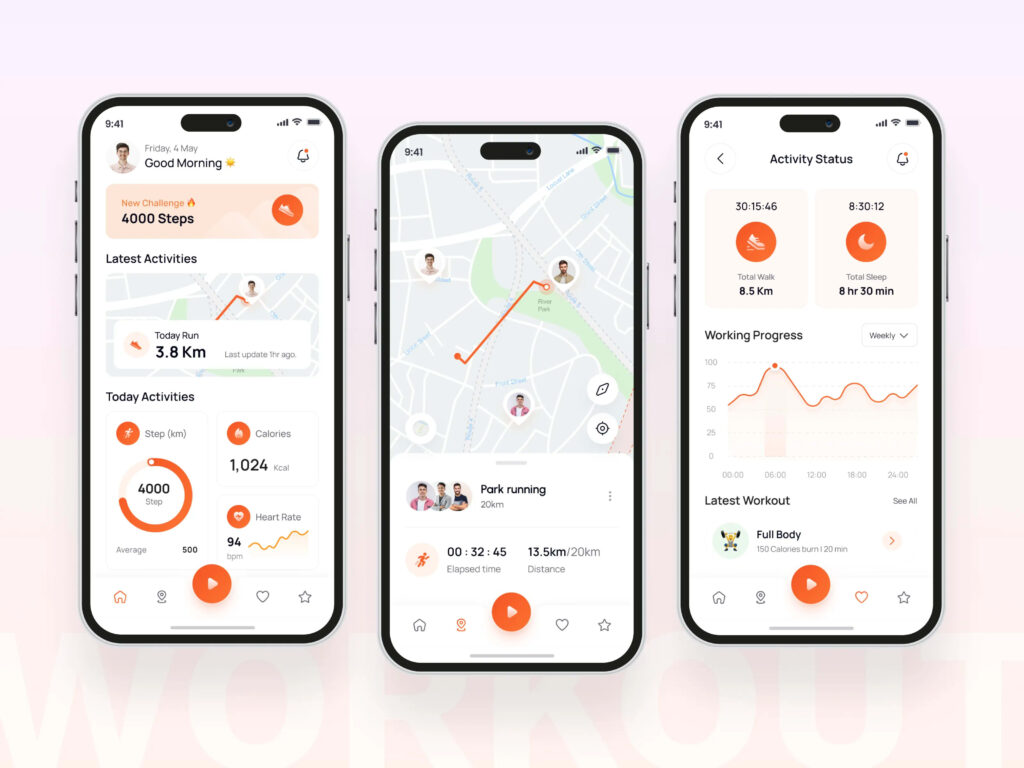
Fitness and health apps have become a vital part of Japan’s wellness landscape, empowering users to monitor activity, follow workout routines, track nutrition, and stay motivated toward health goals — all from their smartphones. With rising health awareness, increasing smartphone penetration, and a cultural shift toward preventive care, fitness apps are changing how people manage their physical well-being.
The Japan biscuits market size reached USD 6.4 billion in 2025. Looking forward, IMARC Group expects the market to reach approximately USD 9.9 billion by 2034, exhibiting a compound annual growth rate (CAGR) of 4.99% during 2026–2034, driven by strong everyday consumption, premiumization trends, expanding retail and e-commerce channels, and rising demand for value-added and health-positioned biscuit products.
Request Access to Japan Market Insights
Key Drivers Fueling Market Growth
Increasing Health Awareness Among Consumers
Japanese consumers are becoming more proactive about health and fitness, motivated by preventive care, longevity, and lifestyle diseases awareness. Fitness apps offer accessible tools for tracking workouts, monitoring progress, and setting personalized goals — making them appealing to a broad audience.
Smartphone Penetration and App Accessibility
With high smartphone adoption rates and reliable mobile networks, fitness apps have become easy to access for users across urban and regional areas. The convenience of on-demand workouts and real-time feedback supports engagement and sustained usage.
Shift Toward Remote and Home-Based Fitness
Flexible work patterns, busy schedules, and the desire for at-home exercise options have increased interest in virtual fitness solutions. Apps that provide guided workouts, live classes, and activity tracking give users freedom to stay active without needing gym memberships or fixed class schedules.
Role of Technology and Innovation
Personalized and AI-Driven Fitness Plans
Advanced fitness apps use artificial intelligence and data analytics to offer customized programs tailored to individual goals, fitness levels, and preferences. These features make workouts more relevant and engaging, encouraging long-term adherence.
Integration with Wearables and Health Platforms
Fitness apps increasingly integrate with wearable devices, smartwatches, and health data platforms to provide comprehensive tracking of steps, heart rate, sleep patterns, and calories burned. This deeper integration enhances user insight and creates a more holistic wellness experience.
Social Engagement and Gamification
Many fitness apps include social features, challenges, leaderboards, and rewards that motivate users through community support and friendly competition. These elements make fitness activities more interactive and enjoyable, boosting retention.
Japan Fitness App Industry Trends & Drivers
The appeal of fitness apps in Japan is amplified by growing interest in preventive health measures and lifestyle management. Users are turning to digital tools not only for workouts but also to manage overall wellness, including stress, sleep, and nutrition.
Innovative app features — such as live virtual classes, AI coaching, and on-demand workout libraries — are helping broaden the appeal of fitness apps across age groups and fitness levels. Convenience, flexibility, and cost efficiency continue to strengthen market demand.
Additionally, health initiatives promoting active lifestyles and government encouragement of digital health solutions are supporting app adoption as part of broader public health strategies.
Japan Fitness App Market Segmentation
Type Insight:
Exercise and weight loss Diet and Nutrition Activity Tracking others
Platform Insights:
Device Insights:
Smartphone tablet Wearable Devices
Regional Insights:
Kanto region
Kansai/Kinki region
Chubu region
Kyushu and Okinawa region
Tohoku region
Chugoku region
Hokkaido region
Shikoku region
This segmentation reflects how fitness app demand varies by user needs, usage context, and geographic distribution across Japan.
Competitive Landscape
The Japan fitness app market includes global app developers, regional fitness tech startups, and platform integrators collaborating with wearable brands and content providers. Competition is shaped by user experience, feature richness, personalization capabilities, and cross-platform compatibility.
Apps that offer seamless integration with devices, engaging content, and long-term value propositions tend to build stronger user loyalty. Partnerships with fitness studios, brands, and corporate wellness initiatives also contribute to market presence and differentiation.
Market Outlook
The Japan fitness app market is poised for sustained growth as digital health and wellness trends continue to rise. Ongoing innovation in AI, connected devices, and personalized services will expand app capabilities and attract more users.
As lifestyles evolve and wellness takes greater priority, fitness apps are expected to remain at the forefront of Japan’s health ecosystem — supporting users’ journeys toward better fitness, improved lifestyle habits, and long-term well-being.